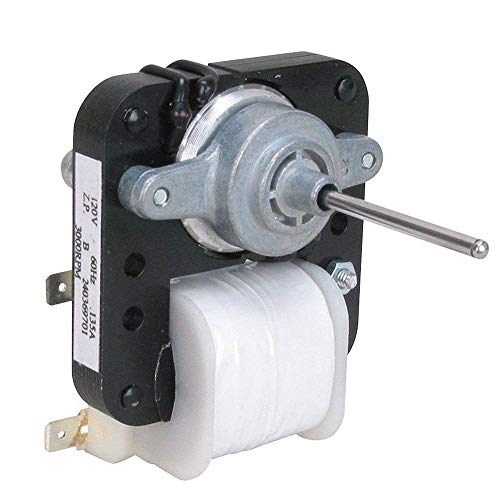
The refrigerator fan is an essential component of the refrigerator. It helps to circulate cool air throughout the refrigerator, keeping the temperature regulated and ensuring that your food stays fresh. If the fan stops working, your refrigerator may not cool properly, and your food may spoil.
Common Signs of a Malfunctioning Fan
Some signs that your refrigerator fan may be malfunctioning include:
Your refrigerator is not cooling properly
Your refrigerator is making strange noises
The fan is not spinning
The fan is spinning slowly
Troubleshooting the Refrigerator Fan
Before you start tearing apart your refrigerator to fix the fan, there are a few things you should do to troubleshoot the issue.
It is crucial to understand the importance of the refrigerator fan, as it helps to regulate the temperature and keep your food fresh. Malfunctioning fans can cause your refrigerator to not cool properly or make strange noises. Before attempting to fix the fan, check the power source and clean the blades. If the motor is the problem, follow the six steps to replace it. Maintaining your fan includes cleaning it regularly and checking for wear and tear. If you are uncomfortable working with electrical components, it is best to call a professional for help.
Replacement Part Numbers: WR60X26866 Fridge Evaporator Fan Motor for GE refrigerators, replace WR60X10356, V80E14MS2A3-57A611, AP5985039, PS11721915, WR02X13733, WR60X10341, WR60X10356, WR60X10357, WR60X24303, WR60X26030, 239D1412P006, 4546026, AP6278228, PS12172983, EAP12172983, etc.
【Latest improvements】The previous version had noise issues due to the strong fan power of WR60X26866. The current version has been resolved. The latest fan has been debugged. Without changing the efficient circulation of air. The generation of noise has been reduced. Compared to the existing fan in the refrigerator, it also has better cooling effect. Simultaneously paired with high-quality ABS material and all copper core motor. The lifespan will also be longer than the original fan.
The first thing you should do is check the power source. Make sure that your refrigerator is plugged in and that the outlet is working correctly. You can test the outlet by plugging in another appliance or device.
Clean the Fan Blades
If the fan blades are dirty or dusty, they may not spin correctly. You can clean the blades with a soft cloth or brush. Be careful not to damage the blades, as they are delicate.
Check the Fan Motor
If the fan blades are clean, but the fan still isn’t spinning, you may have a problem with the fan motor. You can check the motor by removing the back panel of your refrigerator and locating the fan motor.
Fixing the Refrigerator Fan
If you have determined that the fan motor is the problem, you can fix it yourself. Here are the steps to follow:
It’s important to understand the role of the refrigerator fan and the signs that it may be malfunctioning in order to troubleshoot the issue. Basic troubleshooting steps, such as checking the power source and cleaning the fan blades, can be done at home. However, if the fan motor needs to be replaced or you are uncomfortable working with electrical components, it’s best to call a professional. Maintaining your refrigerator fan by keeping the area clean and free of debris, cleaning the fan blades regularly, checking for signs of wear and tear on the fan motor, and using a surge protector can prevent future malfunctions.
Next, you will need to remove the back panel of your refrigerator. This will give you access to the fan motor.
Step 3: Remove the Fan Motor
Once you have removed the back panel, you can locate the fan motor. It will be attached to the back of the refrigerator with screws or clips. You will need to remove these screws or clips to remove the motor.
Step 4: Replace the Fan Motor
Step 5: Reattach the Back Panel
Once you have replaced the fan motor, you can reattach the back panel of your refrigerator. Make sure that all the screws or clips are securely in place.
Step 6: Plug in the Refrigerator
Finally, you can plug in your refrigerator and turn it on. The fan should start spinning, and your refrigerator should cool properly.
Tips for Maintaining Your Refrigerator Fan
To avoid having to replace your refrigerator fan in the future, it’s important to take proper care of it. Here are some tips to keep your fan running smoothly:
Keep the area around the refrigerator clean and free of dust and debris
Clean the fan blades regularly to prevent buildup
Check the fan motor for signs of wear and tear and replace it if necessary
Use a surge protector to protect your refrigerator from power surges
One key takeaway from this text is that the refrigerator fan is essential in regulating the temperature inside the refrigerator and preventing food spoilage. It is important to troubleshoot common signs of malfunctioning, such as strange noises, slow or non-spinning fan blades, and inefficient cooling. To fix a malfunctioning fan, you should follow the steps of unplugging the refrigerator, removing the back panel, removing and replacing the faulty fan motor, and reattaching the back panel securely. Proper maintenance of the fan includes keeping the area around the refrigerator clean, cleaning fan blades regularly, checking the fan motor for wear and tear, and protecting the refrigerator with a surge protector. If unsure on how to troubleshoot or uncomfortable working around electrical components, it is recommended to call a professional.
Superiority: You can see the words "Frequently Returned Items" on our items. This is because we provide 15 years replacement service for customers who have purchased for many...
When to Call a Professional
While fixing your refrigerator fan is a relatively simple task, there are instances where you may need to call a professional. If you are uncomfortable working with electrical components or if you are unsure of how to troubleshoot the issue, it’s best to leave it to the professionals.
FAQs for How to Fix a Refrigerator Fan
What are the signs my refrigerator fan is not working?
There are a few signs that indicate that your refrigerator fan is not working. One of them is if your fridge is not cooling properly. If your food is spoiling quickly or if you notice that your fridge is freezing your food, it could be because the fan is not circulating the cold air throughout the fridge. Other signs include hearing strange noises coming from the back of the fridge or seeing that the back panel of the freezer is covered in ice.
How do I diagnose the problem with my refrigerator fan?
To diagnose the problem, first unplug the fridge and remove any obstructions around the back of the unit. Then remove the back panel and inspect the fan blades for damage. If the blades are okay, check the motor for continuity using a multimeter. If the motor does not have continuity, it will need to be replaced.
What tools will I need to fix my refrigerator fan?
You will need a multimeter to check for continuity in the motor, a set of screwdrivers to remove the back panel, and a fan motor replacement kit if the motor is broken.
Can I fix the refrigerator fan by myself?
If you have some electrical know-how, you can fix the fan on your own. However, if you are unsure about your abilities, it is best to call a professional to avoid risk of injury or further damage to your refrigerator.
How do I replace the refrigerator fan?
To replace the fan, first unplug the fridge and remove the back panel. Then disconnect the wiring harness and remove any screws holding the fan motor in place. Replace the old fan with the new fan, secure it in place, and reattach the wiring harness. Finally, replace the back panel and plug the fridge back in.
Hi, I’m Charlie, and I cover all things laundry here at Appliance Mastery.
I’ve spent over eight years working on washing machines, dryers, and dishwashers. I also have a degree in mechanical engineering, which helps me understand how these appliances really work.
I try to make every guide clear and practical. If you’re stuck with a noisy dryer or a leaking washer, I’ll help you figure out what’s wrong and how to fix it.