
Is your Samsung ice maker giving you the cold shoulder? You’re not alone. Many people face this frustrating issue, especially when they rely on their bottom freezer for ice on hot summer days or during family gatherings.
Key Takeaways
- Common Issues: Understand that clogged water filters and faulty water inlet valves are common reasons why Samsung ice makers stop working.
- Troubleshooting Steps: Start by checking power supply, ice maker switch, and water filter status before moving to complex repairs.
- Replacing Water Filter: Regularly replace the water filter every six months to ensure efficient ice production and water flow.
- Repairing Inlet Valve: Test and replace a faulty inlet valve if there are issues with water supply to the ice maker.
- Maintenance Tips: Clean your ice maker regularly and monitor freezer temperature settings between 0°F and 5°F for optimal performance.
Common Issues With Samsung Ice Makers
Samsung ice makers can experience various issues that hinder their operation. Understanding these problems can help you troubleshoot effectively.
Recommended Products
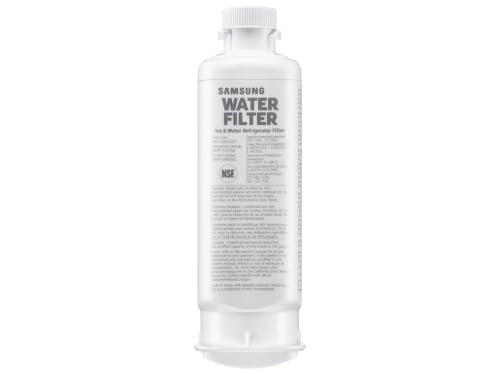
FRESH FILTERED WATER: Samsung water filters reduce contaminants, giving your family fresh tasting water
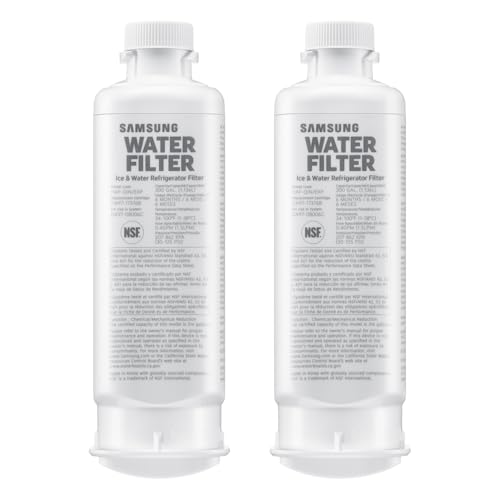
FRESH FILTERED WATER: Samsung water filters reduce contaminants, giving your family fresh tasting water; Use with your Samsung French Door or Side by Side Refrigerator

Authoritative Certifications- ICEPURE RWF0700A replacement for Samsung DA29-00020B refrigerator water filter bears major Authoritative Certifications on markets, such as NSF/ANSI 42 and NSF/ANSI/CAN 372, European Food Grade Regulations EC-1935/2016, ROHS, REACH, BPA-Free, TUV and Australian Water Mark.
Clogged Water Filter
A clogged water filter restricts water flow to the ice maker. Replacing the filter every six months or more frequently if water flow diminishes ensures consistent ice production. Check for any visible debris or blockages. If the filter appears dirty, replace it with a compatible model.
Faulty Water Inlet Valve
A faulty water inlet valve prevents water from reaching the ice maker entirely. To diagnose this, listen for a clicking sound when the ice maker attempts to draw water. If no sound occurs, test the valve for continuity using a multimeter. If the valve is not working correctly, replace it with a new one to restore water flow.
Troubleshooting Steps
Follow these troubleshooting steps to diagnose and fix your Samsung ice maker issues. Start with the simplest checks, then move to more complex solutions.
Recommended Products

[Replacement for models] Samsung DA97-17376B, DA97-08006C, HAF-QIN, HAF-QIN/EXP, GF-841, CF-17, AQF-FF45, WS645A, FL-RF45, MB-F45, RWF4200A, PP-RWF4200A-S. Please note it fits DA97-17376B (HAF-QIN), not DA29-00020B (HAF-CIN).

【Multiple uses】The AQUACREST Inline Water Filter can be used in Refrigerators, Ice Makers, Coffee Makers, Drinking Water Fountains, Water Coolers, Beverage Equipment, Sink Faucets, RV, Campers, Boats and RO System. Compatible with most refrigerator filter brands such as Samsung, GE, LG, Whirlpool, Frigidaire, and so on.
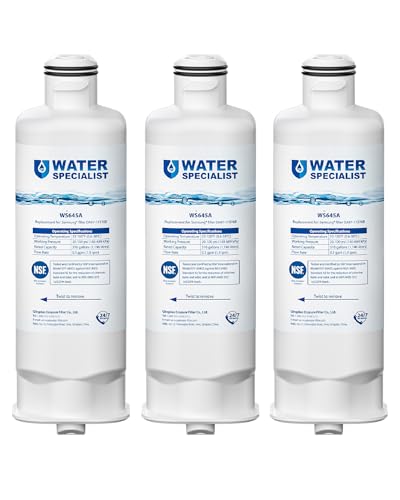
Note: This product is square, not round. Replacement for DA97-17376B (HAF-QIN), not compatible with DA29-00020B (HAF-CIN). The Waterspecialist refrigerator water filter features filtration performance is comparable to the original brand. It is also certified by authority NSF 42 and 372. Far different from generic brand, Waterspecialist only adopts superior coconut shell carbon block to improve taste and odor.
Checking Power Supply
- Verify power connection: Check if the ice maker is plugged in properly. Loose connections can lead to malfunctions.
- Inspect circuit breaker: Ensure the circuit breaker hasn’t tripped. Reset it if necessary.
- Test outlet functionality: Plug another device into the same outlet to confirm it’s working. Replace the outlet if it’s not functional.
- Check ice maker switch: Make sure the ice maker switch is in the “On” position. This can sometimes be accidentally turned off.
- Examine water filter: Look for a clogged or outdated water filter. Replace the filter every six months to maintain optimal operation.
- Inspect water inlet valve: Check if the water inlet valve is blocked or faulty. You might hear a clicking sound when the ice maker should be filling with water. If not, consider testing the valve for continuity.
- Assess ice maker module: Examine the ice maker module for any damage or misalignment. Any visible damage may require replacement.
- Check for clogs: Inspect the ice maker for ice blockages or clogs. Clear any obstructions you find, as they can prevent proper operation.
- Monitor temperature setting: Ensure the freezer temperature is set between 0°F and 5°F. Warmer temperatures can hinder ice production.
By following these steps, you can identify the cause of your Samsung ice maker’s issues and implement the necessary fixes effectively.
Solutions to Fix the Ice Maker
If your Samsung ice maker isn’t working, several straightforward solutions can restore its functionality quickly.
Recommended Products

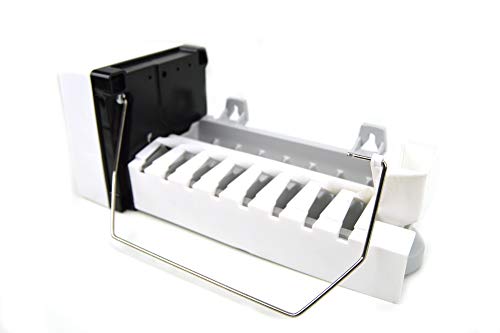
【Perfect Replacement】Our Refrigerator Ice Maker Ice Guide Shut Off Arm detects when the freezer ice bin is full and shuts off the ice maker. The ice sensing arm is 6-5/8" long. Replaces part numbers: da61-05435a, 2034029, ap4446159 and ps4144940.
IT FROM XUQCAH MATERIAL AND FOIMOJSK PARTMENT AND Thurder LOVER

Ice maker DA97-07365G is an original equipment manufacturer (OEM) part that fits some bottom-freezer refrigerators in Samsung series RF26, RF42 and RFG29.
Replacing the Water Filter
To ensure proper water flow, replace the water filter every six months or when it’s clogged. A clogged filter restricts water, affecting ice production. Follow these steps to replace the filter:
- Locate the filter, typically in the upper right corner of the refrigerator compartment.
- Turn off the water supply to the refrigerator.
- Remove the old filter by twisting it counterclockwise.
- Insert the new filter, ensuring it locks into place. Twist it clockwise to secure.
- Turn the water supply back on and run water through the new filter for several minutes to clear any air bubbles.
This simple task often resolves ice maker issues.
Repairing or Replacing the Inlet Valve
A faulty inlet valve can prevent water from reaching the ice maker, leading to no ice production. Testing and replacing the valve can ensure continuous water flow. Here’s how to handle it:
- Unplug the refrigerator to ensure safety during repairs.
- Locate the inlet valve, usually at the back of the appliance.
- Check for visible blockages or damage to the valve and its connections.
- Use a multimeter to test the valve for continuity. If there’s no continuity, replacement is necessary.
- Disconnect the old valve by removing screws and disconnecting water supply lines.
- Install the new inlet valve by connecting the water lines and securing it with screws.
- Plug the refrigerator back in and check ice production after a few hours.
Addressing the inlet valve can restore your ice maker’s performance effectively.
Maintenance Tips for Optimal Performance
Maintaining your Samsung ice maker ensures it works efficiently. Implementing the following tips can enhance its performance.
Regular Cleaning
Cleaning your ice maker regularly prevents buildup that can hinder functionality. Use a soft cloth and a mixture of warm water and mild soap. Wipe down the interior and exterior surfaces. Pay close attention to the ice bin, water reservoir, and any removable components. Rinse thoroughly to avoid soap residue. Schedule this cleaning every three months, or more frequently if you notice any debris or odors.
Monitoring Temperature Settings
Maintaining the correct temperature is crucial for optimal ice production. Set your freezer temperature between 0°F and 5°F. This range ensures the ice maker operates efficiently and prevents ice blockages. Use a thermometer to check the temperature periodically. If the freezer is not within the recommended range, adjust the thermostat and monitor the changes over the next 24 hours. Regular checks provide assurance that your ice maker functions correctly.
Conclusion
Dealing with a Samsung ice maker that won’t work can be frustrating but you’re not alone. By following the troubleshooting steps and maintenance tips outlined, you can get your ice maker back in action. Regular checks and timely replacements can make all the difference.
Remember to keep an eye on your water filter and inlet valve to prevent future issues. With a little effort, you’ll be enjoying ice-cold drinks and keeping your gatherings cool in no time. You’ve got this!
Frequently Asked Questions
What are common problems with Samsung ice makers?
Many Samsung ice makers experience issues like clogged water filters, faulty water inlet valves, ice blockages, or temperature settings that are too high. These problems can prevent the ice maker from functioning properly, especially during peak usage times like summers or family gatherings.
How do I know if my Samsung ice maker filter is clogged?
If your ice maker produces little or no ice, it may have a clogged filter. Regularly checking the filter is essential. Replace it every six months or sooner if you notice reduced ice production, ensuring that your ice maker has a steady water supply.
How can I troubleshoot my Samsung ice maker?
Start with basic checks: ensure the ice maker is switched on, verify the power connection, and check the circuit breaker. Inspect the water filter for clogs, listen for the inlet valve’s clicking sound, and monitor the freezer’s temperature. Documenting each step can help identify the issue.
When should I replace the water inlet valve?
You should replace the water inlet valve if it fails a continuity test or if you hear no clicking sound. Choose a new valve that matches your model, and follow the manufacturer’s instructions for installation to ensure proper functioning.
What maintenance is needed for my Samsung ice maker?
Regular cleaning is essential for optimal performance. Clean your ice maker every three months with warm soapy water. Additionally, monitor and adjust the freezer temperature to stay between 0°F and 5°F, as this range is crucial for effective ice production.

Hey, I’m Jake. I focus on cooling systems at Appliance Mastery, like fridges, freezers, and air conditioners.
I’ve worked in appliance repair for more than ten years and I’m certified through NASTeC. I’ve seen just about every fridge issue you can imagine.
My goal is to help you fix problems without stress. Whether it’s a freezer that won’t cool or an AC that keeps beeping, I’m here to walk you through it.