
Ever opened your dishwasher after a cycle, only to find dishes that are still dirty? Frustrating, right? You’re not alone. A poorly cleaning dishwasher can throw a wrench in your kitchen routine. But fret not, there are simple steps you can take to tackle this common issue. In this article, we’ll guide you through troubleshooting methods to get your dishwasher back in top scrubbing shape.
Check the Sprayer Arm
When your dishwasher is not cleaning well, the sprayer arm might be a culprit. Make sure the sprayer arm isn’t clogged. You can remove it and clean out any debris that may be blocking the water flow.
Here are some steps to check the sprayer arm:
- Remove the lower dishrack to access the sprayer arm.
- Inspect the holes on the sprayer arm for any blockages.
- Use a toothpick or small brush to clear any debris from the holes.
- Check the spinner for obstructions that may hinder its movement.
Regular maintenance of the sprayer arm can help improve the overall cleaning performance of your dishwasher.
Recommended Products
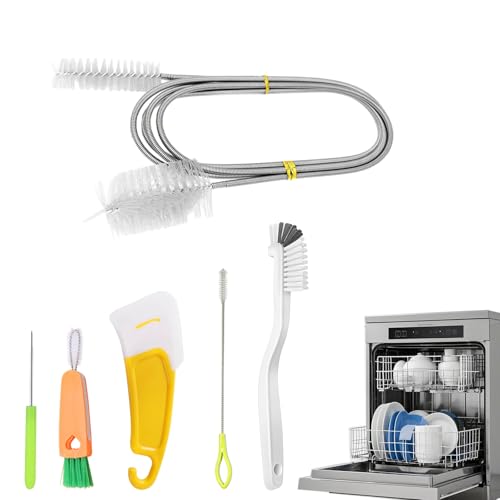
Deep Clean Every Corner Tackle hidden grime with our 6-piece brush kit! Includes a pick, silicone scraper, straw cleaner brush, gap cleaning brush, angle cleaning brush, and flexible tubes brush. Perfect for cleaning inlet/outlet pipes, water jets, and internal crevices. Removes food residue, limescale, and unclogs nozzles effortlessly.

NO LONGER HAS METAL ENDS ON TIPS THE HEAT SHIELD IS NO LONGER REQUIRED OF THIS PART

Core Functionality: This dishwasher lower spray arm is designed to effectively distribute water throughout your dishwasher, enhancing cleaning performance and ensuring dishes come out spotless with while replacing worn or broken parts
Inspect the Filters
When your dishwasher isn’t cleaning well, one common culprit could be dirty or clogged filters. To ensure optimal performance, you should regularly inspect and clean these filters. Here’s what you can do:
- Locate the Filters: Typically, there are two types of filters in dishwashers – the main filter and the fine filter. These filters are usually found near the bottom of the dishwasher and are essential for trapping food particles and debris.
- Remove and Clean: Carefully remove the filters from the dishwasher. Use a soft brush or cloth to clean them under running water. Ensure there are no remnants or buildup that could be obstructing the water flow.
- Check for Damage: While cleaning, inspect the filters for any tears or damage. If you notice any issues, it’s best to replace the filters to prevent further problems.
- Reassemble Correctly: After cleaning, make sure to reassemble the filters correctly back into the dishwasher. Proper placement is crucial for effective filtration during the wash cycle.
- Run a Test Cycle: Once the filters are back in place, run a test cycle to observe if there’s an improvement in the cleaning performance. If the dishes come out cleaner, then the filters were likely the issue.
Regular maintenance of your dishwasher filters can significantly enhance its cleaning efficiency and keep your dishes sparkling after every wash.
Verify Water Temperature
When your dishwasher is not cleaning well, one crucial factor to check is the water temperature.
Here’s what to do:
- Ensure the water temperature is at least 120°F.
- Hot water helps dissolve detergent efficiently for a thorough clean.
- If the water isn’t hot enough, adjust your water heater settings.
Remember, proper water temperature plays a key role in effective cleaning.
Recommended Products

【Endless Hot Water for Everyday Home Use】Designed for indoor whole-home performance, this propane tankless water heater delivers up to 5.1 GPM and 120,000 BTU of on-demand hot water for showers, sinks, dishwashers, and laundry appliances. Comfortably supports 2–4 fixtures simultaneously without running out of hot water.

[Instant Sink Hot Water] - 4.5kw power heating system provides on demand hot water in seconds for point-of-use applications, perfect for under / over sink faucet. Temperature range from 85°F - 131°F. 24 Hours standby. 0.26GPM-1.0GPM

➤ Instant Sink Hot Water - 4 gallons capacity, point-of-use mini tank water heater fits under your sink to provide immediate hot water right where you need it. Eliminate time for hot water. Dimensions: 18H x 12.2W x 11D inches, 2.6ft cord Plugin to use.
Use the Right Detergent
When your dishwasher isn’t cleaning well, one possible culprit could be the detergent you’re using. Here’s what you should know:
- Choose the Right Detergent: Ensure you’re using a detergent specifically designed for dishwashers.
- Avoid Too Much Detergent: Excess detergent can leave a residue on your dishes, affecting the cleaning process.
- Check the Detergent Cup: Make sure the detergent cup opens correctly during the wash cycle, allowing the detergent to be released effectively.
- Consider Detergents with Enzymes: Look for detergents with enzymes that help break down food particles for better cleaning performance.
Using the proper detergent can make a significant difference in how well your dishwasher cleans your dishes.
Recommended Products

EFFECTIVE: Our ultra-concentrated 2-in-1 powder formula is designed with the most advanced bioenzymes and biobased ingredients to break down tough messes and stubborn stuck on food -- without the harsh chemicals. Our dishwash detergent is optimized for quick wash cycles and delivers a brilliant spot-free finish in less time.
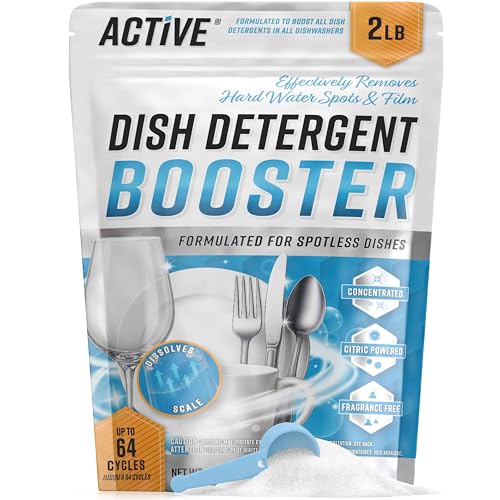
No Need to Switch Detergents: ACTIVE Dishwasher Detergent Enhancer works alongside dishwasher pods & pacs, liquid detergent gel & dishwasher powder. Compatible with dishwashing supplies like in-wash rinse aid & salt pellets. If your "clean" dishes are still a bit dirty, your detergent may just need a boost to finish the job

Designed to Work Better When You Skip the Pre-rinse - Wash your dishes effortlessly using Puracy dishwasher pods. With powerful enzymes, a single pod quickly removes grime and dried-on gunk – without soaking or pre-rinsing. Simply scrape dishes, stack them in the dishwasher, and let us do all the work.
Run a Vinegar Rinse
Is your dishwasher still not cleaning well? Running a vinegar rinse can help maintain its performance. Here’s a simple and effective method to try:
- Start with an empty dishwasher.
- Place a cup of white vinegar in the top rack.
- Run a hot water cycle.
- During the rinse cycle, the vinegar will help remove mineral buildup and eliminate odors.
Vinegar is known for its natural cleaning properties, making it a great choice for optimizing your dishwasher’s functionality.
Remember to check the water temperature and detergent usage after running the vinegar rinse to ensure the best results.
Conclusion
That’s it! Remember, a simple vinegar rinse can work wonders for your dishwasher’s cleaning performance. By eliminating mineral buildup and odors, vinegar helps maintain optimal functionality. After the rinse, ensure your water temperature and detergent usage are on point for sparkling clean dishes every time. Happy dishwashing!
Frequently Asked Questions
How can I improve my dishwasher’s performance?
To enhance your dishwasher’s performance, try a vinegar rinse. Simply place a cup of white vinegar on the top rack of an empty dishwasher and run a hot water cycle. This helps to remove mineral buildup and odors, improving its functionality.
Why is a vinegar rinse recommended for dishwashers?
A vinegar rinse is recommended due to vinegar’s natural cleaning properties. It helps to tackle mineral buildup and odors effectively, enhancing the dishwasher’s performance.
What should I do after a vinegar rinse?
After a vinegar rinse, check the water temperature and adjust detergent usage as needed for optimal results. This step ensures that your dishes come out clean and sparkling after each wash.
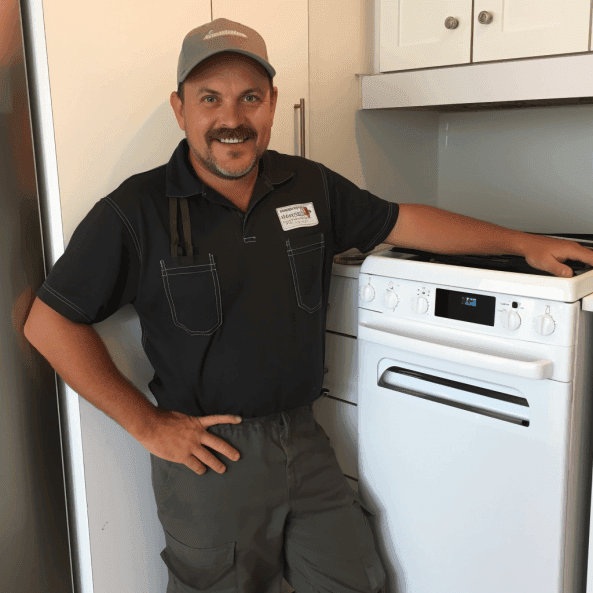
Hi, I’m Charlie, and I cover all things laundry here at Appliance Mastery.
I’ve spent over eight years working on washing machines, dryers, and dishwashers. I also have a degree in mechanical engineering, which helps me understand how these appliances really work.
I try to make every guide clear and practical. If you’re stuck with a noisy dryer or a leaking washer, I’ll help you figure out what’s wrong and how to fix it.