
Have you ever walked into your home only to find it uncomfortably cold, and your heat pump just won’t kick on? You’re not alone. Many homeowners face this frustrating situation, especially during chilly months when you need warmth the most.
Key Takeaways
- Power Supply Check: Ensure the circuit breaker is not tripped, fuses are intact, and the power switch is turned on to address common power issues.
- Thermostat Settings: Confirm that the thermostat is set to heating mode with an appropriate temperature, and check that it’s not located near heat sources or drafts that might interfere with readings.
- Mechanical Malfunctions: Be aware of signs of compressor issues and refrigerant leaks, as these can halt heat pump operation and require professional intervention.
- Environmental Impact: Extreme temperatures can affect heat pump efficiency; adjust settings accordingly and consider supplemental heating or cooling if necessary.
- Airflow Maintenance: Regularly inspect and clean air filters and ensure no obstructions around the outdoor unit to prevent airflow restrictions that could impede activation.
- Regular Maintenance Importance: Schedule semi-annual check-ups with HVAC professionals to catch potential issues early and maintain overall system efficiency, ultimately saving on repairs.
Common Reasons for Heat Pump Failures
Heat pump failures can stem from several issues. Identifying the cause can help you resolve the situation quickly.
Recommended Products

Heat pump thermostat for home, non programmable, 2 heating and 1 cooling, electric or gas/oil configurable. (TIP: before purchasing, check to see if this thermostat is compatible with your old thermostat)

CUSTOMIZE: Choose to receive change air filter reminders, coordinate with your home decor thanks to the interchangeable decorative accent pieces (comes with white and gray options), and select display settings to optimize this thermostat for home

Before buying, please confirm whether the product is compatible with your system, and check the size of the product to see if it can cover the traces left on the wall of the old thermostat.
Power Supply Issues
Power supply problems often prevent your heat pump from starting. Check the following:
- Circuit Breaker: Ensure the circuit breaker hasn’t tripped. A simple reset might resolve the issue.
- Fuses: Inspect fuses for any blown ones. Replace any blown fuses promptly.
- Power Switch: Verify that the power switch is turned on. If it’s off, simply switch it back on.
- Settings: Confirm the thermostat settings are correct. Set it to heating mode and adjust the temperature above the current room temperature.
- Batteries: Check the battery status of your thermostat. Replace batteries if the device is unresponsive.
- Placement: Ensure the thermostat isn’t placed near heat sources or drafts. Such locations can give inaccurate readings and prevent activation.
Mechanical Failures
Mechanical failures can prevent your heat pump from activating, leading to discomfort in your home. Identifying these issues quickly ensures a faster resolution.
Recommended Products

HIGH-PERFORMANCE 4 CFM VACUUM PUMP: Single-stage rotary vane pump delivers fast, deep evacuation for automotive and home HVAC systems; Removes moisture before refrigerant chargin;. Die-cast aluminum body with anti-slip base ensures long-lasting use

3-IN-1 SEALANT + MOISTURE REMOVER + UV DYE – Our proven leak sealant now includes moisture remover and UV dye for the complete system treatment! Now, you can seal your leak, remove system moisture, or find large leaks with the UV Dye...all in one easy to install package!

Auto AC Service Set: Orion Motor Tech's auto AC vacuum pump kit includes a powerful 1/3 hp vacuum pump, a 4-way manifold gauge, a leak detector, R134a can taps, R134a quick couplers, R410a adapters, vacuum oil, and 4 hoses for most AC repair works
Compressor Malfunctions
Compressor malfunctions often stop heat pumps from functioning. The compressor acts as the heart of the system, allowing refrigerant to circulate. If it fails, the system can’t heat or cool properly. Common signs include strange noises or overheating. You can check for issues by inspecting the outer unit for debris or ice buildup. An HVAC technician might be necessary for repair or replacement.
Refrigerant Leaks
Refrigerant leaks reduce efficiency and can halt your heat pump completely. Low refrigerant levels lead to reduced heating and cooling capacity. If you notice ice forming on the evaporator coils or hear hissing sounds, these could indicate a leak. Check for visible signs of oil around connections or fittings. Only a certified technician should recharge or fix refrigerant levels, as handling refrigerants requires specific equipment and skills.
Environmental Factors
Environmental factors can significantly impact whether your heat pump activates properly. Specifically, extreme weather conditions and airflow restrictions play crucial roles in its functionality.
Extreme Weather Conditions
Extreme temperatures, both hot and cold, affect heat pump operations. When outdoor temperatures drop below a certain threshold, typically around 30°F (-1°C), heat pumps struggle to extract heat from the cold air. This reduced efficiency can prevent your system from starting. Conversely, during excessively hot weather, high humidity levels can overwhelm your heat pump’s cooling capabilities and result in it not activating.
Consider adjusting your thermostat settings during extreme weather. If your heat pump’s unable to maintain set temperatures, you might need a supplemental heating or cooling source until conditions improve.
Airflow Restrictions
Airflow restrictions can halt your heat pump from working. Blockages in the ductwork, dirty filters, or debris around the outdoor unit can create pressure issues, limiting airflow and preventing activation. Regularly check and replace air filters every 1-3 months to ensure optimal performance.
Additionally, maintain a clear space around the outdoor unit. Remove leaves, snow, and ice that might obstruct airflow. Ensure all vents are open and unobstructed. If restrictions persist, contact an HVAC technician to assess and resolve any potential ductwork issues.
Maintenance and Inspection
Regular maintenance ensures your heat pump operates efficiently and effectively. Neglecting upkeep can lead to costly repairs and decreased performance.
Recommended Products

COMPATIBILITY: MAC-408FT-E Filter is perfectly compatible with the following Mitsubishi ductless mini splits: MSZ-GE06NA, MSZ-GE09NA, MSZ-GE12NA, MSZ-GE15NA, MSZ-GE18NA, MSY-GE09NA, MSY-GE12NA, MSL-GL15NA, MSY-GE15NA, MSY-GE18NA.
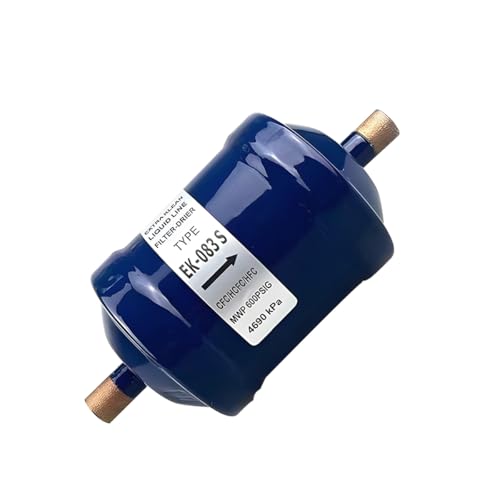
High Grade Material: This car liquid line filter dryer is made of steel, which has high strength and can withstand high pressure without easily deforming or rupturing. Moreover, it also has good toughness, maintaining structural integrity even under complex vibration and impact conditions. What's more, this material has excellent wear resistance, ensuring the product's service life by withstanding friction wear in the line during long-term use.

Universally Compatible: Measuring 14" x 24" x 1", with an actual size of 13.75"x23.75" x 0.75", Simply Filters works with almost any brand. Comparable to 3M Filtrete MPR 600, Filterbuy AFB Silver, and Honey well FPR 5.
Importance of Regular Maintenance
Regular maintenance of your heat pump helps identify potential issues before they escalate. Scheduling professional inspections twice a year keeps systems running smoothly. Checking components like filters, coils, and ductwork improves airflow and efficiency, which reduces energy costs.
Scheduled Check-Ups
Scheduled check-ups allow HVAC technicians to catch problems early. Technicians should examine the electrical connections, refrigerant levels, and mechanical components. This proactive approach prevents minor issues from turning into major repairs, saving you time and money.
Cleaning and Filter Replacement
Cleaning and replacing filters play a crucial role in heat pump maintenance. Dirty filters restrict airflow, affecting performance and efficiency. Replace filters every 1-3 months, especially during peak usage seasons.
Ice and Debris Inspection
Inspect the outdoor unit for ice or debris. Accumulated ice can obstruct airflow, while debris can block airflow and reduce efficiency. Clear away any leaves, dirt, or snow around the unit to maintain optimal performance.
DIY Inspections
Conducting DIY inspections can keep your heat pump in check. Look for unusual noises, identify signs of leaks, and check for frost buildup. If you notice anything unusual, contact a professional for assistance.
Regular maintenance empowers you to keep your heat pump running efficiently. Implement these practices to extend the lifespan of your system and ensure comfort in your home.
Conclusion
When your heat pump won’t turn on it can be a real headache. By staying proactive and checking the common culprits you can often pinpoint the issue before it becomes a bigger problem. Regular maintenance is key to keeping your system running smoothly and efficiently.
Don’t hesitate to reach out to a professional if you’re unsure or if the problem persists. A little attention now can save you from larger headaches down the road. Remember your comfort is worth the effort!
Frequently Asked Questions
Why won’t my heat pump activate?
Your heat pump might not activate due to power supply issues, such as tripped circuit breakers, blown fuses, or an off power switch. Check these first to identify the problem.
How can I check my thermostat settings?
Ensure your thermostat is correctly set to heating mode and at a sufficient temperature. Also, replace any dead batteries and verify that it’s installed properly for accurate readings.
What are signs of compressor issues in heat pumps?
Common signs of compressor problems include strange noises, overheating, or a complete lack of heating. If you notice any of these, it may be time to consult an HVAC technician.
Can the weather affect my heat pump operation?
Yes, extreme temperatures can hinder heat pump performance. Very low outdoor temperatures may impede heat extraction, while high humidity can overwhelm cooling capacities, necessitating adjustments or supplemental heating.
How do I prevent airflow restrictions in my heat pump?
Regular maintenance is key. Clean or replace filters every 1-3 months, and ensure there’s no debris blocking the outdoor unit. Clear ductwork is also vital for optimal airflow.
Why are regular maintenance checks important for heat pumps?
Regular maintenance helps identify potential issues early, extending your heat pump’s lifespan, improving efficiency, and preventing costly repairs. Schedule professional inspections at least twice a year.
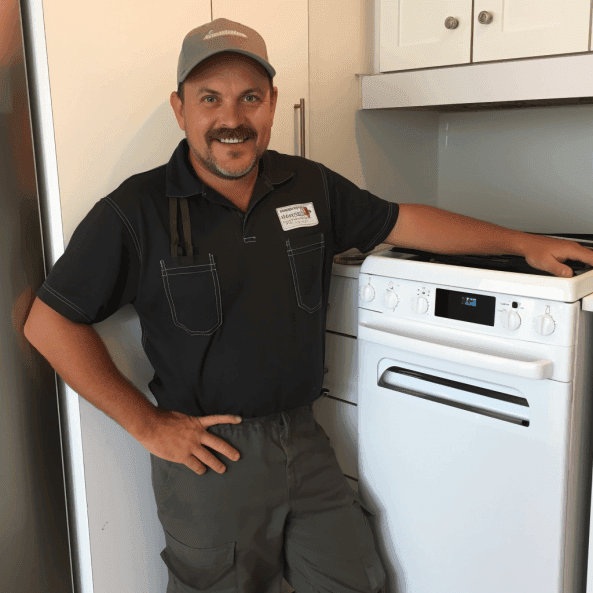
Hi, I’m Charlie, and I cover all things laundry here at Appliance Mastery.
I’ve spent over eight years working on washing machines, dryers, and dishwashers. I also have a degree in mechanical engineering, which helps me understand how these appliances really work.
I try to make every guide clear and practical. If you’re stuck with a noisy dryer or a leaking washer, I’ll help you figure out what’s wrong and how to fix it.