
Tired of dealing with a leaky portable AC that’s making a mess in your space? Ever wondered how often you should be draining it to keep things running smoothly? Let’s dive into the world of portable AC maintenance and get those answers for you.
Imagine this: It’s a scorching summer day, and your portable AC is working overtime to keep you cool. But suddenly, you notice water pooling around the unit, causing a mini indoor flood. Sound familiar? Knowing how often to drain your portable AC can save you from these soggy situations and keep your cool air flowing.
In this article, we’ll break down the importance of regular draining for your portable AC and provide you with practical tips on maintaining a dry and efficient cooling system. Stay tuned to learn how simple maintenance can make a big difference in your comfort and peace of mind.
Understanding the Importance of Draining Your Portable AC
Draining your portable AC is crucial to prevent leaks and ensure efficient cooling. If you neglect this essential maintenance task, you risk potential water damage and reduced cooling performance. Here’s why regular draining is so important:
- Preventing Leaks: Accumulated water in the unit can overflow, causing leaks that may damage your floors or belongings.
- Maintaining Efficiency: A clogged or full condensate pan can impede airflow and reduce the unit’s cooling efficiency.
- Preventing Mold and Mildew: Excess moisture inside the AC creates a breeding ground for mold and mildew, impacting indoor air quality.
To avoid these issues, it’s vital to know how often to drain your portable AC. This frequency may vary depending on factors like humidity levels and frequency of use. Stay tuned for practical tips on proper draining techniques and maintaining a dry, efficient cooling system.
Signs that Your Portable AC Needs Draining
If you’re wondering when to drain your portable AC, watch out for these signs that indicate it’s time:
- Pooling Water: If you notice water collecting around the unit, it’s a clear sign that drainage is necessary.
- Reduced Cooling: Is your AC not cooling as effectively as before? It might be due to excess water affecting its performance.
- Unpleasant Odors: Mold or mildew growth can cause musty smells, signaling the need for drainage to prevent further issues.
- Visible Moisture: Any visible moisture inside the unit or on components indicates a need for drainage to maintain optimal operation.
Keeping an eye out for these indicators will help you stay on top of your portable AC maintenance and ensure efficient performance.
Recommended Products
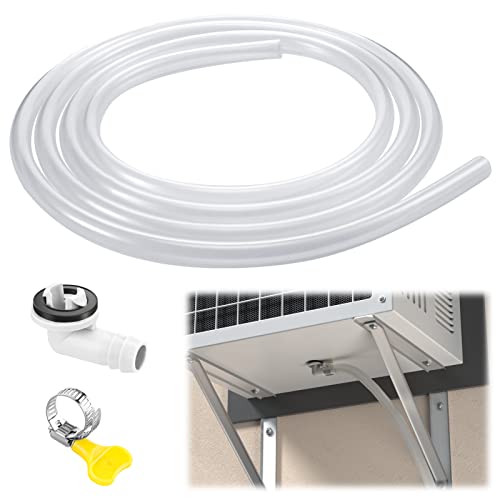
Extra Long 10FT Hose,Fits Multiple AC Units: At 10 feet long (twice the length of standard hoses), this drain hose reaches different heights with ease. The The 3/5 inches drain hose connector is compatible with LG window ACs, Midea U-shaped units, Midea A/C, and 10K BTU models. Please measure your drain hole size before ordering

【Leak-proof Gasket】The hose connector is tightly connected to the hose and will not leak easily, preventing long-term water leakage from corroding your walls and windows. The hose connector is equipped with a gasket, which has a good leak-proof effect. One of the great air conditioner accessories is a hose set that helps you drain excess water from your air conditioner.

【General Size】Fittings are approximately 15 mm/0.6 inches and fit most mini-split air conditioners and other portable air conditioners.. The hose is 5 feet in full length and is suitable for elbow fittings. Before purchasing, please note the shape and size of the air conditioner drain hole so that the fitting will not fit.
How Often Should You Drain Your Portable AC?
Frequency Guidelines:
- High Humidity Areas: Check and drain your portable AC every 8-12 hours to prevent excess moisture buildup.
- Moderate Humidity Areas: Drain the unit every 1-2 days to maintain optimal performance.
- Low Humidity Areas: You can typically drain your portable AC every 2-3 days without issues.
Factors to Consider:
- Humidity Levels: Higher humidity requires more frequent draining to avoid water accumulation.
- Usage Frequency: The more you use your portable AC, the more often you may need to drain it to prevent leaks and mold growth.
- Pooling Water: If you notice water collecting around your unit, it’s time to drain it.
- Reduced Cooling Efficiency: A decrease in cooling performance could indicate a need for draining.
- Unpleasant Odors: Mold or mildew growth can cause musty smells, signaling the need for drainage.
- Visible Moisture: Any moisture inside the unit or on components should prompt you to drain your portable AC.
Remember, proper maintenance, including regular draining, is essential for keeping your portable AC operating efficiently and preventing potential issues down the line.
Recommended Products

Foldable Air Conditioner Drain Pan: You will get an air conditioner drip pan with drain pipe ,it is designed to collect and capture water released from your portable air conditioner, preventing leaks and spills that could damage your floors, appliances, and furniture,keeping your home clean and dry

Ac Condensate Management: Stop water leakage from portable air conditioners or window ac units to avoid floor damage - This air conditioner drip pan is an essential ac drainage pan for apartments or homes to prevent messy dripping in any indoor or outdoor environment

Better Compatibility and Leak-Free Design: this universal dehumidifier hose features an elastic rubber adapter with a secure connecting clamp, ensuring a tight seal with no leaks, compatible with most dehumidifiers brands (Note: please confirm your dehumidifier drain outlet size before purchasing)
Tips for Properly Draining Your Portable AC
When it comes to draining your portable air conditioner, following some simple steps can make the process efficient and effective. Here are some handy tips to ensure you properly drain your portable AC unit:
- Locate the Drain Plug: Start by finding the drain plug on your AC unit. It is usually at the bottom of the appliance.
- Use a Drain Pan: Place a drain pan under the unit to collect the water that drains out.
- Check the Water Level: Regularly monitor the water level inside the drain pan to ensure it doesn’t overflow.
- Regular Maintenance: Make draining your portable AC a routine part of your maintenance schedule to prevent issues.
- Clear Obstructions: Check for any blockages in the drain pipe and ensure it is clear for proper drainage.
- Monitor Performance: Keep an eye on any signs of pooling water or reduced cooling efficiency as indicators that draining is needed.
By following these simple guidelines, you can ensure that your portable air conditioner is properly maintained and operating at its best.
Recommended Products
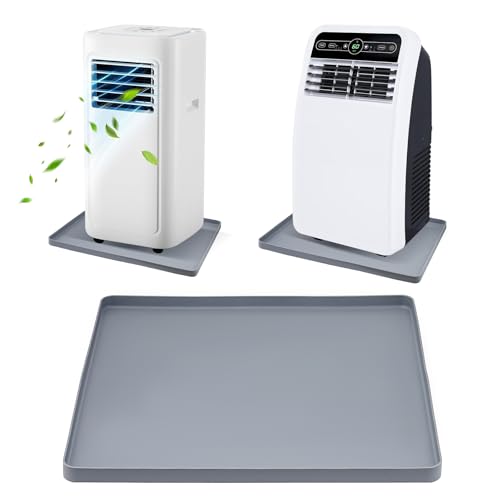
Floor & Carpet Protection Mat: This portable air conditioner drip pan mat can effectively protect your floor or carpet from the damage of water leakage, scratches and daily wear.

【High Efficiency Capacity】Mini Fridge Drip Pan with a large capacity of 22.8 x 21.6 x 1.2 inches, can hold up to 2 gallons of oil or liquid, suitable for various uses.
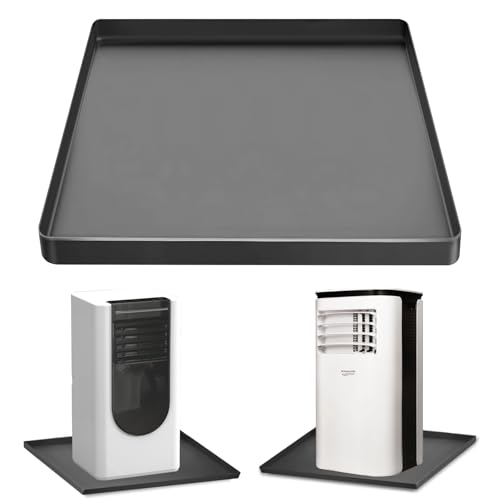
Portable Air Conditioner Drip Pan: You will get an air conditioner drip pan, which is to collect and capture water released from portable air conditioner units to prevent water leaks and spills from damaging your floors, appliances and furniture, keep your home clean.
Conclusion
Ensure optimal performance by draining your portable air conditioner according to the recommended frequency based on humidity levels and usage. Regular maintenance, including proper drainage, is essential to prevent issues like leaks and mold growth. Remember to monitor for signs indicating the need for drainage, such as pooling water or reduced cooling efficiency. By following these guidelines and incorporating maintenance tips like clearing drain pipe obstructions, you can prolong the lifespan of your portable AC unit and enjoy efficient cooling during hot days. Stay proactive in maintaining your portable air conditioner to avoid potential problems and ensure a comfortable indoor environment.
Frequently Asked Questions
How often should I drain my portable air conditioner?
Drain your portable air conditioner every 8-12 hours in high humidity areas, every 1-2 days in moderate humidity areas, and every 2-3 days in low humidity areas. Drain when you notice pooling water, reduced cooling efficiency, unpleasant odors, or visible moisture.
What are the signs that indicate the need for draining my portable air conditioner?
Signs that your portable air conditioner needs draining include pooling water, reduced cooling efficiency, unpleasant odors, and visible moisture. Regular maintenance and monitoring can help you spot these signs promptly.
What tips are recommended for properly draining a portable air conditioner?
To properly drain your portable air conditioner, locate the drain plug, use a drain pan, monitor water levels, perform regular maintenance, clear obstructions in the drain pipe, and watch for signs of needed drainage like pooling water or reduced cooling efficiency. Proper draining is essential to maintain optimal performance and prevent issues like leaks and mold growth.
Hi, I’m Charlie, and I cover all things laundry here at Appliance Mastery.
I’ve spent over eight years working on washing machines, dryers, and dishwashers. I also have a degree in mechanical engineering, which helps me understand how these appliances really work.
I try to make every guide clear and practical. If you’re stuck with a noisy dryer or a leaking washer, I’ll help you figure out what’s wrong and how to fix it.