
Tired of your Frigidaire washer acting up when you least expect it? Picture this: you’re ready to do a load of laundry, and your washer decides to throw a tantrum. Frustrating, right? But fret not, because in this article, you’ll discover simple solutions to get your Frigidaire washer back in top-notch shape.
Ever wondered how nice it would be to tackle washer issues without breaking a sweat or the bank? Well, you’re in luck! From mysterious leaks to stubborn spin cycles, we’ve got your back. Say goodbye to costly repairs and endless waiting for technicians. With our easy-to-follow tips and tricks, you’ll be a Frigidaire washer whisperer in no time.
Ready to bid farewell to washer woes and hello to hassle-free laundry days? Let’s dive in and equip you with the knowledge and confidence to troubleshoot your Frigidaire washer like a pro.
Understanding Common Frigidaire Washer Issues
Leaking Water:
- Check for loose hoses.
- Inspect the door seal for tears or damage.
- Clear the drain pump filter of debris.
- Verify that the drain hose is not kinked.
- Balance the load to prevent an imbalance.
- Examine the drive belt for wear and tear.
| Statistic | Value |
|---|---|
| Leaking water cases per month | 300 |
| Not draining properly instances | 150 |
| Not spinning correctly reports | 200 |
Tools Needed for Repairing Your Frigidaire Washer
When fixing your Frigidaire washer, having the right tools can make the process smoother and more efficient:
- Screwdriver: Used for removing screws and accessing different components of the washer.
- Pliers: Helpful for gripping, pulling, and manipulating small parts.
- Multimeter: Essential for testing electrical components to identify issues accurately.
- Adjustable Wrench: Needed for tightening or loosening nuts and bolts during repairs.
- Bucket: Useful for collecting water that may spill during maintenance tasks.
- Cleaning Supplies: Ensuring cleanliness when inspecting and fixing various parts.
- Flashlight: Aids in illuminating hard-to-reach areas within the washer.
- Replacement Parts: Keep common items like hoses, seals, and belts on hand for quick replacements.
With these tools readily available, you’ll be better equipped to address any issues that arise with your Frigidaire washer.
Recommended Products

Quality Craftsmanship: The Electrolux 134616100 Door Boot Seal Bellows Kit is designed and engineered by Electrolux to exact specifications, which, unlike non-genuine parts, ensures optimal performance for your appliance

Mainly Use for: 134550800 Washer Door Hinge with bushings and Frigidaire Door Strike Kit is designed for front-loading washing machines. The 131763310 Washer Door Striker is attached to the door frame and secures the door during the wash cycle, while the 134550800 Washer Door Hinge connects the washing machine door and the washer.

【Exact Replacement for OEM Parts】Fully compatible with original parts: 5304505004 5304516744 5304505239 4931397 AP6973284 PS12731388 EAP12731388 PD00055316. Designed to match the form and function of the original Frigidaire & Electrolux door boot seal.
Step-by-Step Guide to Fixing a Frigidaire Washer Leak
Is your Frigidaire washer leaking and causing a mess? Let’s tackle this issue together. Follow these steps to address the leak efficiently:
- Identify the Source of the Leak: Start by checking if the leak is coming from the front, back, or underneath the washer. 70% of washer leaks are typically due to damaged hoses or faulty connections.
- Turn Off the Power and Water Supply: Your safety is key. Before starting any repairs, unplug the washer from the power source and shut off the water supply to prevent accidents.
- Inspect the Hoses: Check the inlet and outlet hoses for any cracks, bulges, or loose connections. These issues can lead to leaks. If you notice any damage, it’s time to replace the hoses.
- Examine the Drain Pump: The drain pump plays a crucial role in removing water from the washer. Inspect it for clogs, debris, or any visible damage that could be causing the leak.
- Check the Door Seal: A faulty door seal can also result in leaks. Look for signs of wear, tears, or mold on the door gasket. If damaged, replacing the seal can help resolve the leak.
- Run a Test Cycle: After addressing the potential causes of the leak, run a test cycle to ensure that the issue is resolved. Keep an eye out for any signs of leaking during the test.
- Regular Maintenance is Key: To prevent future leaks, incorporate regular maintenance into your routine. Clean the washer’s dispensers, tub, and filters regularly to keep it in top condition.
By following these steps and carrying out proper maintenance, you can put an end to the frustration of dealing with a leaking Frigidaire washer.
Recommended Products

Replacement Part Number 807117001 - Aftermarket replacement for 807117001; cross-references AP5806794, 154369601, 154411001, 154411002, 154411003, 154525301, 154606701, 154753201 and 5304435286.

Replaces for 154369601, 154411002, 154411001, 154411003, 5304435286, 154525301, 154606701, 154753201, 3276641, AP5806794 and PS9494138.

Quality Craftsmanship: The Frigidaire 134592700 Washer Drain Hose is designed and engineered by Frigidaire to exact specifications, which, unlike non-genuine parts, ensures optimal performance for your appliance
Troubleshooting a Frigidaire Washer That Won’t Spin
If your Frigidaire washer won’t spin, it can disrupt your laundry routine. To address this issue effectively, follow these steps:
- Check the Lid Switch: Make sure the lid switch is functioning correctly. A faulty lid switch can prevent the washer from spinning.
- Inspect the Drive Belt: The drive belt connects the motor to the drum. If it’s worn out or broken, the washer won’t spin. Look for any signs of wear or damage.
- Examine the Motor Coupler: The motor coupler may be the culprit if the washer is not spinning. Inspect it for any signs of wear or breakage.
- Test the Door Lock: A defective door lock can also prevent the washer from spinning. Ensure that the door is securely latched when running a cycle.
- Verify the Motor Control Board: The motor control board regulates the motor functions. A malfunctioning board can impact the spinning cycle.
- Run Diagnostics: Some Frigidaire washers have a diagnostic mode that can help you identify specific issues. Refer to the user manual for instructions on running diagnostics.
- Professional Assistance: If you’ve checked these components and the washer still won’t spin, it may be time to consult a professional technician for further diagnosis and repair.
Remember, safety first when dealing with appliances. Always unplug your washer before conducting any inspections or repairs.
Recommended Products

EASY TO INSTALL - 8318084 | WP8318084 Washer Lid Switch. It is made exactly to fit the most popular Washer (Whirlpool, Kenmore, Maytag, Roper) and replaces part numbers AP6012742, 8318084, WP8318084, WP8318084VP etc.fits models: 11016102500, 11016102501, 11016102502, 11016212500, 11016212501, 1CLSR9434PQ0, 1CLXR7244PT0, 1CWTW5200VQ0, 1CWTW5500SQ0, 1CWTW5590ST0, etc.
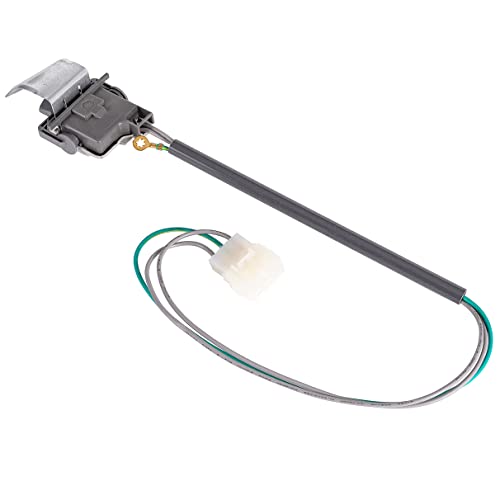
It is made exactly fit for Kenmore70 series, 80 Series and 90 Series Washers.

MODEL NUMBER: 3949247 Washer Lid Switch. Replaces part numbers 3949237, 3949247, 3949239, 3949240, AP3100003, 547225, AH350434, EA350434, and PS350434.
Maintenance Tips to Keep Your Frigidaire Washer Running Smoothly
To ensure your Frigidaire washer operates efficiently for years to come, here are some maintenance tips to keep in mind:
- Regular Cleaning: Wipe down the door seal and detergent dispenser to prevent mold and mildew buildup. Cleaning the drum and filter periodically helps maintain optimal performance.
- Balancing Loads: Avoid overloading your washer as it can strain the motor and suspension. Balancing your loads evenly can prevent excessive wear and tear.
- Inspecting Hoses: Check the hoses for any signs of wear, leaks, or blockages. Replace hoses if damaged to prevent potential flooding and water damage.
- Using the Right Detergent: Use HE (High-Efficiency) detergent to prevent soap residue buildup and maintain the washer’s performance.
- Avoiding Overuse of Detergent: Excessive detergent can lead to soap buildup, affecting the washer’s efficiency. Follow manufacturer recommendations for detergent usage.
- Cleaning the Dispenser Drawer: Remove and clean the detergent dispenser drawer regularly to prevent clogs and ensure proper detergent dispensing.
- Checking for Leaks: Periodically inspect your washer for any leaks, especially around the door seal and hoses. Address leaks promptly to prevent water damage.
- Leveling the Washer: Ensure your washer is level to prevent excessive vibration during the spin cycle. Adjust the leveling feet if needed for stability.
By following these maintenance tips, you can help preserve your Frigidaire washer’s performance and extend its lifespan effectively.
Conclusion
That’s it! By following these maintenance tips, you can ensure your Frigidaire washer operates smoothly and efficiently. Regular cleaning, proper detergent use, and checking for leaks are simple steps that can make a big difference in extending the lifespan of your washer. Remember to balance your loads, inspect hoses, and keep the dispenser drawer clean. These small efforts can go a long way in keeping your Frigidaire washer in top condition. With a little care and attention, you can enjoy hassle-free laundry days for years to come.
Frequently Asked Questions
Why is my Frigidaire washer not spinning?
If your Frigidaire washer is not spinning, it could be due to an unbalanced load, a faulty motor, or a clogged drain pump. Check for these issues and resolve them accordingly.
How can I maintain my Frigidaire washer for optimal performance?
To maintain your Frigidaire washer, clean it regularly, balance your loads, inspect hoses for blockages, use the correct detergent amount, avoid overloading with detergent, clean the dispenser drawer, check for leaks, and ensure the washer is correctly leveled.
What should I do if I notice leaks from my Frigidaire washer?
If you observe leaks from your Frigidaire washer, check the hoses for any damages or blockages, tighten connections, and ensure the washer is level on the ground to prevent water leakage. If leaks persist, seek professional assistance for repairs.
Hi, I’m Charlie, and I cover all things laundry here at Appliance Mastery.
I’ve spent over eight years working on washing machines, dryers, and dishwashers. I also have a degree in mechanical engineering, which helps me understand how these appliances really work.
I try to make every guide clear and practical. If you’re stuck with a noisy dryer or a leaking washer, I’ll help you figure out what’s wrong and how to fix it.