
Power outages can be a nightmare for many households as they can cause a major disruption to daily life. When left unaddressed, power outages can also cause damage to electrical appliances in the home, such as refrigerators. In this guide, we will provide some tips and tricks on how to fix a refrigerator after a power outage. Whether you are experiencing issues with temperature regulation or unfamiliar sounds, we’ve got you covered. Keep reading to learn more.
Understanding the Problem
A power outage can wreak havoc on your home appliances, particularly your refrigerator. When the electricity goes out, the food in your fridge can spoil quickly, and the unit itself may experience mechanical problems. It is important to understand the steps you need to take to fix your refrigerator after a power outage.
The Impact of a Power Outage
A power outage can cause a range of issues for your refrigerator. The most immediate concern is food spoilage. When the power goes out, the temperature inside the fridge begins to rise, and the longer the outage, the warmer the temperature becomes. This can lead to spoilage and foodborne illness. Additionally, the compressor and other mechanical components of the fridge can suffer damage during a power outage, requiring repair or replacement.
Common Misconceptions
There are several misconceptions about what to do with your refrigerator after a power outage. Some people believe that they should immediately unplug the unit to prevent damage, but this can actually cause more harm. Others think that they should turn the temperature all the way down to compensate for the lost cooling, but this can also be counterproductive. It is important to understand the right steps to take to fix your fridge.
Steps to Fix Your Refrigerator
Recommended Products

ENSURE FOOD SAFETY: Thermometer displays true appliance temperature instantly to ensure safe food storage
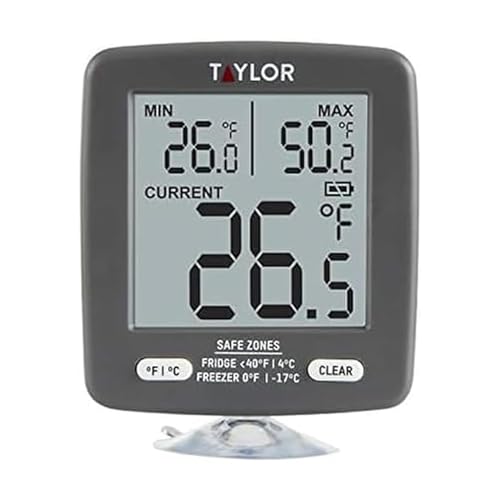
LARGE DISPLAY: Oversized 2” LCD display shows the min/max temperatures, current temperature, and battery level for at-a-glance viewing.

Convenient and practical: Our refrigerator thermometer is suitable for traditional refrigerators, freezers, insulated boxes, etc. It has a large dial with clear blue and red area indication on the surface of the fridge thermometer, making it easier for you to read the temperature.
Step 1: Wait
The first thing you should do after a power outage is to wait. Give your fridge time to stabilize and assess the extent of the damage. Keep the door closed as much as possible to maintain the cool temperature inside. Depending on the duration of the outage, you may need to wait anywhere from a few hours to a few days.
Step 2: Check the Temperature
After waiting, the next step is to check the temperature inside the fridge. Use a thermometer to measure the temperature and make sure it is below 40 degrees Fahrenheit. If the temperature is higher than this, you may need to discard any perishable items that have spoiled.
Step 3: Clean the Unit
If your fridge is still functioning, the next step is to clean the interior. Remove all food items and wipe down the shelves and walls with a mixture of warm water and baking soda. This will help remove any odors and bacteria that may have built up during the outage.
Step 4: Adjust the Temperature
Once you have cleaned the unit, adjust the temperature setting to the recommended level. This will ensure that the fridge is working efficiently and keeping your food at a safe temperature. Do not turn the temperature all the way down in an attempt to compensate for the lost cooling during the outage.
Step 5: Check for Damage
If your fridge is not functioning properly after a power outage, you may need to check for damage. Look for signs of damage to the compressor, condenser, and other mechanical components. If you notice any damage, you may need to call a professional repair service to fix the unit.
Preventing Future Outages
While power outages are often beyond our control, there are steps you can take to prevent future outages from damaging your refrigerator. Consider investing in a backup generator or surge protector to protect your appliances during power outages. You can also take steps to reduce the amount of energy your fridge uses, such as keeping the coils clean and maintaining the recommended temperature setting.
Recommended Products

425VA/260W Standby Uninterruptible Power Supply (UPS): Uses simulated sine wave output to provide battery backup power and to safeguard home office, home entertainment including computers, gaming consoles, and broadband routers
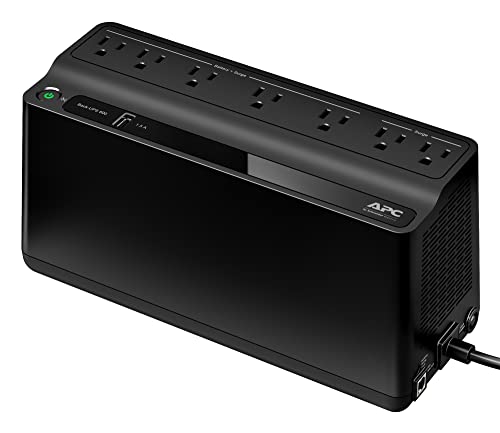
KEEP YOUR COMPUTER, WI-FI AND ROUTER RUNNING THROUGH POWER OUTAGES: Supplies short-term battery power during outages to maintain internet connectivity and allow safe shutdown of computer during power interruptions

High and Low Voltage Surge Protector: Protects your refrigerator from power fluctuations like high/low voltage, brownouts, spikes and surges. With a 303-joule capacity, it resists stronger power surges and automatically shuts off at 140 VAC (high) and 90 VAC (low) to prevent damage
Tips for Reducing Energy Usage
- Keep the coils clean to ensure efficient operation.
- Use a thermometer to monitor the temperature inside the fridge.
- Keep the door closed as much as possible to maintain the cool temperature.
- Do not overload the fridge with too many items.
- Make sure the fridge is level to ensure proper operation.
FAQs – How to Fix Refrigerator After Power Outage
Recommended Products

1.Multifunctional testing: It includes multiple detection functions. This tester can test various components of the refrigerator, such as the compressor, pulse electromagnetic valve, variable-frequency compressor, DC fan, electric damper, electromagnetic valve and sensor, etc. It provides a comprehensive solution for diagnosing refrigeration system faults.

8-in-1 All-In-One Fridge Diagnostic Tool This integrated tester replaces 8 separate single-function testing devices: electric valve tester, air damper tester, bistable pulse solenoid valve tester, DC cooling fan tester, variable frequency compressor & inverter board tester, refrigerator mainboard pulse valve drive tester, dual-signal inverter board tester and single-signal inverter board tester. Equipped with 8 dedicated test modes exclusively designed for all mainstream refrigerator core components. Rapidly detect hidden electrical and mechanical faults to eliminate blind trial-and-error part replacement.

2550 peak watts and 1900 rated watts at less than 3% THD – weighs only 43 lb. – gas powered – one RV ready TT-30r outlet, two 120v 20 amp outlets, and two USB outlets
What should I do first when my refrigerator stops working after a power outage?
The first thing you should do is unplug the refrigerator and wait for at least 30 minutes to an hour, allowing the compressor to cool down. After this, plug it back in and see if it starts up again. If not, there may be more complex issues that require a technician’s attention.
Why has my refrigerator stopped working after a power outage?
A power outage can cause a variety of problems for a refrigerator, including tripping circuit breakers, damaging the compressor, and causing electrical malfunctions. These issues can arise if there were power surges or if the refrigerator was running when the power went out.
How can I determine if the power outage caused damage to my refrigerator?
You can check if the refrigerator is working by ensuring it is plugged in, checking the circuit breakers, and examining the compressor motor. A home voltage meter can also determine if the compressor is receiving power. If these solutions don’t work, contact a licensed repair technician.
What steps can I take to fix my refrigerator after a power outage?
After the refrigerator has had a chance to cool down, you can check the condenser coils, clean the evaporator coils, and ensure that the adjustable temperature control knob is set to a proper cooling level. Additionally, the unit might need more freon if it leaked out during the power surge. These are general troubleshooting steps, and you should seek advice or help from a licensed technician if these steps do not lead to success.
How can I avoid problems with my refrigerator after a power outage?
You can prepare for power outages by making sure your refrigerator is plugged into a surge protector, which will protect it to some extent from power surges. Additionally, ensure that it’s running at recommended amperage levels. After a power outage, give the refrigerator adequate time, so it can cool down itself or consult a licensed technician. Regular maintenance can also help catch small issues before they grow into major problems.

Hi, I’m Charlie, and I cover all things laundry here at Appliance Mastery.
I’ve spent over eight years working on washing machines, dryers, and dishwashers. I also have a degree in mechanical engineering, which helps me understand how these appliances really work.
I try to make every guide clear and practical. If you’re stuck with a noisy dryer or a leaking washer, I’ll help you figure out what’s wrong and how to fix it.