
Using the Bosch Self-Cleaning Gas Oven requires understanding its safe operation features. Following the manual’s guidelines ensures effective cleaning while maintaining safety and performance. Proper use of the self-cleaning function can prevent hazards and extend the oven’s lifespan.
Bosch Self-Cleaning Oven Safety Supply List
Before using your Bosch self-cleaning gas oven, it’s essential to gather the necessary supplies to ensure safe and effective operation. This list includes items that enhance safety during the cleaning process and help maintain the oven’s performance. Familiarizing yourself with these supplies will prepare you for a seamless self-cleaning experience.
Before starting the self-cleaning process, gather essential supplies to ensure safety and efficiency. This preparation helps avoid accidents and ensures the oven operates correctly.
Oven mitts for handling hot components
Cleaning cloths for wiping surfaces
Vacuum cleaner to remove debris
Baking soda for additional cleaning if needed
Protective eyewear to shield against any splatters
Bosch Self-Cleaning Oven Safety Protocols
Understanding the safety protocols for your Bosch self-cleaning gas oven is essential for ensuring efficient operation and preventing accidents. This section outlines key safety measures to follow during the self-cleaning process, helping you maintain a secure cooking environment while maximizing the benefits of your oven’s features. Adhering to these guidelines will enhance your cooking experience and protect your home.
Understanding safety protocols is crucial when using the self-cleaning feature. This function operates at high temperatures, which can pose risks if not managed properly.
Ensure the oven is empty before starting the self-cleaning cycle. Remove all racks, pans, and any food debris. Check that the oven door is securely closed and locked.
Follow these safety tips:
Ventilate the kitchen to avoid smoke buildup.
Keep children and pets away from the oven during the cycle.
Monitor the oven while it is in self-cleaning mode to address any issues immediately.
Bosch Self-Cleaning Oven Operation Techniques
Understanding the operation techniques for your Bosch self-cleaning gas oven is essential for safe and effective use. This section provides detailed guidance on how to utilize the self-cleaning feature while ensuring optimal performance and safety. Familiarizing yourself with these techniques will help you maintain your oven in excellent condition while minimizing risks during the cleaning process.
Executing the self-cleaning function correctly is essential for optimal results. The process involves high heat that incinerates food residues, turning them into ash.
Select the self-cleaning mode on the control panel.
Set the timer according to the level of cleaning required. Options typically range from 2 to 4 hours.
Press start and ensure the oven door locks automatically.
Wait for the cycle to complete and allow the oven to cool down before opening.
Bosch Self-Cleaning Cycle Stages Explained
Understanding the stages of the self-cleaning cycle in Bosch gas ovens is essential for safe and effective operation. This section will break down each phase of the cleaning process, highlighting what to expect and how to ensure optimal performance while maintaining safety in your kitchen. Familiarizing yourself with these stages will enhance your cooking experience and prolong the life of your appliance.
Understanding the self-cleaning cycle’s stages helps in managing expectations and outcomes. The cycle typically includes the following phases:
Preheat Phase: The oven heats up to a high temperature.
Cleaning Phase: Residues are incinerated, turning them into ash.
Cooling Phase: The oven cools down safely before the door unlocks.
| Phase | Duration | Temperature Range | Purpose |
|---|---|---|---|
| Preheat Phase | 30 min | 450°F – 900°F | Prepare oven for cleaning |
| Cleaning Phase | 2-4 hours | 900°F | Incinerate food residues |
| Cooling Phase | 30 min | – | Allow oven to cool and unlock |
Bosch Self-Cleaning Oven Troubleshooting Guide
Navigating issues with your Bosch self-cleaning gas oven can be challenging, but understanding common problems and their solutions can help restore its functionality. This troubleshooting guide offers practical tips and insights to address frequent concerns, ensuring safe and efficient operation while maximizing the benefits of your oven’s self-cleaning feature.
Occasionally, issues may arise during the self-cleaning process. Knowing how to troubleshoot can save time and prevent damage.
Oven does not lock: Check for obstructions on the door.
Excessive smoke: Ensure the oven is clean and free of debris.
Cycle does not start: Verify that the oven is plugged in and the control panel is functioning.
Bosch Self-Cleaning Gas Oven Maintenance Practices
Maintaining your Bosch self-cleaning gas oven is essential for optimal performance and safety. Regular upkeep not only enhances cooking efficiency but also extends the lifespan of the appliance. This section outlines effective maintenance practices to ensure your oven remains in top condition while providing a safe cooking environment.
Regular maintenance enhances the performance and longevity of the Bosch Self-Cleaning Gas Oven. Implement these practices to keep your oven in top condition.
Wipe down the oven interior regularly to prevent buildup.
Inspect door seals for wear and replace if necessary.
Clean burners and grates to ensure even heating.
Bosch Self-Cleaning Oven Safety Precautions
When using a Bosch self-cleaning gas oven, understanding safety precautions is essential for a secure cooking experience. This section outlines key guidelines to follow during the self-cleaning process, ensuring both effective cleaning and the safety of your kitchen environment. Adhering to these tips will help prevent accidents and maintain the longevity of your appliance.
Always prioritize safety when operating the self-cleaning function. Ensure proper ventilation and keep the area clear of hazards.
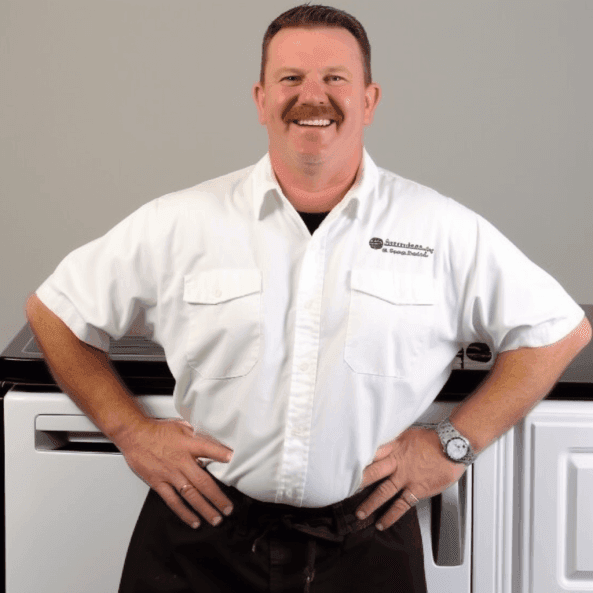
Hey, I’m Jake. I focus on cooling systems at Appliance Mastery, like fridges, freezers, and air conditioners.
I’ve worked in appliance repair for more than ten years and I’m certified through NASTeC. I’ve seen just about every fridge issue you can imagine.
My goal is to help you fix problems without stress. Whether it’s a freezer that won’t cool or an AC that keeps beeping, I’m here to walk you through it.