
Have you noticed water pooling at the bottom of your freezer? You’re not alone. This frustrating issue can catch anyone off guard, turning your once reliable appliance into a source of stress. Whether it’s a minor leak or a more serious problem, understanding the cause can save you time and money.
Key Takeaways
- Identify Common Causes: Water pooling in your freezer could be due to ice buildup, clogged drainage systems, or damaged door seals that allow warm air to enter.
- Recognize Signs of Leaks: Look for indicators like water pooling at the bottom and ice formation on the back wall to spot leaks early.
- Troubleshoot Effectively: Inspect the door seal and drain pan for damage or blockages to resolve leaking issues promptly.
- Regular Maintenance: Check the drainage hole monthly, clean the drain pan, and examine door seals every few months to prevent leaks.
- Prevent Accumulation: Maintain proper air circulation by not overpacking the freezer and allowing hot foods to cool before storing them.
- Organize and Label: Keep the freezer organized with containers and labels to minimize frequent openings, aiding in temperature consistency and reducing moisture buildup.
Common Causes of Bottom of Freezer Leaking Water
Identifying the causes of water pooling at the bottom of your freezer helps in resolving the issue effectively. Here are common culprits.
Recommended Products

It is easy to use and saves you a lot of money from calling AC service or Plummer $150-200 per visit. When used every year it prevents the condensation overflow that will discolor your Sheetrock and avoid costly repair.
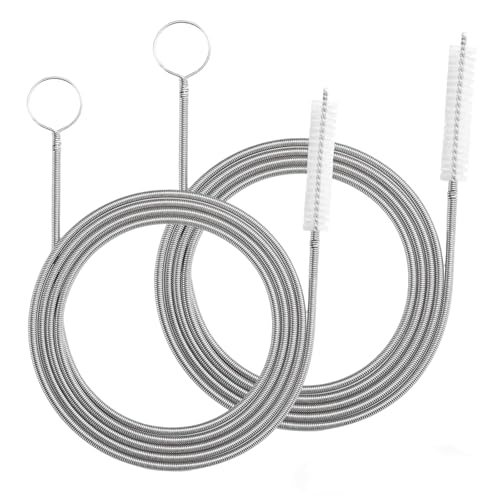
Stop Leaks & Costly Repairs Before They Happen: Clogged drain lines cause water overflow, interior leaks, and appliance damage. This 80-inch drain cleaning tool helps clear buildup early—protecting your car, refrigerator, dishwasher, and AC system from expensive repairs.

Refrigerator Water Line Cleaner Kit: Refrigerator drain cleaning tool not only is it used for fridge water line cleaner, be used for water dispenser cleaner, aquariums, filtration systems, long tube brush cleaner hose/glass tubes clog, and even complex drain hole cleaner with ease.
Ice Buildup and Defrost Issues
Ice buildup often blocks airflow. When the freezer undergoes defrost cycles, melting ice can create excess water. Ensure the defrost timer works correctly and doesn’t remain stuck in defrost mode. If you notice ice accumulating on the walls, inspect the door seals. Damaged seals allow warm air to enter, causing ice to form. You can fix minor tears with a door gasket repair kit, but replacement might be necessary for major damage.
Clogged Drainage System
A clogged drainage system leads to pooling water. Ice buildup or food debris can obstruct the drainage hole, preventing water from flowing to the drip pan. Regularly check the drainage hole, typically found at the back of the freezer. Clear any blockages using a turkey baster or a thin object like a wire for precision. Keep an eye on the drain pan located beneath the appliance; ensure it remains clean and free from dust or grime, which can hinder proper drainage.
Signs Indicating a Leak
Recognizing the signs of a leak in your freezer can help address issues promptly. Here are some key indicators to look for:
Water Pooling in the Freezer
Water pooling at the bottom of your freezer is the most obvious sign of a leak. If you notice puddles forming, it’s likely that water is not draining properly. Check for any visible blockages in the drainage hole. Regularly inspect this area to ensure it remains clear of ice buildup or food debris, which can obstruct proper drainage.
Ice Formation on the Back Wall
Ice formation on the back wall of your freezer can indicate a leak as well. Excessive ice accumulation might suggest that warm air is entering the freezer, causing condensation. You may notice frost forming around the edges or center. This could signal that door seals need replacement or that the defrost timer is malfunctioning. Regular checks can help identify these issues early on.
Troubleshooting the Problem
Identifying the source of the leak is essential for effective troubleshooting. Below are common areas to inspect for resolving the issue.
Recommended Products

Precise Replacement Part: This W10619951 refrigerator drain tube is designed as a direct replacement for Whirlpool, Maytag, and Kenmore refrigerator models, ensuring proper drainage function and preventing water accumulation issues in your appliance

PREMIUM QUALITY: The replacement part is made from durable high-quality material and well-tested by the manufacturer - It meets OEM standards - Ensures long-lasting and effective performance.

Replace Part Number: Designed to replace WR57X26303 4468552 AP6035589 EAP11767935 PS11767935. Compatible with GE refrigerator models. Please verify your model number before ordering
Checking the Door Seal
Examine the door seal for damage. A worn or cracked seal allows warm air to enter, creating condensation that can lead to water pooling. To check the seal, run a piece of paper along the edge of the door. If you can pull the paper out without resistance, the seal may need replacement. Ensure the seal is clean; debris can also disrupt a proper seal. Regularly cleaning the seal with warm, soapy water extends its life.
Inspecting the Drain Pan
Review the drain pan for cleanliness and positioning. A blocked or improperly placed drain pan may overflow, leading to water leaks. Remove the drain pan, typically located at the bottom of the unit, and clean it thoroughly. Check for ice buildup or debris that can obstruct drainage. After cleaning, reposition the pan correctly to ensure proper drainage during defrost cycles.
Preventive Measures
Preventing water leaks at the bottom of your freezer requires regular checks and simple practices. Implementing these tips helps maintain your freezer’s efficiency and avoids frustrating leaks.
Recommended Products

【 Practical Pipeline Cleaner】The refrigerator cleaning tool kit includes a syringe, hose, stainless steel cleaning brush, cleaning scraper, and anti clogging. Helps to clean the drain holes of the refrigerator, solve water leakage problems, and remove odors caused by blockages.

Professional Refrigerator Drain Line Cleaning Kit:This comprehensive kit includes 10 essential tools,1pcs 55.6-inch flexible drain brush,1 syringe with 1 white tube,1 sponge,1 ice scraper,1 crevice cleaning brush,1 microfiber cloth,and 3 drain hole plugs.All tools work together to deeply clean refrigerator drain holes, pipes, and hard-to-reach areas, solving issues like water accumulation, ice buildup, and odors—no need to disassemble your fridge.

Product Specification - 5Pcs refrigerator drain clog remover tools kit, that includes : 1Syringe, 1.5M Hose, 1 Ice Shovel, 1 plungers, and 1 clearing brush for clearing refrigerator holes. It helps to clean the drain hole of the friger, solve water leakage problems, and remove odors caused by blockages, and maintain your refrigerator’s hygiene and performance.
Regular Maintenance Tips
- Check the Drainage Hole: Inspect the drainage hole monthly. Clear any ice buildup or debris blocking the drain to allow proper water flow.
- Clean the Drain Pan: Regularly clean the drain pan. An overflowing drain pan can lead to leaks, so ensure it’s positioned correctly and free of excess water.
- Inspect Door Seals: Examine door seals for cracks and tears every few months. Replace damaged seals promptly to prevent warm air from entering and causing condensation.
- Defrost Regularly: If your freezer doesn’t have an automatic defrost feature, defrost it manually every six months to prevent ice buildup.
- Don’t Overpack: Leave space between items for proper air circulation. Overpacking restricts airflow and can lead to frost buildup and leaks.
- Keep It Organized: Store items in containers to contain spills and make retrieval easier. This helps maintain order and reduces the chance of blocking the drainage hole.
- Avoid Hot Foods: Let food cool to room temperature before placing it in the freezer. Hot foods can generate excess moisture, leading to condensation and leaks.
- Label Items: Use labels on containers to track what you have. This reduces the need to open the freezer frequently, helping maintain a consistent temperature.
Implementing these practices keeps your freezer working properly and minimizes the risk of leaks.
Conclusion
Dealing with water pooling in your freezer can be a hassle but addressing it doesn’t have to be overwhelming. By staying proactive and regularly checking for common issues like clogged drainage or damaged seals you can prevent bigger problems down the line.
Remember to keep an eye on those signs of leaks and take action when needed. With a little maintenance and attention you can keep your freezer running smoothly and avoid the frustration of water leaks. Enjoy the peace of mind that comes with a well-functioning appliance and keep your frozen goods safe and sound.
Frequently Asked Questions
What causes water pooling at the bottom of my freezer?
Water pooling in your freezer can result from several issues, such as ice buildup or defrost problems that block airflow. Additionally, a clogged drainage system due to ice or food debris can prevent proper water flow. Regular maintenance and checking these areas can help prevent excessive pooling.
How can I tell if there’s a leak in my freezer?
Signs of a leak include water pooling at the bottom and ice formation on the back wall. These issues often indicate improper drainage or that warm air is entering, which can lead to condensation. Regularly inspecting these areas can help identify problems early.
What should I check to fix a leaking freezer?
To resolve a leaking freezer, check the door seal for damage, inspect the drain pan for cleanliness, and ensure proper drainage hole function. A simple test with a piece of paper can determine if the door seal is working properly. Clean and adjust the drain pan as needed.
How can I prevent water leaks in my freezer?
Prevent water leaks by performing regular maintenance, such as clearing the drainage hole monthly, cleaning the drain pan, and inspecting door seals for damage. Also, avoid overpacking the freezer and defrost non-automatic models regularly to prevent ice buildup.
Is it necessary to defrost my freezer regularly?
Yes, regular defrosting is crucial, especially for non-automatic models. It prevents ice buildup, which can cause water pooling and reduce the freezer’s efficiency. Following a consistent defrosting schedule can help maintain optimal performance and minimize leaks.

Hey, I’m Jake. I focus on cooling systems at Appliance Mastery, like fridges, freezers, and air conditioners.
I’ve worked in appliance repair for more than ten years and I’m certified through NASTeC. I’ve seen just about every fridge issue you can imagine.
My goal is to help you fix problems without stress. Whether it’s a freezer that won’t cool or an AC that keeps beeping, I’m here to walk you through it.