
Is your Briggs and Stratton generator shutting off unexpectedly? You’re not alone in facing this frustrating issue. Many users experience this problem, especially when they need their generator the most. It can turn a simple power outage into a real headache.
Key Takeaways
- Identify Common Causes: The main reasons for a Briggs and Stratton generator shutting off include fuel issues, electrical problems, and engine overload. Understanding these can aid in effective troubleshooting.
- Inspect Fuel System: Regularly check the fuel level, cleanliness of fuel lines, and the quality of fuel to avoid combustion issues that can lead to shutdowns.
- Check Electrical Connections: Ensure all electrical connections are tight and free from corrosion. Avoid overloading the generator to maintain optimal performance.
- Prioritize Maintenance: Regular cleaning and timely oil changes are crucial for the generator’s longevity and performance, helping to prevent unexpected shutdowns.
- Know When to Seek Help: If your generator frequently shuts off or exhibits unusual sounds, smoke, or persistent fuel system issues, seek professional assistance to avoid further complications.
- Warranty Considerations: If the generator is still under warranty, contact an authorized technician to prevent voiding your warranty while addressing issues.
Common Causes of Shutdowns
Briggs and Stratton generators may shut down unexpectedly due to several common issues. Identifying these can help you troubleshoot effectively.
Recommended Products

YAMAKATO 3A Quality generator fuel tube kit. Comes with 20 clamps for fixing the fuel hose which connects carb gas inlet and gas tank outlet. The protecting hose(supporter) is for the fuel hose to less abrasion.


4 FUEL LINE SIZES: Includes four 1-ft fuel hoses, 4 ft total: 0.08" ID x 0.14" OD, 3/32" x 3/16", 1/8" x 3/16", and 3/32" x 5/16". Designed for many 2-cycle small-engine fuel systems used in chainsaws, string trimmers, weed trimmers and leaf blowers. Measure the original line before ordering.
Fuel Issues
Fuel problems can trigger shutdowns in your generator. Insufficient fuel in the tank stops the engine from running. Clogged fuel lines restrict the flow, leading to interruptions. Bad fuel, such as old or contaminated gasoline, creates issues with combustion. Always check your fuel level, replace older fuel, and ensure lines are clear.
Electrical Problems
Electrical malfunctions often cause generator shutdowns. A loose or damaged connection can lead to power loss. Overloaded circuits may trigger breakers, resulting in automatic shutdowns. Inspect all electrical connections for damage or looseness. Avoid running too many devices simultaneously to prevent overload.
Engine Overload
Engine overload is a frequent issue with generators. Using appliances that exceed the generator’s capacity can cause it to shut down. Check the generator’s wattage rating and ensure your load stays well below this limit. Distribute your usage across multiple periods to maintain efficiency.
Troubleshooting Steps
When your Briggs and Stratton generator shuts off unexpectedly, follow these troubleshooting steps to identify and resolve the issue effectively.
Recommended Products

Brand new and high-quality replacement Fuel Filter for many small engine 1/4 inch id fuel lines such as BS Powermore Troy bilt Cub Cadet John Deere and others. Each filter uses 40-micron filter media designed to help capture fuel-borne particles before they reach the carburetor.

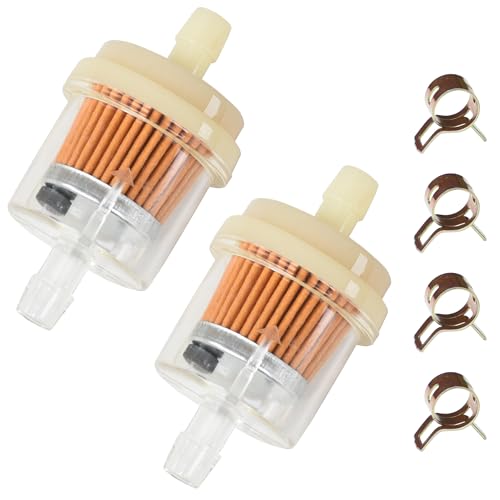
This is an OEM standards fuel filter kit. Compatible with 5065k Part Number: 84001895 493629 56002 794079 80025019 84001346 Troy-Bilt BS-691035 cub cadet 490190027.
Inspecting Fuel System
Start with the fuel system. Check the fuel level. If it’s low, fill the tank with fresh fuel. Use high-quality gasoline without ethanol, as it helps prevent engine issues. Next, inspect the fuel lines for clogs or leaks. Look for any signs of dirt or blockage in the fuel filter; if it’s dirty, replace it. Ensure the fuel lines are tightly connected.
Checking Electrical Connections
Next, check the electrical connections. Inspect all cables and connectors for any looseness or corrosion. Tighten any loose connections and clean corroded terminals with a wire brush. Make sure the generator isn’t overloaded; verify that the total wattage of connected appliances doesn’t exceed the generator’s capacity. If necessary, disconnect some devices to lighten the load.
Maintenance Tips
Proper maintenance keeps your Briggs and Stratton generator running smoothly and minimizes unexpected shutdowns. Focus on these essential aspects of maintenance.
Recommended Products

Genuine, OEM Briggs & Stratton Replacement Part

Briggs & Stratton 841856

GENUINE BRIGGS & STRATTON PART: Genuine OEM part designed for Briggs & Stratton engines, helping protect performance, fit and service reliability.
Regular Cleaning
Cleaning your generator enhances performance and longevity. Follow these steps for effective cleaning:
- Turn Off the Generator – Ensure the generator is completely off and cool before you start.
- Clean the Air Filter – Remove and inspect the air filter. If dirty, clean it with compressed air or replace it if necessary.
- Clear Debris – Remove dust, dirt, and debris from the exterior. Pay attention to vents and cooling fins to prevent overheating.
- Inspect Fuel Lines – Check fuel lines for blockages or leaks and clean or replace them accordingly.
Regular cleaning reduces the likelihood of clogs that can cause shutdowns.
Oil Changes
Changing the oil is vital for engine health. Follow this routine for optimal results:
- Check Oil Level – Use the dipstick to monitor oil levels. Top off if necessary.
- Change Oil Regularly – Replace the oil every 50 hours of operation or at least once a year, whichever comes first.
- Use the Right Oil – Use high-quality oil that meets manufacturer specifications. Refer to your owner’s manual for the correct type.
- Dispose of Oil Properly – After changing the oil, dispose of it at recycling centers that accept used oil.
Regular oil changes keep the engine lubricated and help prevent overheating, contributing to reliable performance.
When to Seek Professional Help
Sometimes, identifying and resolving issues with your Briggs and Stratton generator proves challenging. If troubleshooting efforts don’t work or if specific symptoms arise, seeking professional help becomes important. Look for the following indicators:
- Frequent Shutdowns: If your generator continues to shut off after performing basic checks, a deeper underlying issue exists.
- Unusual Noises: Listen for strange sounds like knocking or grinding during operation. These noises often signal mechanical problems.
- Smoke or Burning Smell: Any signs of smoke or unusual odors indicate serious issues. Address these immediately to prevent further damage.
- Fuel System Problems: If the fuel system shows persistent signs of blockage or contamination despite attempts to clean it, a professional inspection and repair may be necessary.
- Electrical Issues: Loose, frayed, or corroded wires that you can’t easily fix require expert attention. Professional electricians understand how to restore the safety and function of electrical components.
- Engine Failure: If the engine won’t start, or you notice problems like poor performance that you can’t diagnose, it’s time to consult a qualified technician.
- Warranty Coverage: If your generator is still under warranty, contacting the manufacturer or an authorized service technician can save you from voiding your warranty.
Seeking professional help can ensure your generator operates safely and efficiently. Qualified technicians offer expertise that can resolve complex issues quickly, providing peace of mind when you need reliable power.
Conclusion
Dealing with a Briggs and Stratton generator that keeps shutting off can be frustrating but you’re not alone. By taking the time to troubleshoot and maintain your generator, you can minimize unexpected shutdowns and ensure it runs smoothly when you need it most.
Remember to check the fuel system and electrical connections regularly. Staying on top of maintenance tasks like oil changes and cleaning can make a world of difference.
If you ever find yourself stuck despite your best efforts, don’t hesitate to reach out for professional help. Keeping your generator in top shape means you can enjoy peace of mind and reliable power whenever it’s needed.
Frequently Asked Questions
Why does my Briggs and Stratton generator keep shutting off unexpectedly?
A Briggs and Stratton generator may shut off unexpectedly due to fuel issues, electrical problems, or engine overload. Common causes include low fuel levels, clogged fuel lines, bad fuel, loose electrical connections, or using appliances that exceed the generator’s capacity.
How can I troubleshoot my generator if it keeps shutting off?
Begin by inspecting the fuel system—check fuel levels and filter for clogs. Next, examine electrical connections for looseness or corrosion. Finally, assess the total wattage of connected appliances to ensure you’re not overloading the generator.
What maintenance should I perform to prevent shutdowns?
Regular maintenance is key. Clean the air filter, change the oil every 50 hours or at least annually, and inspect fuel lines for blockages. Ensure the generator is free of debris and correctly maintained to uphold performance and reliability.
When should I seek professional help for my generator?
Seek professional help if your generator frequently shuts down, makes unusual noises, produces smoke, or experiences persistent fuel or electrical issues. Professional technicians can safely diagnose and fix complex problems, especially if your generator is under warranty.
What type of fuel should I use in my Briggs and Stratton generator?
Use high-quality gasoline without ethanol for optimal performance in your Briggs and Stratton generator. This helps prevent fuel-related issues like clogging and ensures smoother operation. Always check the fuel before use, especially after long periods of inactivity.

Hey, I’m Jake. I focus on cooling systems at Appliance Mastery, like fridges, freezers, and air conditioners.
I’ve worked in appliance repair for more than ten years and I’m certified through NASTeC. I’ve seen just about every fridge issue you can imagine.
My goal is to help you fix problems without stress. Whether it’s a freezer that won’t cool or an AC that keeps beeping, I’m here to walk you through it.