
Have you ever stepped into your camper’s shower only to be greeted by a blast of cold water? You’re not alone. Many campers face the frustrating issue of a water heater that just won’t heat up, leaving you shivering instead of enjoying a warm rinse after a long day outdoors.
Understanding why your camper’s water heater isn’t getting hot can save you from those unpleasant surprises. This article will guide you through common causes and simple fixes, helping you get back to enjoying hot showers and clean dishes. With a few tips and tricks, you’ll be ready for your next adventure without the chill.
Key Takeaways
- Common Causes: Ignition issues, power supply problems, and thermostat malfunctions are frequent reasons why camper water heaters do not heat water effectively.
- Troubleshooting Steps: Check the power source and propane supply, inspect the heating element, and verify connections for optimal performance.
- Maintenance: Regular inspections and annual cleaning help to ensure the water heater operates efficiently and prevents cold water issues during use.
- Winterization: Properly drain the water heater and add antifreeze to avoid damage during cold months.
- Upgrading Options: Consider tank, tankless, hybrid, gas, or electric water heaters for improved efficiency and performance in your camper.
- Enhanced Features: Upgraded water heaters can provide faster heating times, better reliability, and longer lifespan, improving your overall camping experience.
Common Reasons For A Camper Water Heater Not Getting Hot
Several factors can cause your camper’s water heater to produce cold water. Understanding these can help you troubleshoot effectively.
Recommended Products
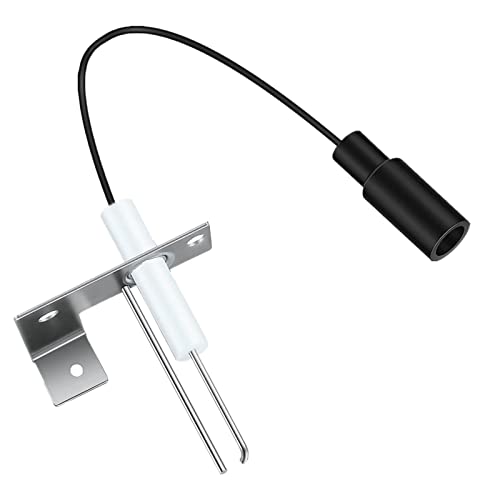
[ Water Heater Igniter with Spark Probe ]: the Rv Water Heater Replacement Parts is a Local Sense Electrode Spark Probe for Atwood Water Heaters , It is a Necessary Accessory for Safe Operation of RV Electric Water Heaters

🏆【Replacement Spare Part】Lrichy igniter electrode replacement part for Atwood water heaters RV water heater is an essential accessory for the safe operation of your RV water heater.

FITS MULTIPLE MODELS: This product is compatible with Atwood 93868 models, including GCH6-4E, GCH6-6E, GCH6-7E, GCH6A-10E, GC6AA-10E, GC6A-7E, GH6-3E, GH6-4E, GH6-6E, GH6-7E, GH6-8E, G6A-2E, G6A-3E, G6A-4E, G6A-8P, G6A-6E, G6A-7E, G6A-8E, GCH6A-7E, GCH6A-8E, GCH6A-9E, GC6AA-7E, GC6AA-8E, GC6AA-9E, GCH10A-2E, GCH10A-3E, GC10A-2E, GC10A-3E, G10-1E, GH10-1E, G610-3E, GH610-3E, G10-2E, G10-3E, GC10-1E, GC10-2E, GH10-2E, GH10-3E, GC10A-4E, GCH10A-4E, and XT 6 & 10-gallon spark ignition models.
Ignition Issues
Ignition issues often lead to cold water problems. If you’re using a propane water heater, check the gas supply. Confirm that the tank has fuel and that valves are fully open. Inspect the igniter for functionality; if it’s faulty, replace it. If you hear no clicking sound during ignition, that’s a sign of a problem with the igniter or control circuit.
Power Supply Problems
Power supply problems can disrupt heater operation. Inspect the electrical connections to the water heater. Ensure the circuit breaker hasn’t tripped and the fuse hasn’t blown. If your heater runs on AC power, check for a working outlet. For battery-powered systems, make sure the battery is charged and properly connected.
Thermostat Malfunctions
Thermostat malfunctions can prevent the water heater from reaching the desired temperature. Test the thermostat setting; it might be too low. Look for signs of wear or damage on the thermostat. If it appears defective, replace it with a compatible unit to restore proper functionality. A thermostat that cannot accurately sense water temperature will lead to consistently cold water.
By addressing these common issues, you can often restore hot water to your camper.
Troubleshooting Steps
Follow these troubleshooting steps to identify and resolve issues with your camper’s water heater not getting hot.
Recommended Products

DUAL-STAGE DESIGN maintains constant gas pressure under changing demands and conditions; 1st and 2nd stages ensure a smoother, more consistent flow of propane gas to all RV appliances

Uninterrupted Propane Supply: Automatically switches from the service tank to the reserve tank so cooking, heating, and hot water continue without interruption in your RV, camper, or travel trailer

【Upgraded Propane extension Hose】4ft Stainless Steel Braided Perfect fit travel trailer Propane Hose Assembly, 3/8" ID Hose Assembly including a 3/8" MNPT x 1/2" Female Flare Swivel, and come with 1/2'' Male Flare x 3/8'' Female Flare adapter fitting. Meet your device-end requirements 3/8'' female flare usage
Checking the Power Source
- Inspect the Circuit Breaker: Ensure the circuit breaker connected to the water heater is operational. Reset it if it’s tripped.
- Examine Electrical Connections: Check for any loose or corroded wires at the connections. Tighten or clean as necessary.
- Test the Fuse: If applicable, replace any blown fuses. Use a multimeter to confirm functionality.
- Verify Power Switch: Ensure the power switch for the water heater is in the “on” position.
Inspecting the Propane Supply
- Check the Propane Tank: Confirm that the propane tank is full. A low tank often results in insufficient fuel.
- Examine the Regulator: Ensure the propane regulator is working. Replace it if it appears damaged or frozen.
- Inspect the Hoses: Look for any leaks or cracks in the propane hoses. Replace any damaged hoses immediately.
- Test the Burners: Light the propane burners to check if they ignite properly, indicating an adequate fuel supply.
- Access the Heating Element: Locate the heating element, usually found inside the water heater’s access panel.
- Conduct a Visual Inspection: Look for any signs of corrosion or physical wear. Replace the element if it shows damage.
- Test with a Multimeter: Use a multimeter to check for continuity in the heating element. Replace if it lacks continuity.
- Ensure Proper Voltage: Confirm that the heating element is receiving the correct voltage by measuring it with a multimeter.
By taking these steps, you can efficiently troubleshoot the problems with your camper’s water heater and restore hot water for your needs.
Maintenance Tips
Maintaining your camper’s water heater ensures it operates efficiently. Follow these essential practices to avoid cold water issues.
Regular Inspection
Inspect your water heater routinely. Look for signs of wear, leaks, or corrosion. Check the following:
- Connections: Examine gas and water connections. Ensure they’re tight and free of leaks.
- Wires: Look for frayed or damaged wires. Replace any that show signs of wear.
- Thermostat: Test the thermostat’s accuracy. An inaccurate thermostat can lead to inadequate heating.
Cleaning and Flushing
Clean your water heater at least once a year. Flushing it removes sediment build-up that can affect performance. Follow these steps:
- Turn Off Power: Disconnect power to the water heater.
- Close Valves: Shut off the water supply and close the drain valve.
- Attach Hose: Connect a garden hose to the heater’s drain valve.
- Flush System: Open the drain valve and let water flow through the hose until it runs clear. This removes sediment.
- Reconnect and Reopen: After flushing, close the drain valve, remove the hose, and turn the water supply back on.
Winterization Practices
Proper winterization prevents damage during cold months. Prepare your water heater with these steps:
- Drain the Tank: Completely drain the tank to avoid freezing.
- Add Antifreeze: Pour RV-approved antifreeze into the plumbing system, ensuring it reaches all taps.
- Insulate: Wrap your water heater with insulation or blankets to provide extra protection against the cold.
By following these maintenance tips, you can keep your camper’s water heater functioning properly for all your outdoor adventures.
Upgrading Your Camper Water Heater
Upgrading your camper water heater enhances performance and provides a more reliable hot water supply. Opting for the right type of heater can make all the difference in comfort during your trips.
Recommended Products
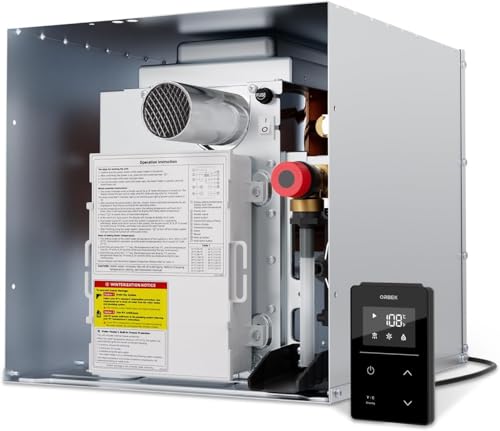
𝐈𝐧𝐬𝐭𝐚𝐧𝐭 𝐇𝐨𝐭 𝐖𝐚𝐭𝐞𝐫 𝐒𝐮𝐩𝐩𝐥𝐲: Orbek delivers 60,000 BTU of heat output per minute, making it ideal for meeting the demands of busy RV families. The tankless water heater features a burner that activates only when hot water is needed—such as for showers, dishwashing, or handwashing—thereby conserving energy. Unlike tank-type water heaters, there's no waiting for water to heat up, and no need for frequent anode rod replacements

INSTANT & ENDLESS HOT WATER: This RV tankless water heater delivers up to 3.9 GPM and heats water in just 3 seconds, with precise ±1°F temperature control for consistent, continuous showers — no waiting, no cold bursts.
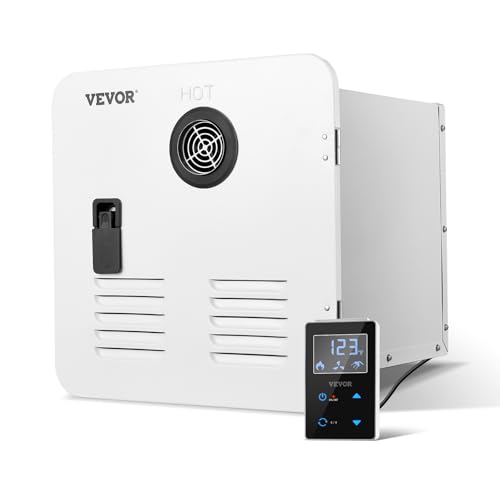
Rapid Instant Heating: The RV water heater offers 42,000 BTU of high power, delivering hot water quickly to meet your needs for showering, dishwashing, and more.
Types of Water Heaters
- Tank Water Heaters
Tank water heaters store a specific volume of water, typically ranging from 6 to 10 gallons. This type provides hot water on demand, making it suitable for small campers. - Tankless Water Heaters
Tankless water heaters heat water only as needed. Installation saves space, often offering endless hot water. Popular models suit various camper sizes and budgets. - Hybrid Water Heaters
Hybrid models combine tank and tankless features. They provide fast heating while retaining water storage capabilities, balancing efficiency and performance. - Gas Water Heaters
Gas water heaters run on propane, delivering heat quickly. This option is generally efficient for campers using propane for other systems. - Electric Water Heaters
Electric models run on electricity, ideal for campgrounds with power access. They can be easier to install and maintain than gas options.
- Improved Efficiency
Upgraded heaters typically operate at higher efficiency ratings. This change reduces energy consumption and saves money on fuel or electricity. - Faster Heating
Newer technology provides quicker heat-up times, letting you enjoy hot showers without long waits. - Space-Saving Designs
Modern models offer compact designs, freeing up valuable space in your camper. This extra room can enhance storage or living areas. - Enhanced Features
Many upgraded models incorporate advanced features like digital thermostats and remote control options, allowing for precise temperature adjustments. - Better Reliability
New heaters are less likely to malfunction compared to older models. Reliable hot water access increases comfort during your trips. - Longer Lifespan
Updating your water heater often results in longer-lasting performance. Newer components withstand wear and tear, reducing replacement frequency.
Focusing on these types and benefits can help you make informed decisions when considering an upgrade to your camper water heater.
Conclusion
Dealing with a camper water heater that won’t get hot can be frustrating but you don’t have to let it ruin your outdoor experience. By following the troubleshooting steps and maintenance tips outlined, you can quickly identify the issue and get back to enjoying warm showers and clean dishes.
If you find that your current water heater isn’t meeting your needs, consider exploring upgraded options that offer improved efficiency and reliability. With the right approach, you’ll ensure your camper’s hot water system is ready for every adventure. Happy camping!
Frequently Asked Questions
What causes cold water in camper showers?
Cold water in camper showers often results from malfunctioning water heaters. Common issues include ignition problems, power supply failures, and thermostat malfunctions. These can prevent the water heater from reaching the desired temperature.
How can I fix ignition issues in my camper’s water heater?
To resolve ignition issues, check the gas supply and ensure the igniter is functioning properly. Make sure the propane tank is full and that the regulator is working effectively.
What should I inspect for power supply problems?
Inspect electrical connections, confirm the circuit breaker is on, and check fuses for any damage. Verifying that the power switch is on is also crucial for ensuring the heater gets power.
How do I troubleshoot a faulty thermostat?
To troubleshoot a thermostat, test its accuracy with a multimeter and check for any signs of wear or damage. If it’s not functioning correctly, consider replacing it to restore hot water.
What regular maintenance does my camper water heater need?
Regular maintenance includes inspecting for leaks and corrosion, checking gas and water connections, and ensuring the thermostat’s accuracy. Flushing the heater annually helps remove sediment build-up to maintain efficiency.
How can winterize my camper’s water heater?
To winterize, drain the tank, add RV-approved antifreeze, and insulate the water heater. This helps prevent damage during cold months and keeps the system functioning well.
What are the benefits of upgrading my camper’s water heater?
Upgrading to modern water heaters can improve efficiency, provide faster heating, and save space. New models often include advanced features like digital thermostats, enhancing both reliability and lifespan.

Hey, I’m Jake. I focus on cooling systems at Appliance Mastery, like fridges, freezers, and air conditioners.
I’ve worked in appliance repair for more than ten years and I’m certified through NASTeC. I’ve seen just about every fridge issue you can imagine.
My goal is to help you fix problems without stress. Whether it’s a freezer that won’t cool or an AC that keeps beeping, I’m here to walk you through it.