
Have you ever been ready to enjoy a hot shower after a long day of camping only to find your camper’s water heater won’t light? You’re not alone. This frustrating situation can turn a relaxing trip into a hassle, leaving you wondering what went wrong.
Key Takeaways
- Understanding Water Heater Types: Familiarize yourself with tankless and storage tank water heaters to address their specific issues effectively.
- Common Ignition Issues: Know that clogged burners, faulty igniters, or incorrect settings are frequent culprits in ignition problems.
- Regular Maintenance: Conduct annual flushes, check seals and hoses, and ensure proper ventilation to prevent potential issues.
- Troubleshooting Steps: Start by checking the propane supply, inspecting electrical connections, and assessing thermostat settings to resolve lighting problems.
- Safety First: Always prioritize safety when troubleshooting; if you’re unsure, consult a professional, especially if gas leaks are suspected.
- Proactive Inspections: Regularly inspect all components of your water heater to catch potential issues early and ensure optimal performance.
Overview of Camper Water Heaters
Camper water heaters provide essential hot water for cooking, cleaning, and bathing. Understanding how they function helps identify problems and ensure they operate efficiently.
Types of Camper Water Heaters
- Tankless Water Heaters: Deliver hot water on demand without storing it. They save space and energy by heating water directly as needed.
- Storage Tank Water Heaters: Store hot water in a tank. They provide a large volume of hot water at once but take up more space and typically consume more energy.
Common Features
- Bypass Valves: Allow for easy maintenance and winterization.
- Ignition Systems: Use either a pilot light or electronic ignition for starting the heating process.
Troubleshooting Tips
- Check Power Supply: Ensure that your propane tank is full or that you’re plugged into a power source.
- Inspect Connectors: Look for any loose or damaged wiring and ensure connections are secure.
- Review Control Settings: Verify that the heater is set to the appropriate temperature and mode.
- Examine the Thermostat: If the water doesn’t heat, the thermostat might need adjustment or replacement.
Maintenance Best Practices
- Flush the Tank: Keep mineral buildup from affecting performance by flushing the tank annually.
- Inspect Ventilation: Ensure vents are clear of debris to allow proper air flow for combustion.
- Check Seals and Hoses: Look for any leaks or cracks that may impair functionality.
- What causes the water heater not to light?: Clogged burners, faulty igniters, or incorrect settings often cause ignition issues.
- Is it safe to troubleshoot yourself?: If you’re comfortable with basic repairs and safety procedures, you can troubleshoot. Otherwise, consult a professional.
Familiarizing yourself with these aspects of camper water heaters can streamline maintenance and enhance your camping experience.
Common Causes for Camper Water Heater Not Lighting
Camper water heaters can face multiple issues that prevent ignition. Understanding these common causes helps you troubleshoot and restore hot water quickly.
Recommended Products

🏆【Replacement Spare Part】Lrichy igniter electrode replacement part for Atwood water heaters RV water heater is an essential accessory for the safe operation of your RV water heater.

【Compatibility】Replace part number sp14410 / 145-1410. The water heater igniter is compatible with Rheem & Reliance gas water heaters, fits for Whirlpool water heaters and Bradford White newer water heaters (2024).

🏆【Replacement Spare Part】Lrichy Jade thermocouple igniter electrode replacement part for Atwood/Dometic Pilot water heaters. It includes a gas tube (pilot light) to ignite the main burner and a thermocouple. When heated, the thermocouple sends an electric signal to the gas control, allowing propane flow to the main burner.
Ignition Issues
Ignition problems often stem from faulty igniters or components. Check the igniter for dirt or corrosion, which can interrupt the spark needed for ignition. Ensure the pilot light assembly is clean and unobstructed. If your system has a DSI (direct spark ignition), examine the electronic module and wiring for potential faults. Replacing the igniter may solve the issue if you notice physical damage or wear.
Gas Supply Problems
Gas supply issues frequently prevent the water heater from lighting. Start by confirming that the propane tank has enough fuel. Inspect the gas lines for leaks or kinks that can disrupt flow. Ensure all valves are open and not obstructed. If you smell gas or detect a leak, prioritize safety. Shut off the gas supply and contact a professional for repairs. Regularly check gas connections to maintain a reliable supply.
Electrical Supply Malfunctions
Electrical supply problems can inhibit your water heater from functioning. First, check the circuit breakers or fuses for tripped circuits or blown fuses. Ensure the water heater receives proper voltage; inadequate voltage can prevent it from igniting. Inspect wiring and connections for looseness or corrosion. If your heater has a control panel, examine it for any error codes or faults. Addressing these issues can restore power and functionality to the heater.
Troubleshooting Steps
Follow these steps to diagnose and fix your camper water heater lighting issues. Each step aims to get your hot water flowing again.
Recommended Products
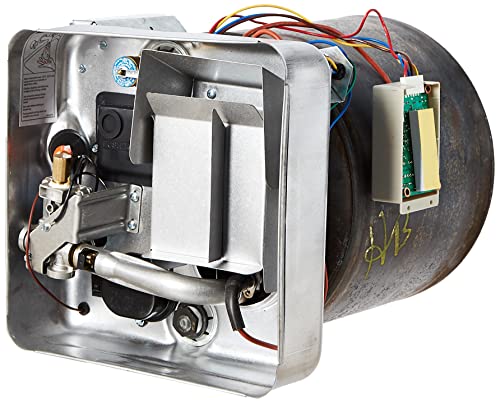
DURABLE CONSTRUCTION: Engineered with a porcelain-lined steel tank, the Suburban 6 Gallon Tank Water Heater is designed for durability, mimicking the longevity of residential tank water heaters, ensuring years of reliable hot water.
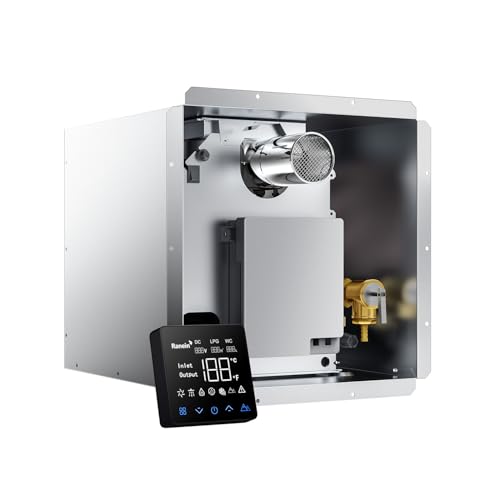
𝐈𝐧𝐬𝐭𝐚𝐧𝐭 𝐂𝐨𝐧𝐭𝐢𝐧𝐮𝐨𝐮𝐬 𝐇𝐨𝐭 𝐖𝐚𝐭𝐞𝐫 — 𝐌𝐨𝐫𝐞 𝐏𝐨𝐰𝐞𝐫, 𝐌𝐨𝐫𝐞 𝐅𝐥𝐨𝐰: Powered by a 65,000 BTU high-output burner, this unit heats water faster than lower-BTU RV heaters, delivering stable temperatures even in cold weather. With up to 3.9 GPM, it provides stronger flow and pressure than low-flow models, supporting simultaneous faucet use without drop-off. Higher BTU and GPM ensure longer, uninterrupted showers with fewer temperature swings. Precision control from 95°F–124°F and staged combustion improve efficiency, prevent summer overheating, and extend propane runtime—ideal for RV families needing reliable hot water.

𝐈𝐧𝐬𝐭𝐚𝐥𝐥𝐚𝐭𝐢𝐨𝐧 𝐚𝐧𝐝 𝐂𝐨𝐦𝐩𝐚𝐭𝐢𝐛𝐢𝐥𝐢𝐭𝐲: Designed for most 4–6 gallon RV water heater cutouts. Product dimensions are 21" × 12.7" × 12.7". Installation requires at least 3" additional depth for pipe connection space. Standard 1/2" NPT water connections are used, and gas line connection is recommended with flexible hoses
Checking the Propane Tank
- Inspect the propane level: Confirm there’s enough propane in the tank. Low fuel reduces pressure, affecting ignition.
- Verify the connections: Check for loose or damaged connections at the tank. Tighten or replace them as needed.
- Look for leaks: Spray a soap and water solution on the fittings to identify bubbles, which indicate a leak. If you find one, turn off the propane and repair or replace the faulty component.
Inspecting Electrical Connections
- Examine the power supply: Ensure the water heater’s power switch is on. If it runs on a battery, confirm the battery is charged.
- Check wiring and connectors: Inspect all electrical connections for corrosion or damage. Clean terminals and replace damaged wires to improve conductivity.
- Test the circuit breaker: Look for tripped breakers in your RV’s electrical panel. Reset any that are off.
- Assess the thermostat settings: Ensure it’s set correctly for your desired water temperature. Adjust if necessary.
- Inspect control panels: Review for error codes or warning lights. Consult your owner’s manual for specific indicators.
- Reset the system: For complex systems, reset the control panel to clear temporary malfunctions. Follow the manufacturer’s instructions on resetting the device.
By systematically following these steps, you can identify and potentially resolve the issues preventing your camper water heater from lighting.
Maintenance Tips
Keeping your camper’s water heater in top shape prevents frustrating lighting issues. Regular maintenance ensures optimal performance and extends the life of your unit.
Recommended Products
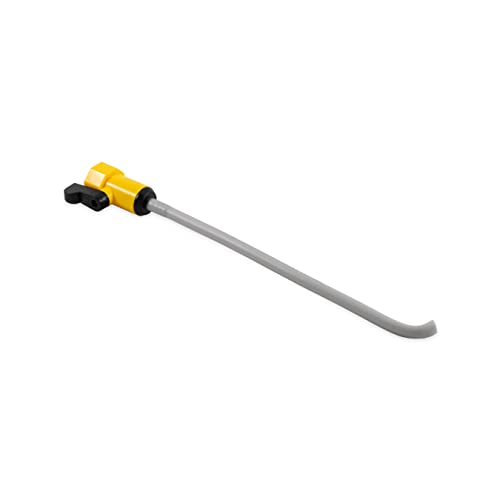
Extends the Life of Your Water Heater: The tank rinser lifts sediment that collects at the bottom of water heaters and flushes it out. This Camco RV accessory is compatible with residential and camper water heaters.
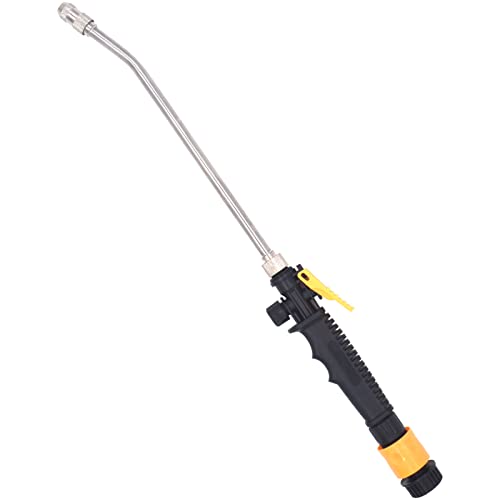
METAL TUBE: made of sturdy stainless steel metal pipe and non-slip rubber handle, ensuring durability, anti-corrosion, reliability and a long service life. The bending tip can easily reach all the spots in your water heater and chase the residue out.

🚙 RV WATER HEATER CLEANING KIT: You will receive 1*RV water heater flush wand, 2* RV water heater anode rods, 1* Teflon tape, and 1* hex sleeve. The RV flush wand quickly removes sediment and scale from the bottom of your RV water heater, providing peace of mind for your water heater and for your water environment . Note: Be sure to turn off your water heater before you are ready to clean the water tank!
Regular Inspections
Inspect your water heater regularly to catch potential problems early. Check the following components:
- Connections: Ensure gas and electrical connections are secure and free from corrosion.
- Ventilation: Confirm that the ventilation system is clear of obstructions. Proper airflow is crucial for safe operation.
- Seals and Hoses: Examine seals and hoses for any signs of wear or leaks. Replace damaged parts promptly to avoid further issues.
Cleaning the Burner Assembly
Cleaning the burner assembly is essential for accurate ignition and efficient operation. Follow these steps:
- Turn Off All Supplies: Before starting, turn off the gas supply and power to the heater for safety.
- Access the Burner: Remove the cover of the burner assembly. Refer to your manual if you’re unsure how to access it.
- Remove Debris: Use a soft brush or vacuum to clear any debris or buildup around the burner. Pay special attention to small openings.
- Check for Blockages: Inspect the burner for clogs. If necessary, use a small wire to clear any obstructed jets or ports.
- Reassemble: After cleaning, reattach the burner cover and restore power and gas supplies. Test the ignition to ensure everything works smoothly.
By following these maintenance tips, you can enjoy a consistently reliable hot water supply during your camping adventures.
Conclusion
Dealing with a camper water heater that won’t light can be frustrating but you’re not alone in this. By staying proactive with maintenance and following the troubleshooting steps outlined, you can tackle most issues before they become major headaches.
Remember to check your fuel levels and connections regularly to keep everything running smoothly. If you ever feel uncertain about fixing something yourself don’t hesitate to reach out to a professional.
With a little attention and care your water heater can provide the hot showers and comfort you need to enjoy your camping adventures to the fullest. So get out there and make the most of your outdoor experiences!
Frequently Asked Questions
What are the main types of camper water heaters?
Camper water heaters come in two main types: tankless and storage tank heaters. Tankless models provide hot water on demand and save space, while storage tank heaters hold a larger volume of hot water but take up more space and consume more energy.
Why is my camper water heater not lighting?
A camper water heater may not light due to ignition issues, gas supply problems, or electrical supply malfunctions. Common causes include faulty igniters, low fuel levels, tripped circuit breakers, or inadequate voltage.
How can I troubleshoot my camper water heater?
Start by checking the power supply and connections. Inspect the propane tank for fuel levels, examine control settings, and check for error codes on the control panel. Resetting the system and ensuring proper thermostat settings may also help.
What maintenance should I perform on my camper water heater?
Regular maintenance includes flushing the tank, inspecting gas and electrical connections, checking seals and hoses, and cleaning the burner assembly. These steps can help prevent lighting issues and ensure efficient operation.
When should I consult a professional for my water heater problems?
If troubleshooting steps do not resolve the issue or if you encounter gas leaks or complicated electrical problems, it’s best to consult a professional. Safety should always be a priority when dealing with gas and electrical appliances.

Hey, I’m Jake. I focus on cooling systems at Appliance Mastery, like fridges, freezers, and air conditioners.
I’ve worked in appliance repair for more than ten years and I’m certified through NASTeC. I’ve seen just about every fridge issue you can imagine.
My goal is to help you fix problems without stress. Whether it’s a freezer that won’t cool or an AC that keeps beeping, I’m here to walk you through it.