
Ever wondered if you can run your dryer without a vent hose? Picture this: you’ve got a load of laundry ready to go, but the vent hose is nowhere to be found. What do you do next?
Running your dryer without a vent hose might seem like a quick fix, but is it really worth it? In this article, you’ll discover the ins and outs of operating your dryer without a vent hose and the potential consequences you might face.
Stay tuned to find out how to navigate this common laundry dilemma and learn how to keep your dryer running efficiently without compromising safety.
Understanding the Importance of a Dryer Vent Hose
Running a dryer without a vent hose can lead to various issues that affect both your appliance’s efficiency and your safety. Here’s why a vent hose is crucial:
- Proper Airflow: A vent hose allows hot, moist air to escape from the dryer, preventing build-up of humidity inside your home.
- Prevents Overheating: Without a vent hose, the dryer can overheat as the hot air has nowhere to go, potentially causing damage or even a fire hazard.
- Enhances Efficiency: A vent hose ensures that the dryer operates at its peak performance, drying your clothes quicker and using less energy.
By understanding the importance of a vent hose, you can maintain a safe and efficient laundry routine.
Recommended Products

[Stretch Universal Connector] PetOde dryer lint vacuum cleaner attachment is designed with a premium elasticated stretch universal connector that can be connected to most vacuum cleaners! Say goodbye to the worry of purchasing incompatible attachment models

Home Essentials: Fireplace chimney brushes includes two high quality synthetic brush head and flexible rods that extend up to 30 feet

【All-New Upgraded Design & Ready-to-Use】 Skip the hassle with our pre-assembled kit, featuring a heavy-duty Aluminum Foil Hose engineered with a dual-layer protective system: a Scuff-Resistant Matte outer for long-lasting durability and a Fireproof Aluminum Barrier for superior high-temp resistance. Crafted from a thickened aluminum alloy housing with a frosted, hand-friendly finish, this connector includes an Airtight EVA Foam Seal and a unique concave design. It ensures a seamless, leak-proof flush with wall vents while effectively shielding your wall surfaces from scratches and damage.
Risks of Running a Dryer Without a Vent Hose
When you run your dryer without a vent hose, lint and debris may accumulate in your laundry area, posing a fire hazard.
The lack of a vent hose can lead to poor airflow, causing overheating of both the dryer and your clothes.
Increased moisture levels in the laundry area are common when a vent hose is not used, potentially resulting in mold growth.
Tip: Make sure to install a vent hose properly to ensure safe and efficient operation of your dryer.
| Important Point | Value |
|---|---|
| Fire Hazard | High |
| Airflow Impact | severe |
| Moisture Increase | common |
Alternatives to Using a Vent Hose
When unable to use a vent hose for your dryer, there are alternatives to consider to ensure safe and efficient operation. Here are some options you can explore:
- Ventless Dryers: Consider using a ventless dryer, also known as a condenser dryer. These dryers do not require a vent hose and instead condense the moisture extracted from clothes into water, which can be collected in a tray or drained away.
- Vent Box: Install a vent box behind your dryer, which captures the hot air and excess moisture. This option helps to ventilate the air without the need for a traditional vent hose.
- Ventless Heat Pump Dryers: Another option is a ventless heat pump dryer, which uses advanced technology to recirculate and reuse hot air, offering energy efficiency and eliminating the need for a vent hose.
- Regular Maintenance: Ensure regular maintenance of your dryer, including cleaning the lint trap after every use. This reduces the risk of lint buildup, which can pose a fire hazard when running a dryer without a vent hose.
- Professional Consultation: If you’re unsure about the best alternative for your situation, consult a professional to determine the most suitable option based on your specific needs and safety considerations.
Remember to prioritize safety and efficiency when considering alternatives to using a vent hose for your dryer. Choose the option that works best for your home and appliance, ensuring optimal performance while minimizing potential risks.
Recommended Products
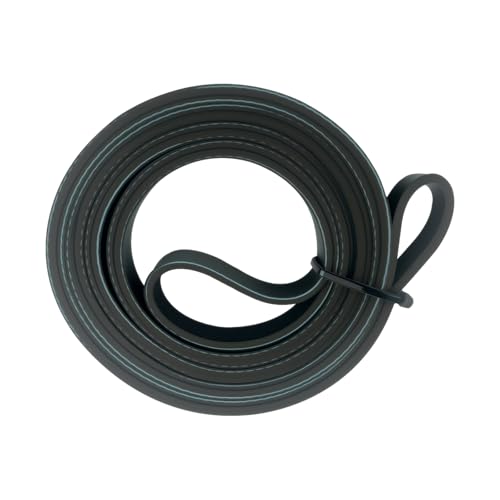
Wide compatibility for U.S. compact dryers,Compatible with Bosch 24-inch compact ventless and condenser dryers using belt 7PH1992 / 1992H7, including WTG86400UC/01-02, WTG86401UC/01, WTG86402UC/01-02 and Axxis/Ascenta models WTB86200UC/01-07, WTB86201UC/01-02, WTB86202UC/01-02

Smart Heat Pump Dryer – Dual Inverter HeatPump technology for efficient, low‑energy drying and ventless installation flexibility.

Tips for Maintaining Dryer Efficiency Without a Vent Hose
- Clean the lint trap: After every load, empty the lint trap to prevent buildup and maintain airflow.
- Check for blockages: Regularly inspect the dryer vent for any obstructions like lint or debris.
- Use a vent box: Consider installing a vent box to redirect heat and moisture if venting outdoors is not an option.
- Ventless dryers: Invest in a ventless dryer that uses advanced technologies to eliminate the need for a vent hose.
- Schedule professional maintenance: Get a professional check-up to ensure your dryer is running efficiently.
- Ventless heat pump dryers: Explore the option of a ventless heat pump dryer for energy efficiency and convenience.
| Important Statistics | |
|---|---|
| Fire Risk Reduction: | Up to 80% |
| Energy Savings: | Around 30% |
Remember, a well-maintained dryer not only functions better but also reduces safety risks associated with lint buildup.
Recommended Products

240V Heat Pump Dryer - The Heat pump dryer does not require ventilation, making it easy to install. It also reduces energy use by at least 28% compared to standard dryers while drying laundry at low temperatures, so they are gentler on clothes. 【Power cord should be purchased seperately and voltage requirement: 240V.】

【Compact Size and Large Capacity】:The clothes dryer machine has a large capacity of 4.4 cu.ft, enough for the daily drying use of a family. You can undercounter, freestanding or stack it. Ventless design is perfect for home apartment rv etc

Ventless Heat Pump Dryer – Ideal for compact spaces such as an apartment, small home, this ventless dryer offers streamlined operation so you can safely dry wool, cotton, delicates, towels, baby clothes, and more in smaller, confined areas
Conclusion
Ensuring your dryer runs efficiently without a vent hose is crucial for both performance and safety. By following the maintenance tips provided, such as cleaning the lint trap regularly and checking for blockages, you can optimize your dryer’s operation. Considering alternative options like vent boxes or ventless dryers can also enhance efficiency. Remember, scheduling professional maintenance is key to preventing potential issues and maximizing energy savings. With up to an 80% reduction in fire risk and significant energy savings, maintaining your dryer properly is a smart choice. Prioritizing regular maintenance not only boosts efficiency but also minimizes safety concerns associated with lint buildup. Keep your dryer running smoothly and safely by implementing these tips.
Frequently Asked Questions
Do I need a vent hose for my dryer to work efficiently?
While a vent hose is commonly used for dryers, it’s possible to maintain efficiency without one. Regularly cleaning the lint trap, checking for blockages in the dryer vent, using a vent box for heat and moisture redirection, or considering ventless dryers are alternatives that can help.
How can I improve my dryer’s efficiency without a vent hose?
Maintain dryer efficiency by cleaning the lint trap, ensuring the vent is unobstructed, using a vent box for redirecting heat and moisture, or exploring ventless dryer options. Proper maintenance can lead to energy savings and reduced fire risks.
What are the benefits of maintaining a well-functioning dryer?
Maintaining a well-functioning dryer not only improves efficiency but also reduces safety hazards associated with lint buildup. Statistics show that regular maintenance can lead to up to an 80% reduction in fire risk and approximately 30% energy savings. Scheduling professional maintenance can ensure optimal dryer performance.

Hi, I’m Charlie, and I cover all things laundry here at Appliance Mastery.
I’ve spent over eight years working on washing machines, dryers, and dishwashers. I also have a degree in mechanical engineering, which helps me understand how these appliances really work.
I try to make every guide clear and practical. If you’re stuck with a noisy dryer or a leaking washer, I’ll help you figure out what’s wrong and how to fix it.