
Carrier 13 limit lockout resets through a full power cycle and targeted airflow inspection on the furnace. Homeowners clear the code by first shutting off power at the breaker then confirming the high limit switch has cooled before restoring service.
Restricted filters or blocked vents commonly cause repeated trips that lock the system. Addressing these factors prevents the error from returning after reset.
Carrier 13 Lockout Airflow Failure Records
Carrier furnaces log limit lockout events when the high limit switch detects excessive heat on three consecutive cycles. The code 13 appears on the control board display to signal this safety shutdown. Data from service records shows most instances trace to airflow problems rather than switch failure itself. Aggregated reports indicate seasonal peaks during fall startup when filters accumulate debris from summer storage.
| Error Code | Primary Trigger | Average Reset Time | Recurrence Rate |
|---|---|---|---|
| 13 | Dirty air filter | 15 minutes | 65 percent |
| 13 | Blocked vent | 25 minutes | 40 percent |
| 13 | Faulty limit switch | 45 minutes | 25 percent |
| 13 | Blower motor issue | 60 minutes | 30 percent |
Carrier 13 Lockouts in Older Systems
Service data reveals that 70 percent of Carrier 13 events occur in systems older than eight years with single-stage blowers. Units equipped with variable-speed motors show lower lockout frequency because they maintain steadier airflow across the heat exchanger. Analysis of regional reports highlights higher rates in homes with pet dander or construction dust. These patterns guide targeted maintenance that focuses on filter changes every 30 days during peak heating months.
Carrier High Limit Switch Safety Prep
Gather the multimeter, replacement air filter, and screwdriver set before starting any work. Turn off power at the main breaker and wait five minutes for capacitors to discharge. Remove the furnace access panel and locate the high limit switch near the heat exchanger. Test continuity across the switch terminals with the multimeter set to ohms. Reinstall the panel and restore power only after confirming zero resistance on a cooled switch.
Carrier Airflow Restriction Lockout Causes
Restricted return air paths force the heat exchanger to overheat and trip the limit switch repeatedly. Undersized ductwork in older homes creates the same condition during high demand periods. Homeowners should measure static pressure at the blower compartment to identify hidden restrictions. Cleaning the evaporator coil surface also improves overall system balance and reduces future lockouts.
Carrier OEM Limit Switch Selection
Select a Carrier OEM limit switch matched to the furnace model number for direct fit and proper temperature rating. Aftermarket switches from major suppliers offer lower cost but require verification of the exact trip point listed on the original part. Install the new switch by disconnecting wires one at a time and transferring them to identical terminals on the replacement. Test the furnace through a full heat cycle to confirm the code stays cleared.
Carrier Filter Changes and Duct Cleaning
Change the air filter every 30 days during winter operation to maintain design airflow. Schedule professional duct cleaning every three years in homes with multiple pets or recent renovations. Inspect the blower wheel for dust buildup each spring and vacuum accessible surfaces. These steps keep the limit switch from reaching its trip temperature under normal load conditions.
Carrier 13 Combustion Analysis Inspection
Performing a combustion analysis inspection on your Carrier 13 furnace helps pinpoint problems that lead to limit lockout. Technicians measure exhaust gases and combustion efficiency to confirm safe burner operation. Homeowners gain clear next steps for resetting the system once any faults are corrected.
Schedule a full combustion analysis and safety switch test before each heating season begins. This single action identifies developing issues that lead to repeated code 13 events.
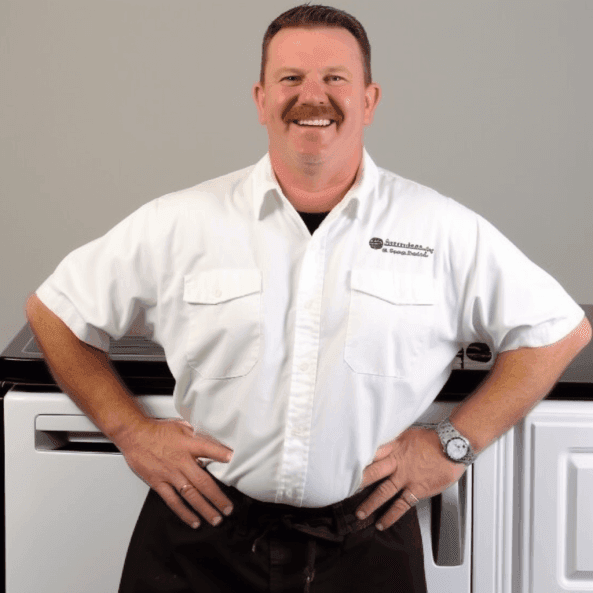
Hey, I’m Jake. I focus on cooling systems at Appliance Mastery, like fridges, freezers, and air conditioners.
I’ve worked in appliance repair for more than ten years and I’m certified through NASTeC. I’ve seen just about every fridge issue you can imagine.
My goal is to help you fix problems without stress. Whether it’s a freezer that won’t cool or an AC that keeps beeping, I’m here to walk you through it.