
Have you ever noticed your dehumidifier not draining into the hose like it should? It can be frustrating when you rely on it to keep your space comfortable and dry. You might find yourself dealing with water buildup or constant emptying of the tank instead.
Don’t worry, you’re not alone in this. Many people encounter this issue, and it often has simple solutions. In this article, you’ll discover common reasons why your dehumidifier isn’t draining properly and how to fix them. With a little troubleshooting, you can get your unit back on track and enjoy a drier, more pleasant environment.
Key Takeaways
- Understanding Dehumidifiers: Familiarize yourself with how dehumidifiers work, including air intake, cooling coils, water collection, and dry air release, to better diagnose drainage issues.
- Common Drainage Issues: Recognize that problems can arise from hose connections, kinks, clogs, and malfunctioning pumps, impacting the unit’s ability to drain properly.
- Signs of Problems: Keep an eye out for water accumulation, full tank alerts, unusual noises, and persistently high humidity levels as indicators of drainage issues.
- Troubleshooting Steps: Inspect the drain hose, check the water tank seating, clean filters, and verify the pump functionality to resolve drainage problems effectively.
- Preventive Measures: Ensure proper installation with level placement and correct hose setup while performing regular maintenance like cleaning the tank, inspecting the hose, and changing filters to maintain optimal performance.
Understanding Dehumidifiers
Dehumidifiers play a crucial role in maintaining indoor air quality by removing excess moisture from the air. Understanding their operation and components can help you troubleshoot issues like drainage problems effectively.
How Dehumidifiers Work
Dehumidifiers operate by drawing in humid air, cooling it to condense moisture, and collecting the water in a tank or routing it through a hose. The process typically involves these steps:
- Air Intake: The fan pulls warm, humid air into the dehumidifier.
- Cooling Coils: The air passes over cold coils, where moisture condenses into water droplets.
- Water Collection: The water collects in a tank or is directed through a hose for drainage.
- Dry Air Release: The dehumidified air is then heated slightly and released back into the room.
Understanding this cycle can help identify where drainage issues occur in your unit.
Common Components of Dehumidifiers
Several components contribute to the effective functioning of dehumidifiers. Familiarity with these parts can aid in diagnosing problems:
- Compressor: Compresses refrigerant to cool the coils.
- Fan: Circulates air through the unit.
- Cooling Coils: Responsible for condensing moisture from the air.
- Water Tank: Stores collected water if not drained externally.
- Drain Hose Connection: Routes water away from the unit for continuous drainage.
Knowing these components allows you to inspect your dehumidifier easily for any potential issues, such as a blocked hose or a malfunctioning pump.
Common Issues with Dehumidifiers
Dehumidifiers face several issues that can interfere with their drainage function. Understanding these problems enables easier troubleshooting and maintenance.
Recommended Products

Energy- Efficient Performance: avylo dehumidifier Certified ENERGY STAR Most Efficient 2025 with an EER of 2.05 L/kWh; Powered by a high-efficiency compressor and optimized airflow design, with a maximum daily dehumidification capacity of 90 pints(90°F,90% RH); Ideal for basements, home, living rooms, garages, and large areas up to 5000 sq. ft., keeping your home dry, comfortable

Multi-Purpose Hose, 6ft Cut-to-Fit:This 6-foot hose is designed for various applications, including dehumidifier drainage and gardening tasks. It can be easily cut to the desired length for flexible use. Please confirm the required length before purchase.

PREMIUM QUALITY - Nickel-plated brass fittings, fits standard 3/4" hose thread outlets. Fully compatible with most brands of dehumidifiers, and can also be connected to a variety of valves and hose taps.
Dehumidifier Not Draining into Hose
A dehumidifier not draining into a hose can result from multiple factors. Start by checking the hose connection; ensure it’s tight and properly inserted into the drain outlet. A kink or bend in the hose can restrict water flow, causing backups. Ensure the hose is sloped downward for optimal drainage, as an upward angle can impede water movement.
Inspect the hose for clogs; debris like lint or mold can block it. Regular cleaning of the hose is vital for smooth operation. If you’re using a pump model, verify that the pump is functioning correctly. A faulty pump may prevent water from being expelled properly.
Signs of a Draining Issue
Recognizing signs of drainage issues helps in prompt resolution. Look for:
- Water Accumulation: Excess water pooling around the unit indicates a problem.
- Full Tank Alerts: Frequent full tank signals may suggest inadequate drainage.
- Unusual Noises: Grinding or gurgling sounds may point to clogs or mechanical breakdown.
- Humidity Levels: Persistently high humidity levels in your space signal that the dehumidifier isn’t effectively draining.
Check these signs regularly to maintain your dehumidifier’s efficiency.
Troubleshooting Tips
Addressing a dehumidifier that’s not draining properly involves a few straightforward steps. Following these tips can help you pinpoint the issue and restore functionality.
Recommended Products

[Convenient] This drain hose automatically drains water from the dehumidifier to the drain for uninterrupted use.

MULTIFUNCTIONAL UNIVERSAL DRAIN HOSE: This drain hose has multiple uses, in addition to being suitable for dehumidifier drainage, it is also suitable for air conditioner drainage as well as being suitable for a variety of gardening tasks. Additionally our dehumidifier drain hose can be cut to your desired length to customize it for different situations.
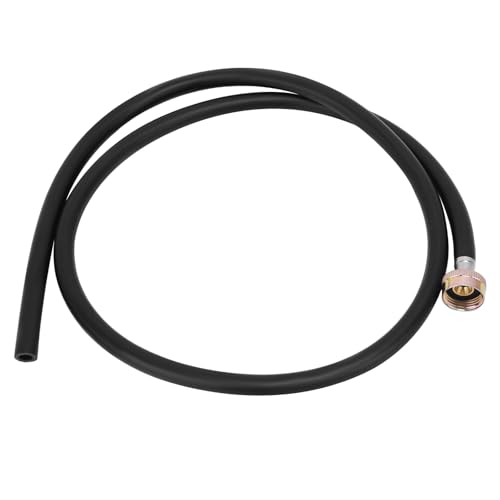
Dehumidifier Hose for Drainage Suitable for Most Dehumidifier Drainage Interfaces,Black
Check the Drain Hose
- Verify the connection. Make sure the drain hose is tightly secured to the outlet on the dehumidifier.
- Look for kinks or bends. Any twists in the hose can block water flow, preventing proper drainage.
- Ensure proper slope. Check that the hose descends consistently without dips or sharp turns. This promotes gravity drainage.
- Examine for clogs. Inspect the interior of the hose for blockages. Use water or air to clear any debris that might obstruct flow.
- Inspect the water tank. If the tank isn’t seated correctly, water won’t drain into the hose. Remove and reinstall to ensure a proper fit.
- Clean the filters. Clogged filters can restrict airflow, leading to inefficient operation. Clean or replace filters according to the manufacturer’s recommendations.
- Check for sensor issues. A malfunctioning float switch in the tank might signal that it’s full, interrupting the drainage. Test the switch and replace if necessary.
- Monitor humidity levels. Persistent high humidity indicates the dehumidifier is struggling to operate efficiently. Addressing this issue can restore drainage functionality.
Preventive Measures
Taking proactive steps keeps your dehumidifier functioning smoothly and reduces the chances of drainage issues. This section outlines critical measures to help you maintain optimal performance.
Recommended Products

Versatile Universal Hose: This 12-foot hose is designed for multiple applications, including dehumidifier drainage and a variety of gardening tasks. It can be easily cut to the desired length, offering customizable flexibility to fit your specific needs

Compatibility: There are 2 types of hose connector size design, the larger one is suitable for tubes ranging from 0.79in to 0.98in, and it can also cut to smaller one is suitable for tubes ranging from 0.59in to 0.79in. It can be used for dehumidifier, air conditioner, dishwasher, semi-automatic washing machine, etc.

Superior Material & Construction: Our Dehumidifier Drain Hose is constructed from thickened PVC, featuring an larger inner diameter of 11mm and an outer diameter of 17mm.This facilitates superior water flow rates and drainage capacity, expediting moisture removal and enhancing overall dehumidifier performance. The 3/4" FHT connector, made from premium rust-resistant with dimensions of 25mm inner diameter and 29mm outer diameter. Secured by two rubber washers and one PTFE tape for leakproof.
Proper Installation
Installing your dehumidifier correctly plays a vital role in preventing drainage problems. Ensure the following:
- Level Placement: Place the unit on a flat, level surface. Uneven surfaces can impede drainage.
- Drain Hose Setup: Attach the drain hose securely, making sure it slopes downward to allow water to flow freely. Aim for a downward angle of at least one inch for every five feet of hose length.
- Spigot Position: Check that the hose fits snugly over the dehumidifier’s drain spigot to prevent leaks.
Regular Maintenance
Regular maintenance keeps your dehumidifier running efficiently and helps avoid drainage issues. Follow these tips:
- Clean the Water Tank: Empty and clean the water tank weekly to prevent mold and mineral buildup, which can obstruct drainage holes.
- Inspect the Hose: Check the drain hose monthly for clogs or kinks. Clear any blockages to ensure uninterrupted water flow.
- Change Filters: Replace or clean the air filters regularly. Clogged filters can reduce airflow, causing the unit to work harder and possibly leading to drainage issues.
- Monitor Humidity Levels: Keep an eye on indoor humidity with a hygrometer. If levels remain high despite dehumidifier use, assess the unit for maintenance or troubleshooting.
By implementing proper installation and regular maintenance, you can significantly reduce the risk of drainage problems with your dehumidifier.
Conclusion
Getting your dehumidifier back to working order doesn’t have to be a hassle. By understanding the common issues and following the troubleshooting tips provided you can tackle drainage problems with confidence.
Regular maintenance and proper installation play a huge role in keeping your unit functioning smoothly. Stay proactive by checking the hose connections and cleaning the tank to prevent future issues.
With a little attention and care your dehumidifier can help create a comfortable and healthy living environment. Keep an eye on those humidity levels and enjoy the peace of mind that comes with a well-functioning dehumidifier.
Frequently Asked Questions
What causes a dehumidifier not to drain properly?
A dehumidifier may struggle to drain due to several common issues, such as improper hose connections, kinks in the hose, clogs, or pump malfunctions. It can also happen if the water tank is not seated correctly or if there are airflow restrictions from dirty filters.
How can I troubleshoot my dehumidifier’s drainage issue?
Start by checking the drain hose for secure connections and ensuring it has a slope for proper drainage. Inspect for kinks or clogs, verify that the water tank is correctly seated, clean the filters, and monitor humidity levels to ensure the unit operates efficiently.
What signs indicate drainage problems in a dehumidifier?
Common signs of drainage issues include water accumulation, frequent alerts that the tank is full, unusual noises from the unit, and consistently high indoor humidity levels. If you notice these indicators, it may be time to troubleshoot or maintain your dehumidifier.
How do I maintain my dehumidifier to prevent drainage issues?
To keep your dehumidifier functioning well, regularly clean the water tank, inspect the hose for clogs, and change the filters as needed. Make sure the unit is on a level surface and that the drain hose slopes downward to ensure effective drainage.
Why is my dehumidifier still running but not reducing humidity?
If your dehumidifier is running but not reducing humidity, it may be facing drainage issues or malfunctioning parts like the compressor or fan. Additionally, make sure the filters are clean and the unit is not oversized for your space, which can lead to inefficient performance.

Hey, I’m Jake. I focus on cooling systems at Appliance Mastery, like fridges, freezers, and air conditioners.
I’ve worked in appliance repair for more than ten years and I’m certified through NASTeC. I’ve seen just about every fridge issue you can imagine.
My goal is to help you fix problems without stress. Whether it’s a freezer that won’t cool or an AC that keeps beeping, I’m here to walk you through it.