
Ever wondered if your AC unit needs water to keep you cool? Picture this: it’s a scorching summer day, and your AC suddenly stops working. You start to wonder if water could be the missing piece of the puzzle. In this article, you’ll uncover the truth about whether your AC unit truly needs water to function efficiently.
Myth: AC Unit Requires Water to Cool
Imagine this scenario: it’s a scorching hot day, and your AC suddenly gives up. Panic sets in, and you start worrying if it’s a water issue. Let’s bust this misconception: AC units do not require water to cool the air. It’s all about the principles of thermodynamics and refrigeration.
Cooling your space is about taking away heat, not adding water. Your AC uses a refrigerant that absorbs heat from indoor air and releases it outside. This process happens with no water involved.
If you spot water near your unit, it’s likely just condensation from the cooling process. Regular maintenance can prevent any leaks, so keep an eye out for those droplets!
Recommended Products

Extra Long Hose:The air conditioning drain hoses are 10 feet long. The long hose will meet the requirements of drainage at different heights.
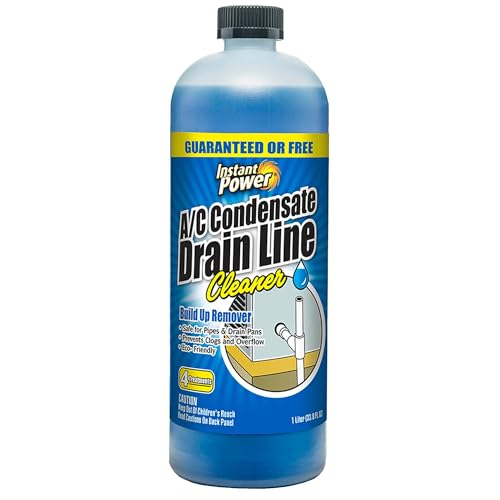
CLEARS CLOGGED DRAIN LINES - Instant Power AC condensate drain line cleaner removes buildup of sludge and debris that block your air conditioner’s drain line

【Leak-proof Gasket】The hose connector is tightly connected to the hose and will not leak easily, preventing long-term water leakage from corroding your walls and windows. The hose connector is equipped with a gasket, which has a good leak-proof effect. One of the great air conditioner accessories is a hose set that helps you drain excess water from your air conditioner.
How an AC Unit Actually Works
When you switch on your AC unit, it doesn’t require water to cool the air efficiently. Here’s a simplified breakdown of how your AC unit functions:
- Refrigerant Circulation
The AC system contains a refrigerant that cycles between a gas and liquid state, absorbing and releasing heat along the way. - Evaporator Coil
Warm air from inside your home is blown over the evaporator coil, where the refrigerant absorbs heat and turns into a gas. - Condenser Coil
The refrigerant gas flows to the condenser coil outside, releasing the absorbed heat into the outdoor air as it condenses back into a liquid. - Expansion Valve
As the refrigerant returns to the evaporator coil, it passes through the expansion valve, where it expands and cools, ready to absorb more heat. - Air Circulation
Meanwhile, the newly cooled air is circulated back into your home, creating a comfortable indoor environment.
Remember, your AC unit’s cooling process is a closed-loop system that doesn’t rely on water for cooling. Regular maintenance is key to keeping your AC in top shape and preventing any leaks or issues.
Do AC Units Use Water as a Coolant?
Wondering if AC units use water to cool the air? The answer is no. AC units do not use water as a coolant in the cooling process. Instead, they rely on a closed-loop system that utilizes refrigerant to absorb and release heat, making them more efficient and less reliant on water consumption.
Recommended Products

To protect the painted metal surfaces of outdoor a/c condensing units

Country Of Origin: United States

Integrated Design, Save Time and Effort: This ac cleaning bag integrated with drain pipe, no water lekage, easy to discharge sewage. Just put drain pipe into bucket and the sewage is all collected, prevent staining of walls and floors.
How AC Units Cool Without Water:
- Refrigerant: The primary cooling agent in AC units that facilitates the heat exchange process.
- Evaporator Coil: Absorbs heat from indoor air, cooling it down.
- Condenser Coil: Releases absorbed heat to the outside environment.
- Expansion Valve: Regulates the flow of refrigerant to maintain efficient cooling.
Benefits of No Water Usage:
- Energy Efficiency: AC units without water usage consume less energy.
- Environmentally Friendly: Reduced water consumption makes them eco-friendlier.
- Lower Maintenance: Avoids water-related issues like leaks and mold growth.
Maintenance Tips for Waterless AC Units:
- Regular Filter Cleaning: Ensures proper airflow and efficient cooling.
- Annual HVAC Service: Professional maintenance can prevent potential issues.
- Sealing Air Leaks: Helps maintain cooling efficiency without water usage.
Avsluttende tanker:
With the closed-loop system in AC units, water isn’t needed for cooling your space effectively. By understanding how these units work and maintaining them properly, you can enjoy a cool and comfortable environment without the need for water.
Tips to Maintain Your AC Unit
Taking care of your AC unit is crucial to ensure it operates efficiently and provides optimal cooling in your space. Here are some simple tips to help you maintain your AC unit and prolong its lifespan:
- Regular Filter Cleaning:
- Change or clean air filters every 1-3 months to prevent clogging and ensure proper airflow.
- Annual HVAC Service:
- Schedule a professional HVAC technician to inspect and service your unit annually to check for any issues and keep it running smoothly.
- Sealing Air Leaks:
- Seal any air leaks around doors, windows, and ductwork to prevent cooled air from escaping, improving the unit’s efficiency.
By following these maintenance tips, you can keep your AC unit in top condition and enjoy a cool and comfortable environment all year round.
Recommended Products

MAKE YOUR HOME YOUR SANCTUARY: 2-pack of 3-month pleated Filtrete 20x25x1 MERV 11 MPR 1000 AC Furnace Air Filter helps capture unwanted particles from your household air to contribute to a cleaner, fresher home environment

Compatible Models: WJ85X21746 Air Conditioner Filter Compatible with GE Air Filters Replacement Models: AHEC05ACQ1 AHEC05ACW1 AHQ06LYCQ1 AHQ06LYQ2 AHQ06LYW1 AHQ06LYW2 AHR05LWQ1 AHR05LWQ2 AHR05LWW1 AHS05LXQ1 AHS05LXW1 AHT05LZQ1 AHT05LZW1 AHTC05AAQ1 AHTC05AAW1 AHU05LYQ1 AHU05LYW1 AHV05LWQ1 AHV05LWQ2 AHV05LWW1 AHV05LYQ1 AHV05LYW1 AHW05LZ Q1 AHW 0 5L ZQ1 AHW 05LZW1 AHW06

Manufacturer: THERMWELL
Conclusion
Remember, keeping your AC unit well-maintained is key to enjoying efficient cooling in your home. By following simple tips like regular filter cleaning and scheduling professional HVAC inspections, you can ensure your unit operates at its best. Sealing air leaks is another important step to retain the cool air inside. These practices not only help your AC unit last longer but also keep your indoor environment comfortable all year round. So, make sure to prioritize AC maintenance to stay cool and cozy in your space.
Frequently Asked Questions
Why is maintaining my AC unit important?
Regular maintenance like filter cleaning and professional inspections ensure optimal AC performance, prolonging its lifespan and maintaining indoor comfort.
How often should I clean the filters?
Filters should be cleaned or replaced every 1-3 months, depending on usage and type of filter, to maintain proper airflow and cooling efficiency.
Why should I schedule annual HVAC service?
Professional inspections can identify potential issues early, ensuring efficient operation, reducing energy consumption, and preventing costly repairs.
How does sealing air leaks help my AC unit?
Sealing air leaks prevents cooled air from escaping, allowing your AC unit to cool your space more efficiently, saving energy and reducing utility bills.

Hi, I’m Charlie, and I cover all things laundry here at Appliance Mastery.
I’ve spent over eight years working on washing machines, dryers, and dishwashers. I also have a degree in mechanical engineering, which helps me understand how these appliances really work.
I try to make every guide clear and practical. If you’re stuck with a noisy dryer or a leaking washer, I’ll help you figure out what’s wrong and how to fix it.