
Have you ever been excited to take a warm shower in your camper, only to find your electric hot water heater isn’t working? It’s a frustrating situation that can put a damper on your outdoor adventures. Whether you’re at a campsite or parked in your driveway, having hot water is essential for comfort and convenience.
In this article, you’ll find practical tips to troubleshoot and fix common issues with your electric hot water heater. You’ll learn how to identify the problem and take steps to get your system back up and running. With a little guidance, you can enjoy the comforts of home even while on the road.
Key Takeaways
- Common Issues Identified: Electric hot water heaters in campers often fail due to electrical issues, component failures, or sediment buildup, which can hinder performance.
- Troubleshooting Steps: To troubleshoot effectively, check the power supply, inspect heating elements, and ensure all connections are secure and without damage.
- Maintenance Importance: Regular maintenance, including seasonal inspections and tank flushing, is crucial for preventing breakdowns and prolonging the heater’s lifespan.
- Alternative Heating Solutions: Consider propane or solar water heaters as alternatives if your electric heater is not functioning, providing efficient and reliable hot water options while camping.
- Preventive Measures: Implement preventive actions, such as using water softeners and periodically checking thermostat settings, to maintain optimal performance and prevent future issues.
Common Reasons For Electric Hot Water Heater In Camper Not Working
Several issues can prevent your electric hot water heater in your camper from functioning. Understanding these common problems can help you troubleshoot effectively.
Recommended Products
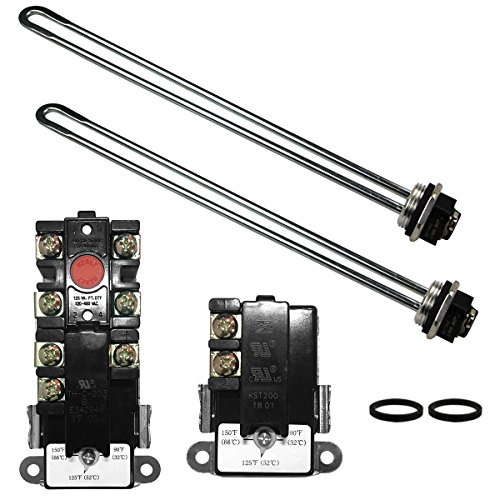
【ONE YEAR WARRANTY】Z Turn-up Kit Includes (2) 4500W 240V COPPER Water Heater Element, Insert Length: 13-9/16". 3500W@208V. Fit Most Brands of Water Heater >= 30 Gallons.

【520900 Water Heater Element】This 520900 rv water heater element kit is a direct replacement for Suburban RV SW series electric water heaters. Replaces 232794, 520789, SU520789 heating element.

【ONE YEAR WARRANTY】: The Tune-up kit in plumber's pack with protective Cover, Designed to Be a Repair Kit for Most Common Electric Water Heaters ≥ 30 gallon, Provides a quick tune-up to prlong the water heater's life.
Electrical Issues
Electrical issues account for many hot water heater failures. First, check the power source. Confirm the heater’s plugged in and that the circuit breaker hasn’t tripped. If the breaker has, reset it and observe if it trips again. Also, inspect the power cord for any damage or loose connections; frayed wires can lead to failures. Lastly, confirm the camper’s battery is charged if your heater draws power from it.
Component Failures
Component failures can lead to malfunctioning heaters. Start by examining the heating element. If it’s burned out, it won’t heat water. Use a multimeter to check for continuity in the element. If it doesn’t show continuity, replace it. Additionally, inspect the thermostat. If it’s faulty, it won’t regulate temperature effectively, leading to no hot water. Finally, check for sediment buildup in the tank, which can reduce efficiency and cause overheating, damaging components. Regular maintenance, including flushing the tank, helps prevent this issue.
Troubleshooting Steps
Follow these steps to troubleshoot your electric hot water heater in your camper and restore hot water efficiently.
Recommended Products
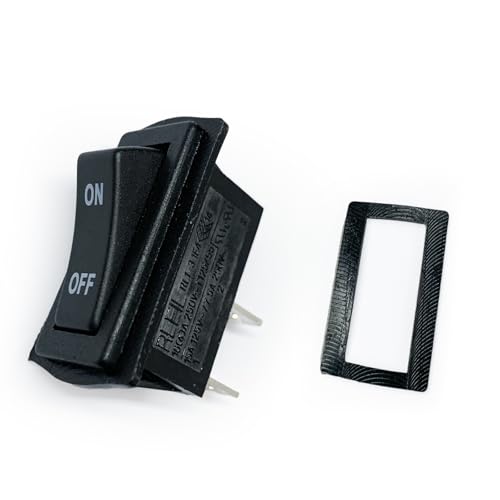
🏆【Replacement Spare Part】Lrichy 232362 switch electric element controls the power supply to the 110V electric heating element, and it is a replacement spare part essential for the safe operation of Suburban RV water heaters.

mounting type: screw-in

Fit for Atwood RV Water Heater Thermostat Oem Parts : Thermal Cut off Kit is Applied with Electronic Water Heaters As a Safety Device in the Event of a Water Heater Flare Up, a Necessity for Your RV Hot Water Heater
Checking Power Supply
Start by ensuring the power supply is active. Verify the outlet where the heater is plugged in. Check the following:
- Wall Plug: Make sure the heater’s plug is securely connected to the outlet.
- Circuit Breaker: Inspect the circuit breaker for any tripped switches. Reset if necessary by switching it off and then back on.
- Power Cord: Look for frayed wires or damage in the power cord. Replace if you notice any defects.
If these steps don’t solve the issue, test the outlet with another device to confirm it’s functioning properly.
Inspecting Heating Elements
Heating elements can fail and prevent your water heater from warming up. To inspect them:
- Power Off: First, disconnect the power supply to avoid shock.
- Access Element: Remove the access panel on the water heater to reach the heating elements.
- Visual Inspection: Check for signs of corrosion or damage on the elements.
- Use a Multimeter: Measure the resistance of the heating elements using a multimeter. A reading of zero indicates a malfunction.
Replace any faulty heating elements and ensure they match the specifications for your specific model.
Maintenance Tips
Maintaining your electric hot water heater in a camper ensures its longevity and efficiency. Following regular inspections and implementing preventive measures can help you avoid unexpected breakdowns.
Regular Inspections
Inspect your electric hot water heater at least once a season. Check for signs of wear and tear on the power cord, connections, and fittings. Ensure the heater is securely plugged into the outlet. Look for leaks around the tank and connections, as any moisture could indicate a problem. Also, inspect the heating elements for corrosion or mineral build-up, which can hinder performance. Use a multimeter to check the resistance of the heating elements, confirming they function correctly.
Preventive Measures
Implementing preventive measures is key to reducing service interruptions. Flush the tank every six months to remove sediment buildup. This process enhances efficiency and prolongs the heater’s life. Keep the surrounding area dry and clean to prevent moisture damage. Use a water softener if you’re in a region with hard water, which lessens mineral deposits in the tank. Finally, check the thermostat settings periodically to ensure they’re set at an optimal temperature, around 120°F, for both comfort and safety.
Alternatives To Electric Hot Water Heaters
If your electric hot water heater isn’t working, several alternatives provide hot water for your camper. Consider propane and solar water heaters to maintain comfort during your outdoor adventures.
Recommended Products
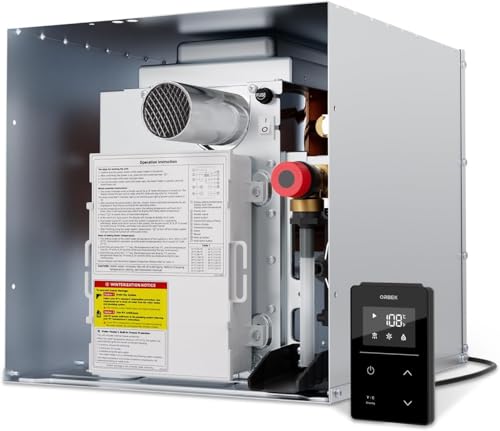
𝐂𝐨𝐧𝐭𝐢𝐧𝐮𝐨𝐮𝐬 𝐎𝐧-𝐃𝐞𝐦𝐚𝐧𝐝 𝐇𝐨𝐭 𝐖𝐚𝐭𝐞𝐫: Equipped with a 60,000 BTU propane burner, the ORBEK RV tankless water heater delivers continuous hot water for everyday RV use, including showers, dishwashing, and handwashing. The burner operates only when hot water is requested, helping reduce propane consumption while providing a reliable hot water supply. Unlike tank-type water heaters, there's eliminates the need to store heated water, and no need for frequent anode rod replacements

Lightweight & Portable for Camping: Make your outdoor trips easier with this compact portable water heater. Weighing only 10 lbs with a folding handle, it fits perfectly in your car or RV. Whether you are camping, fishing, or on a family road trip, you can carry it anywhere to enjoy a warm, clean shower after a long day of fun
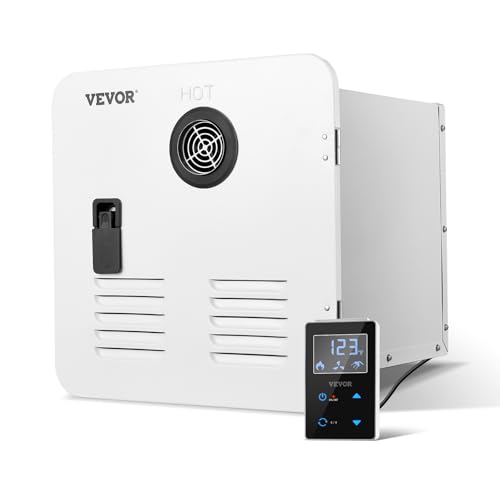
Rapid Instant Heating: The RV water heater offers 42,000 BTU of high power, delivering hot water quickly to meet your needs for showering, dishwashing, and more.
Propane Water Heaters
Propane water heaters offer an efficient solution for campers. They heat water quickly and typically provide a constant supply. These units operate using propane gas, making them ideal for locations without access to electricity.
Key Features of Propane Water Heaters:
- Rapid Heating: Propane heaters heat water faster than traditional electric models.
- Compact Design: Many propane units are compact, fitting easily in smaller spaces.
- Cost-Effective Operation: Propane often costs less than electricity, especially in remote areas.
When choosing a propane water heater, ensure it’s compatible with your camper’s setup. Look for models with sturdy construction and features like adjustable temperature controls. Additionally, always check that your propane supply is full and in good condition to avoid interruptions.
Solar Water Heaters
Solar water heaters harness the sun’s energy to provide hot water. They are environmentally friendly and can significantly reduce your energy expenses.
- Sustainable Energy Source: Solar heaters utilize renewable energy, decreasing reliance on fossil fuels.
- Low Operating Costs: After installation, operating costs are minimal since sunlight is free.
- Low Maintenance: These systems require little maintenance, making them convenient for campers.
To install a solar water heater, find a sunny spot on your camper or nearby area and mount the solar panels. Connect the panels to the water storage tank to ensure efficient heating. Consider additional features like a backup system for cloudy days, so you won’t run out of hot water.
Exploring these alternatives ensures you maintain hot water access during camping trips, enhancing your overall experience.
Conclusion
Dealing with a faulty electric hot water heater in your camper can be a hassle but it doesn’t have to ruin your trip. By following the troubleshooting tips and regular maintenance practices outlined in this article you can get back to enjoying those hot showers and clean dishes in no time.
Remember that a little preventive care goes a long way in keeping your system running smoothly. If you find that repairs are more than you can handle consider exploring alternative heating options like propane or solar. These can provide you with the comfort of hot water while you’re out in nature. Happy camping and may your adventures be filled with warmth and comfort!
Frequently Asked Questions
What causes electric hot water heaters to fail in campers?
Electric hot water heaters in campers may fail due to electrical issues, such as problems with the power source, unplugged connections, or a tripped circuit breaker. Component failures, like faulty heating elements or thermostats, and sediment buildup in the tank can also disrupt functionality.
How can I troubleshoot my electric hot water heater?
Start by checking the power supply—ensure the heater is plugged in, and inspect the circuit breaker and power cord for damage. If the issue persists, test the outlet with another device. For heating elements, disconnect power, access the panel, and visually inspect for damage.
How often should I maintain my electric hot water heater?
It’s advisable to conduct maintenance checks at least once a season. Regularly inspect for leaks, corrosion on heating elements, and wear and tear. Flushing the tank every six months and checking thermostat settings will help maintain efficiency and longevity.
What are some preventive measures for electric hot water heaters?
To prevent problems, flush the tank semi-annually, keep the area dry, and use a water softener in hard water regions. Regular inspections of the heating elements and thermostat settings can also avert issues and enhance performance.
Are there alternatives to electric hot water heaters for camping?
Yes, propane and solar water heaters are great alternatives. Propane heaters heat water quickly and are ideal for off-grid camping, while solar heaters harness renewable energy, providing low operating costs and minimal maintenance, although they may require backup systems for cloudy days.

Hey, I’m Jake. I focus on cooling systems at Appliance Mastery, like fridges, freezers, and air conditioners.
I’ve worked in appliance repair for more than ten years and I’m certified through NASTeC. I’ve seen just about every fridge issue you can imagine.
My goal is to help you fix problems without stress. Whether it’s a freezer that won’t cool or an AC that keeps beeping, I’m here to walk you through it.