
Have you ever jumped in the shower only to be greeted by icy water? It’s frustrating when your electric hot water tank isn’t heating as it should. You might be wondering what went wrong and how to fix it.
Key Takeaways
- Common Causes: Electric hot water tanks may fail to heat water due to element malfunctions, thermostat issues, or power supply problems. Identifying the root cause is essential for effective troubleshooting.
- Troubleshooting Steps: Start by checking the power supply, verifying thermostat settings, and examining heating elements with a multimeter for continuity.
- When to Call a Professional: Seek professional help if troubleshooting doesn’t resolve the issue, especially if you notice unusual noises, leaks, burning smells, or discolored water.
- Preventative Maintenance: Regular inspections, flushing the tank, testing the pressure relief valve, and adjusting temperature settings can enhance the efficiency and lifespan of your hot water tank.
- Cost Considerations: Be aware of potential costs involved in diagnostics, repairs, or replacement, which can range from $50 to $1,500, and always check warranty coverage to minimize expenses.
- Signs of Trouble: Listen for noises, monitor water temperature consistency, check for leaks, and observe water quality for timely interventions to avoid costly repairs.
Common Causes of Electric Hot Water Tank Not Heating Water
When your electric hot water tank doesn’t heat water, several underlying issues might cause the problem. Understanding these common causes can help you troubleshoot effectively.
Recommended Products
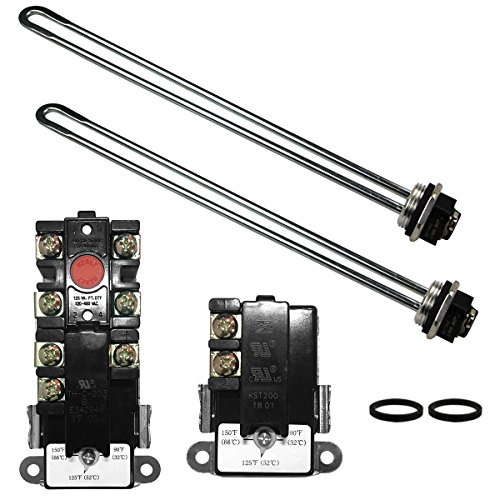
【ONE YEAR WARRANTY】Z Turn-up Kit Includes (2) 4500W 240V COPPER Water Heater Element, Insert Length: 13-9/16". 3500W@208V. Fit Most Brands of Water Heater >= 30 Gallons.

PACKAGE INCLUDES: 1 x Upper water heater Thermostat and 1 x Lower water heater Thermostat,Non-Simultaneous, Temperature adjustment range:90F (32 ℃)~150F (66 ℃).Thermo-O-Disc(TOD)Style, interchangeable with Apcom type thermostats, 120V - 480V

REPLACE BOTH FOR A COMPLETE FIX:Replacing only the thermostat or element may not solve heating issues. This complete kit helps eliminate guesswork and restore full performance in one repair
Element Malfunction
Element malfunction is a leading cause of inadequate heating. Electric hot water tanks typically have two heating elements: an upper and a lower one. If either element fails, you may experience lukewarm or cold water. You can check this by using a multimeter to test the resistance of each element. Replacement elements are widely available and relatively easy to install if you follow the manufacturer’s instructions.
Thermostat Issues
Thermostat issues can also affect water heating. Each water heating element is controlled by a thermostat, which regulates the water temperature. If the thermostat isn’t functioning correctly, it may prevent the elements from turning on. To diagnose this, inspect the thermostat settings and ensure they are set properly. If it appears faulty, replace it with a compatible unit based on your tank model.
Power Supply Problems
Power supply problems can hinder the overall performance of your water tank. Ensure the tank is plugged in and that the circuit breaker hasn’t tripped. A tripped breaker requires a reset. Additionally, check for blown fuses, as this can interrupt power flow. If these steps don’t resolve the issue, consider hiring a licensed electrician to investigate further and check the electrical components for underlying issues.
Troubleshooting Steps
If your electric hot water tank isn’t heating water, follow these troubleshooting steps to identify and resolve the issue.
Check the Power Supply
Check the power supply to your hot water tank. Ensure the circuit breaker is on and functioning. Sometimes, tripped breakers or blown fuses cause power interruptions. If the breaker keeps tripping, it may indicate an underlying electrical problem requiring a licensed electrician.
Inspect the Thermostat
Inspect the thermostat settings on your hot water tank. Ensure it’s set to the correct temperature, typically between 120°F and 140°F. If the settings appear correct, test the thermostat with a multimeter. A malfunctioning thermostat may require replacement to restore proper heating functionality.
Examine Heating Elements
Examine the heating elements within your hot water tank. Use a multimeter to test for continuity. If there’s no reading or the elements appear damaged, they need replacement. Both upper and lower elements can fail independently, so check each one. Replacing faulty elements can restore efficient heating.
When to Call a Professional
You might consider contacting a professional if troubleshooting efforts don’t resolve the heating issue. Some problems require expert assistance to ensure safety and proper repairs.
Recommended Products

12-Gallon Capacity: Designed for small apartments, studio flats, or remote water points, our tank water heater fits 1-2 water outlets. It provides ample hot water for showers, handwashing, and dishwashing, meeting the daily needs of singles or couples
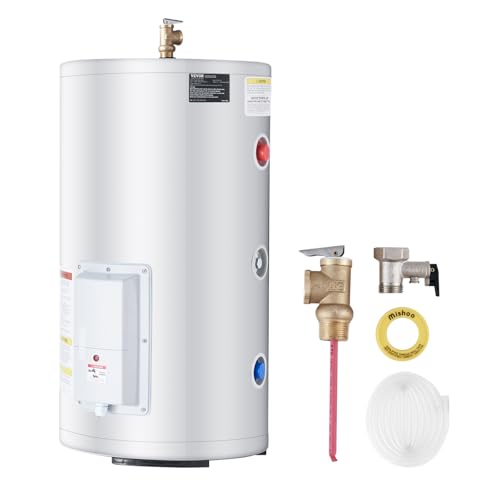
18-Gallon Water Capacity: With a 18-gallon/70L storage capacity, this heater provides ample hot water for family needs, including dishwashing and laundry. Its 1600W high-power heating reduces wait time for hot water at the faucet.

[Hot Water when you need it] Learns your schedule so you don’t have to remember to turn your water heater on and off
Signs of Severe Issues
- Unusual Noises: Popping or rumbling sounds from the tank often indicate sediment buildup or a malfunctioning heating element.
- Leaking Water: Water pooling around the base of the tank signals a possible leak, which can lead to further damage if not addressed swiftly.
- Burning Smell: A burning odor may suggest an electrical issue or overheating components, requiring immediate attention.
- Discolored Water: Brownish or rusty water points to corrosion inside the tank or pipes, warranting a professional’s evaluation.
- Diagnostic Fees: Expect to pay between $50 and $150 for a service call to diagnose the issue.
- Repair Costs: Simple repairs, such as replacing a thermostat or heating element, might cost from $100 to $300.
- Replacement Expenses: If the tank needs replacing, prices typically range from $800 to $1,500, including installation.
- Warranty Implications: Always check if your tank is still under warranty, as coverage may significantly reduce repair or replacement costs.
Recognizing these signs and considering costs can help you make informed decisions about when to seek professional help for your electric hot water tank.
Preventative Measures
Taking steps to maintain your electric hot water tank can prevent heating issues. Regular checks ensure efficient operation and longevity.
Regular Maintenance Tips
- Inspect the Tank: Look for signs of rust, leaks, or corrosion on the tank’s exterior.
- Flush the Tank: Flush the tank once a year to remove sediment buildup, which affects heating efficiency.
- Test the Pressure Relief Valve: Test the valve annually to ensure it functions correctly. This prevents excessive pressure that could lead to leaks.
- Check Temperature Settings: Keep the thermostat set between 120°F and 140°F for optimal performance. Adjust as necessary based on usage patterns.
- Strange Noises: Listen for popping or rumbling sounds, which often indicate sediment buildup.
- Inconsistent Water Temperature: Experience fluctuations in water temperature? This often signals thermostat or heating element issues.
- Leaking Water: Notice moisture around the tank? Address leaks promptly to avoid water damage.
- Discolored Water: If your water appears rusty or cloudy, this could indicate corrosion within the tank.
Recognizing these signs ensures timely action, saving you from more extensive repairs later.
Conclusion
Dealing with an electric hot water tank that isn’t heating can be a hassle but knowing what to look for makes all the difference. By taking the time to troubleshoot common issues like thermostat settings and heating element malfunctions you can often resolve the problem yourself.
Remember to keep an eye out for warning signs that might indicate a more serious issue. And if you ever feel unsure don’t hesitate to reach out to a professional. Regular maintenance and timely action can save you from bigger headaches down the line. You deserve hot water when you need it so stay proactive and keep your tank in top shape!
Frequently Asked Questions
What causes my electric hot water tank to not heat water?
A cold electric hot water tank may result from various issues, including a malfunctioning heating element, thermostat problems, or power supply issues. These problems can lead to lukewarm or cold water, so it’s crucial to troubleshoot each component to identify the exact cause.
How can I test the heating elements in my hot water tank?
To test the heating elements, use a multimeter to check for continuity. If the multimeter indicates no continuity, the heating element is faulty and should be replaced to restore proper heating functionality.
What thermostat settings should I check on my water heater?
Ensure that your thermostat is set between 120°F and 140°F for optimal performance. If the settings are correct but you’re still experiencing issues, consider testing the thermostat with a multimeter for any faults.
When should I call a professional for my water heater issues?
Call a professional if you notice severe problems like unusual noises, leaking water, burning smells, or discolored water. These signs may indicate significant issues that require expert evaluation and repairs for safety and effectiveness.
What maintenance tips can help prevent heating issues in my water heater?
Regular maintenance includes inspecting the tank for rust or leaks, flushing the tank annually to remove sediment, testing the pressure relief valve, and ensuring the thermostat is set correctly. Timely maintenance can help prevent more extensive repairs later.

Hey, I’m Jake. I focus on cooling systems at Appliance Mastery, like fridges, freezers, and air conditioners.
I’ve worked in appliance repair for more than ten years and I’m certified through NASTeC. I’ve seen just about every fridge issue you can imagine.
My goal is to help you fix problems without stress. Whether it’s a freezer that won’t cool or an AC that keeps beeping, I’m here to walk you through it.