
Is your electric stove oven refusing to heat up just when you need it most? You’re not alone. Many people face this frustrating issue, often right in the middle of preparing a meal. It can throw off your plans and leave you wondering what went wrong.
Key Takeaways
- Identify Common Issues: Electric stove ovens can fail due to power supply problems, faulty heating elements, or broken control knobs. Understanding these issues is crucial for effective troubleshooting.
- Power Supply Checks: Always inspect the power cord, outlets, circuit breakers, and fuses as these components might be responsible for your oven’s malfunction.
- Heating Element Inspection: Conduct a visual check and continuity test on heating elements. Damaged elements need replacement for proper functioning.
- Troubleshooting Steps: Verify temperature settings, test control knobs, and ensure timers aren’t inadvertently preventing operation.
- When to Seek Professional Help: Signs like frequent tripped breakers, burning smells, or visible damage indicate serious issues that require expert repair services.
- Maintenance Practices: Regular cleaning, inspecting components, and monitoring performance can prolong the lifespan of your electric stove oven and maintain cooking efficiency.
Common Issues with Electric Stove Ovens
Electric stove ovens may face several issues that hinder their performance. Understanding these problems helps you troubleshoot effectively.
Recommended Products
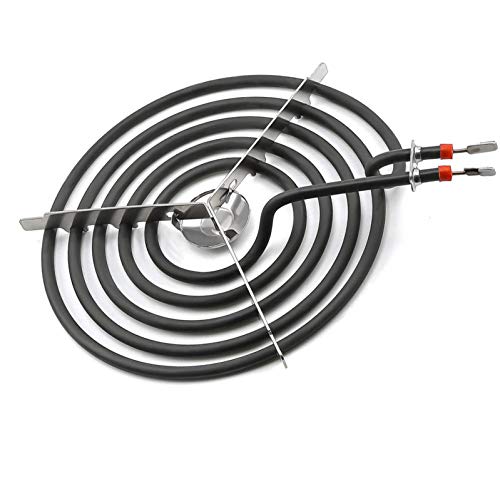
[Product Specifications]:The 8-inch (approximately 20.3 cm) burner element has 5 turns. Turns are the number of times the coil is wound in a circle. Rated at 2600 watts, 240 volts. Meets or exceeds original equipment specifications. (XL=Please refer to pictures, measurements and part numbers to determine if this part fits your model unit)
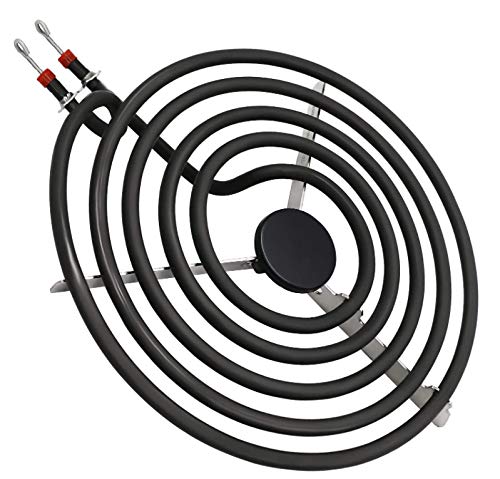
[Product Highlights] General Electric Range Surface Element 316442301 MP26YA 8 inch Surface Element 1 pc. Surface element 316442301 is used on the stovetop of the electric range and is designed to generate cooking heat. Heavy-duty heating element, rugged stovetop replacement.

Extensive Compatibility: Specifically designed to fit seamlessly with range models from General Electric, Hotpoint, and RCA. Direct replacement for part numbers WB44X10009, AP2031061, 260864, AH249344, EA249344, and PS249344.
Power Supply Problems
Power supply problems often lead to your electric stove oven not receiving adequate electricity. Check these items:
- Tripped Circuit Breaker: Inspect your breaker box. If a breaker has tripped, reset it.
- Blown Fuse: Replace any blown fuses.
- Loose Connections: Ensure that all wiring connections are tight and secure.
- Faulty Outlet: Test the outlet with another appliance. If it doesn’t work, it may require replacement.
Faulty Heating Elements
Faulty heating elements can prevent your oven from heating properly. Consider these steps:
- Visual Inspection: Check the heating elements for cracks or blisters. A damaged element needs replacement.
- Resistance Test: Use a multimeter to measure resistance. A reading of infinity indicates a broken element.
- Alignment Check: Ensure the elements sit securely in their sockets. Misalignment can disrupt heating.
Broken Control Knobs
Broken control knobs can make it difficult to set the temperature or mode. Follow these checks:
- Knob Damage: Look for cracks or looseness. If damaged, replace the knob entirely.
- Connection Issues: Ensure the knob connects properly to the control shaft. A loose connection can hinder functionality.
- Electrical Wiring: Inspect the wiring to the control panel. Loose or damaged wires might cause the knobs to malfunction.
By addressing these common issues, you can restore your electric stove oven’s functionality and enjoy hassle-free cooking experiences.
Troubleshooting Steps for Electric Stove Ovens
When your electric stove oven isn’t working, follow these troubleshooting steps to identify and resolve the issue.
Checking the Power Source
- Inspect the Power Cord: Look for any visible damage. A frayed or broken cord often disrupts power flow.
- Check Outlets: Plug another appliance into the same outlet to ensure it’s working. If the appliance doesn’t work, the outlet may be the issue.
- Reset Circuit Breakers: Find your home’s circuit breaker panel. Look for tripped breakers and reset them if necessary.
- Examine Fuses: If your oven uses fuses, check them for any signs of damage. Replace blown fuses to restore power.
Inspecting Heating Elements
- Visual Check: Examine the heating elements for any cracks or blisters. Damaged elements won’t heat properly.
- Conduct a Continuity Test: With a multimeter, test the heating element’s continuity. If it shows no continuity, it requires replacement.
- Look for Loose Connections: Ensure that the heating elements are firmly connected to their terminals. Tighten any loose components.
- Check Temperature Settings: Ensure the oven’s temperature is set correctly. Sometimes a simple adjustment resolves the issue.
- Test Control Knobs: Rotate each control knob to confirm they are functional. Stuck or malfunctioning knobs can prevent the oven from operating.
- Assess the Timer and Delay Settings: If your oven has a timer, verify it’s not set to delay cooking inadvertently. Adjust as needed to initiate cooking.
By following these steps, you can diagnose and potentially correct issues preventing your electric stove oven from functioning properly. Each step provides a path to restoring your cooking routine efficiently.
When to Call a Professional
If your electric stove oven shows persistent issues even after troubleshooting, it’s time to call a professional. Certain signs indicate when expert help is necessary.
Signs of Serious Electrical Issues
- Frequent Tripped Breakers: If circuit breakers trip often while using the stove, this may suggest underlying electrical faults.
- Burning Smell: A burning smell or noticeable heat from the control panel can indicate electrical shorts or malfunctions.
- Visible Damage: If you spot melted wires, scorch marks, or cracked components, professional assistance is critical.
- Electrical Arcing: Sparks, sizzling sounds, or arcing denote serious electrical problems that require immediate attention.
- Check Your Warranty: Before calling a repair service, review your stove oven’s warranty. Many warranties cover repairs if the issue is deemed a manufacturer defect.
- Authorized Service Centers: Use manufacturer-approved service centers for repairs. They’ll use genuine parts and maintain your warranty validity.
- Cost Consideration: Get estimates from multiple repair services. Always compare prices and ask about guarantees on the work performed.
- Replacement Vs. Repair: Sometimes replacement might be more cost-effective than repair, especially for older models. If repairs exceed half the cost of a new unit, reevaluate your options.
Maintenance Tips for Electric Stove Ovens
Maintaining your electric stove oven ensures it operates efficiently and lasts longer. Here are some key practices to follow.
Regular Cleaning Practices
- Wipe surfaces after use: Clean spills immediately to prevent buildup. Use a damp cloth or sponge with mild soap.
- Remove burners for thorough cleaning: Detach coil burners or grates for better access. Clean the burner area with a non-abrasive cleaner to avoid scratches.
- Clean the oven interior: Use a mixture of vinegar and water or a commercial oven cleaner. Follow manufacturer instructions for safe usage.
- Check and clean filters, if present: Some models have filters that trap grease and debris. Regular cleaning prevents blockages and maintains airflow.
- Inspect knobs and dials: Ensure they’re free from grime and allergens. Clean gently to prevent damage.
- Inspect power cords and plugs: Check for frayed wires or loose connections. Replace damaged cords immediately for safety.
- Examine heating elements: Look for cracks or blisters. Smooth heating elements should maintain an even glow. Replace any faulty elements.
- Test temperature settings: Use an oven thermometer to verify accuracy. Adjust your settings based on thermometer readings if there’s a discrepancy.
- Check for visible wear: Look for signs of age, such as rusty components or loose hardware. Address minor repairs before they escalate into larger issues.
- Monitor circuit breakers: Ensure breakers for the stove are functioning correctly. Reset any tripped breakers and track recurring issues for professional assistance.
Following these maintenance tips keeps your electric stove oven in top shape, enhancing your cooking experience and reducing the risk of malfunction.
Conclusion
Dealing with an electric stove oven that won’t heat can be a real hassle. But with the right troubleshooting steps and a bit of patience, you can often pinpoint the issue and get back to cooking in no time. Remember to check the power supply and inspect the heating elements before considering a professional repair.
Regular maintenance will also keep your stove oven running smoothly and extend its lifespan. If you find yourself facing persistent problems, don’t hesitate to reach out for professional help. With some care and attention, you’ll enjoy many more delicious meals without the stress of a malfunctioning oven. Happy cooking!
Frequently Asked Questions
Why is my electric stove oven not heating up?
A non-heating electric stove oven may have issues like a tripped circuit breaker, faulty heating elements, or problems with control knobs. Start by checking the power supply and ensure everything is properly connected.
How do I troubleshoot a broken heating element?
Inspect the heating element for visible damage, such as cracks or burn marks. You can also conduct a continuity test using a multimeter. If it fails the test, it may need replacement.
What tests can I perform to check power supply issues?
Check the power cord for damage and ensure it’s plugged into a working outlet. Test the outlet with another appliance, reset circuit breakers, and examine fuses for any faults.
When should I call a professional for my electric stove oven?
Call a professional if you notice frequent tripped breakers, burning smells, visible damage, or electrical arcing. These signs indicate serious electrical issues that require expert attention.
What maintenance tips can help my electric stove oven last longer?
Regularly clean surfaces and burners, inspect the power cord and heating elements, test temperature settings with an oven thermometer, and monitor circuit breakers for any irregularities to enhance your stove’s performance.

Hey, I’m Jake. I focus on cooling systems at Appliance Mastery, like fridges, freezers, and air conditioners.
I’ve worked in appliance repair for more than ten years and I’m certified through NASTeC. I’ve seen just about every fridge issue you can imagine.
My goal is to help you fix problems without stress. Whether it’s a freezer that won’t cool or an AC that keeps beeping, I’m here to walk you through it.