
Ever found yourself ready for a warm shower only to discover your electric tankless water heater won’t turn on? You’re not alone. This frustrating situation can leave you scrambling for solutions, especially when you need hot water fast.
In this article, you’ll learn about common reasons why your water heater might be acting up and how to troubleshoot the issue. Whether it’s a simple reset or a more complex electrical problem, we’ll guide you through the steps to get your heater back in action. With the right tips, you can restore your hot water and enjoy those cozy showers again.
Key Takeaways
- Common Issues: Electric tankless water heaters may fail to turn on due to power supply problems, faulty circuit breakers, or tripped reset buttons.
- Troubleshooting Steps: Start by confirming that the unit is properly plugged in, checking the circuit breaker, inspecting for visible damage, and locating the reset button.
- Maintenance Practices: Regularly flush your heater to prevent mineral buildup, inspect wiring for damage, and ensure adequate ventilation for optimal performance.
- Signs to Seek Help: Persistent failure to operate, unusual noises, leaks, frequent tripping of breakers, or persistent error codes indicate the need for professional assistance.
- Benefits of Professional Repair: Hiring a technician ensures safe and effective repairs, correct problem diagnosis, and adherence to warranty conditions.
Common Causes of Electric Tankless Water Heater Not Turning On
When your electric tankless water heater doesn’t turn on, several common issues might be at play. Identifying and addressing these problems helps restore your hot water supply quickly.
Power Supply Issues
Power supply problems often prevent your water heater from functioning. Check that the unit is plugged in securely. Inspect if the outlet works by testing it with another device. Ensure the voltage matches the specifications; most units require 240 volts. If you notice loose wires or damaged plugs, repair or replace them immediately for safety.
Faulty Circuit Breaker
A tripped circuit breaker can lead to your heater not turning on. Locate your circuit breaker panel and check if the breaker for the water heater is in the “off” position. If it is, flip it back to “on.” For recurring issues, consider having an electrician assess the electrical load to prevent overloads.
Tripped Reset Button
Many electric tankless water heaters come equipped with a reset button for safety. If your unit fails, look for this button, often found near where the power cord connects. Press the reset button firmly. If the heater activates, monitor it for any signs of malfunction, such as unusual noises or frequent trips. If it doesn’t turn on, further investigation or professional repair may be necessary.
Troubleshooting Steps
If your electric tankless water heater isn’t turning on, follow these troubleshooting steps to identify and resolve the issue.
Recommended Products
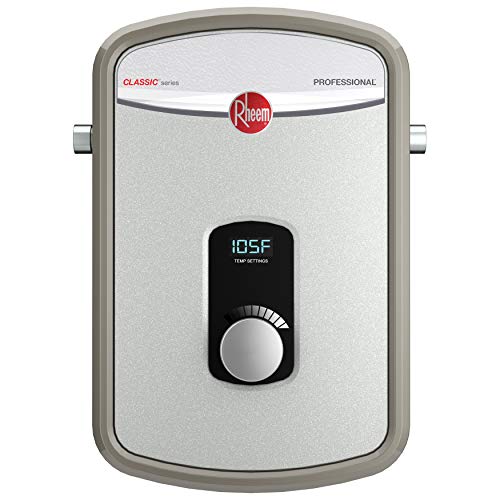
ON/OFF Dial Control with adjustable digital temperature display

Important Note: Ensure this tankless water heater meets your installation requirements, 200 Amp Household Service Recommended. The WN27 model is rated at 27KW (240V) with a maximum amperage of 113A. It requires 3 x 40 Amp double-pole (DP) breakers and 3 x 8/2 AWG wiring with ground, with a recommended 250A household power supply. The unit dimensions are 11.1” (W) x 19.1 ” (H) x 4” (D), the water connection is 3/4" NPT, Please consult a qualified electrician before purchasing

Note: Please ensure the household circuit breaker panel has a total current capacity of at least 150 amps. Our Orbek tankless water heater electric 14kw requires a 240V/60AMP two-pole breaker, 1 set of 6 AWG wires and 1/2" NPT water connections.
Checking the Power Source
- Confirm Power Connection: Ensure the unit is plugged into a functional outlet. Check for any loose connections or signs of damage.
- Test the Outlet: Use a multimeter to test the outlet’s voltage. It should match the specifications listed in your unit’s manual.
- Examine Circuit Breaker: Open the circuit breaker panel. Look for any tripped breakers connected to the water heater; if any are off, switch them back on.
Inspecting the Unit for Damage
- Review for External Damage: Carefully check the unit for visible signs of damage like cracks or corrosion. Such damage can affect performance.
- Check for Loose Wires: Open the access panel. Ensure all wires are securely connected. Loose wires can cause power failure.
- Assess Thermal Fuses: Inspect the thermal fuses. If blown, they need to be replaced to restore functionality.
- Locate the Reset Button: Find the reset button on your unit, usually near the power supply.
- Press the Reset Button: Firmly press the reset button. You should hear a click, indicating the system is rebooting.
- Power Cycle the Heater: Turn off the power supply for at least 30 seconds before turning it back on. This can clear minor faults.
By systematically following these steps, you can diagnose the issue and potentially restore your hot water supply.
Maintenance Tips
Regular maintenance of your electric tankless water heater ensures optimal performance and longevity. Follow these tips to keep your heater in top shape.
Regularly Flushing the Heater
Flushing the heater every six months prevents mineral buildup. To flush, turn off the power and water supply. Connect a hose to the drain valve and place the other end in a bucket. Open the valve and let water drain, then close it when clear. Refill with fresh water before turning the power back on. This process can enhance efficiency and extend the unit’s lifespan.
Checking the Wiring and Connections
Inspecting wiring and connections regularly helps avoid electrical issues. Look for frayed wires or loose connections. Tighten any loose terminals and replace damaged wires. Ensure that the connections are secure and that wires are not pinched or exposed to moisture. Proper wiring prevents power loss and potential hazards.
Ensuring Proper Ventilation
Good ventilation is crucial for electric tankless water heaters. Ensure your unit’s location has adequate airflow to prevent overheating. Keep vents clear of obstructions and avoid enclosing the heater in tight spaces. Proper ventilation improves efficiency and reduces the risk of overheating, maintaining reliable performance.
When to Call a Professional
Sometimes, troubleshooting an electric tankless water heater does not solve the problem. Recognizing when to seek professional help is crucial for safety and efficiency.
Signs of Serious Malfunction
Look for specific indicators that suggest a serious issue:
- Persistent Failure to Operate: If the heater doesn’t activate after multiple resets, professional assistance may be necessary.
- Unusual Noises: Sounds like hissing, popping, or rumbling can signal internal damage or component failure.
- Leaks or Moisture: Any signs of water around the unit might point to significant plumbing or heating element issues.
- Frequent Tripping of Breakers: If the circuit breaker trips repeatedly, this often indicates an electrical fault requiring an expert.
- Error Codes: Modern units often display codes. Consult the user manual; if the code persists, contact a technician.
Importance of Professional Inspection
Getting an expert to inspect your electric tankless water heater ensures safe and effective repair. Here’s why:
- Expertise: Professionals possess the training to diagnose complex issues that might be invisible to an untrained eye.
- Correct Repairs: They perform repairs accurately, preventing further damage or safety hazards.
- Safety: High-voltage appliances can present shock and fire risks. Professionals follow safety protocols to protect you and your home.
- Warranty Considerations: Some manufacturers require qualified technicians for repairs to maintain warranty coverage.
If you’re experiencing issues that don’t improve with basic troubleshooting, don’t hesitate to call a professional. Their expertise can save time and keep your home safe.
Conclusion
Dealing with an electric tankless water heater that won’t turn on can be frustrating but don’t lose hope. By following the troubleshooting steps outlined, you can often pinpoint the issue and get your hot water flowing again. Remember to check the basics like power connections and circuit breakers before diving into more complex solutions.
If you find that the problem persists even after your best efforts, it might be time to call in a professional. They can help diagnose and fix any underlying issues safely. Keeping up with regular maintenance will also help prevent future problems and keep your heater running efficiently. You deserve hot water whenever you need it, so take action and enjoy those warm showers again.
Frequently Asked Questions
Why won’t my electric tankless water heater turn on?
Electric tankless water heaters may not turn on due to several common issues, such as power supply problems, tripped circuit breakers, or a reset button that needs pressing. First, ensure the unit is plugged in and check the outlet’s functionality and voltage.
How do I reset my electric tankless water heater?
To reset your electric tankless water heater, locate the reset button on the unit, usually found near the electrical connections. Press and hold the button for a few seconds. This simple step can often resolve minor electrical issues and restore hot water.
What should I check if my water heater is not heating?
If your water heater isn’t heating, start by checking the power supply, ensuring the unit is plugged in and the outlet works. Next, examine the circuit breaker panel for any tripped breakers and inspect the heater for any external damage or loose wiring.
How often should I maintain my electric tankless water heater?
To maintain optimal performance, it’s recommended to flush your electric tankless water heater every six months. Regular checks of wiring, connections, and ventilation are also essential to prevent overheating and maintain efficient operation.
When should I call a professional?
You should call a professional if your heating unit fails to operate persistently, produces unusual noises, leaks, frequently trips breakers, or displays error codes. Professionals can diagnose complex issues safely and effectively, ensuring necessary repairs.
Hey, I’m Jake. I focus on cooling systems at Appliance Mastery, like fridges, freezers, and air conditioners.
I’ve worked in appliance repair for more than ten years and I’m certified through NASTeC. I’ve seen just about every fridge issue you can imagine.
My goal is to help you fix problems without stress. Whether it’s a freezer that won’t cool or an AC that keeps beeping, I’m here to walk you through it.