
Ever jumped in the shower only to be greeted by a blast of cold water? It’s frustrating and can ruin your day. If your electric water heater isn’t producing enough hot water, you’re not alone. Many people face this common issue, and it can stem from a variety of causes.
Key Takeaways
- Diagnose Common Issues: Recognize that insufficient hot water is often caused by faulty thermostats, sediment buildup, or inadequate tank size. Identifying the root cause is essential for effective troubleshooting.
- Inspect and Adjust Settings: Check the thermostat settings to ensure they are optimally set between 120°F and 140°F, and inspect heating elements for any visible damage.
- Perform Regular Maintenance: Regularly flush the water heater tank to eliminate sediment buildup, which can significantly improve heating efficiency and availability of hot water.
- Consider Upgrading Options: Evaluate the possibility of upgrading to a larger electric water heater or switching to a tankless system, especially if your household’s demand for hot water exceeds the current unit’s capacity.
- Know When to Seek Help: Persistent low hot water supply, frequent breaker trips, unusual noises, or leaks indicate deeper issues that require professional attention for safety and efficiency.
- Provide Relevant Details: When contacting a professional, share specific symptoms like unusual noises or leaks to facilitate accurate diagnosis and faster service.
Common Reasons For Insufficient Hot Water
Insufficient hot water from electric water heaters stems from several common issues. Understanding these causes can help you troubleshoot and resolve the problem effectively.
Faulty Thermostat
A faulty thermostat may prevent your electric water heater from heating water adequately. If the thermostat is malfunctioning, it might not signal the heating elements to turn on. Check the thermostat settings; proper adjustments can often restore function. If it’s still unresponsive, consider replacing it.
Sediment Buildup
Sediment buildup in your tank can hinder heating efficiency. Over time, minerals from water accumulate at the bottom of the tank, insulating water from the heating elements. To combat this, regularly flush your water heater according to the manufacturer’s instructions. This maintenance task can significantly improve hot water availability.
Inadequate Tank Size
An inadequate tank size might be the reason you’re consistently short on hot water. If your household’s hot water demand exceeds the tank’s capacity, you’ll run out too quickly. Evaluate your usage patterns. For larger households or increased hot water needs, upgrading to a larger tank may be necessary to meet your requirements efficiently.
Troubleshooting Steps
If your electric water heater isn’t producing enough hot water, follow these troubleshooting steps to identify and resolve the issue effectively.
Recommended Products

LWD UNIVERSAL SCREW-IN WATER HEATER ELEMENT - This screw-in, low watt density-style heating element can be used in most replacement situations of the same wattage and voltage. It reduces lime deposit buildup when used in areas with hard water.
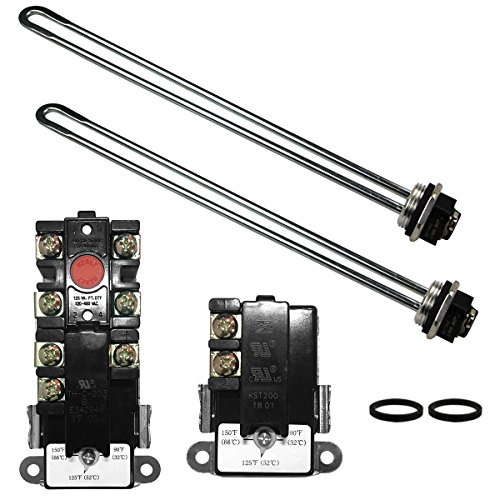
【ONE YEAR WARRANTY】Z Turn-up Kit Includes (2) 4500W 240V COPPER Water Heater Element, Insert Length: 13-9/16". 3500W@208V. Fit Most Brands of Water Heater >= 30 Gallons.

ONE YEAR WARRANTY: Contains 2 × 13-9/16inch Water Heater Element with Gaskets, 3500W@208V
Check the Thermostat Setting
Verify the thermostat setting first. Set it to a temperature between 120°F and 140°F for optimal heating. If it’s set too low, the water won’t reach adequate temperature. Adjust the thermostat, then wait a couple of hours to see if the water heats up sufficiently. If you’re unsure how to access it, consult your heater’s manual.
Inspect the Heating Elements
Inspect the heating elements next. These components may fail or become damaged over time. Look for signs of corrosion or burn marks. You can test the elements using a multimeter. If you find any issues, replacing the faulty heating element readily resolves the problem. Ensure the power is off before starting this inspection.
Flush the Tank
Flush the tank to remove sediment buildup. Sediment can hinder the heater’s efficiency and lead to insufficient hot water. To perform this task, turn off the power and cold water supply to the heater. Then, attach a hose to the drain valve and direct it outside or into a bucket. Open the valve and let the water and sediment flow out. Repeat the process until the water runs clear, then close the valve, refill the tank, and turn the power back on. This can significantly improve heating performance.
Solutions to Improve Hot Water Production
If your electric water heater isn’t producing enough hot water, several solutions can enhance its performance.
Upgrade to a Larger Unit
Consider upgrading to a larger electric water heater. If your current tank capacity is insufficient, you might experience frequent shortages, especially during peak usage times. For example, a family of four typically requires a 40 to 50-gallon tank. Upgrading to a unit with a higher gallon capacity can meet your household’s demand more effectively. Evaluate your hot water usage by tracking when and how often hot water is needed, which helps you determine the right size.
Consider a Tankless Water Heater
Think about switching to a tankless water heater. Unlike traditional tanks, tankless systems deliver hot water on demand, reducing the likelihood of running out. They heat water directly as you need it, providing a constant supply. For instance, if you run multiple showers or appliances simultaneously, a tankless unit can manage the workload without delays. Research local options and installation costs, as this type often saves energy in the long run.
Regular Maintenance Tips
Implement regular maintenance procedures to keep your electric water heater functioning optimally. Schedule an annual flush to remove sediment buildup, which can impede efficiency. Monitor the thermostat settings, ensuring they remain between 120°F and 140°F for the best performance. Inspect heating elements every few years for signs of wear or damage—replacing faulty elements can significantly improve hot water production. Keeping an eye on these factors contributes to sustained hot water availability and prolongs the lifespan of your unit.
When to Call a Professional
Calling a professional for your electric water heater issue may be necessary in several scenarios. If you’ve checked the thermostat and heating elements and the problem persists, it indicates a deeper issue that requires expert attention.
Recommended Products


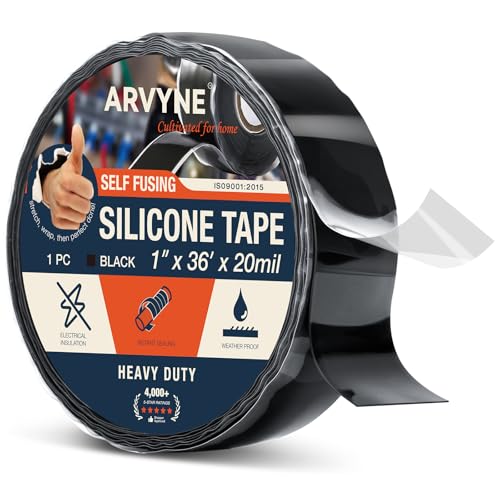
SELF-BONDING & PERMANENT SEAL – ARVYNE self-fusing silicone tape bonds to itself without adhesive, creating a watertight, airtight, and long-lasting seal. Ideal for emergency repairs in seconds—no residue, no mess.
Signs to Look For
- Persistent Low Hot Water Supply
If you consistently face inadequate hot water despite troubleshooting efforts, a professional assessment may reveal hidden problems. - Frequent Tripping of Breaker
If the circuit breaker trips often, it indicates an electrical issue with the heater that requires expert inspection. - Unusual Noises
If you hear banging, popping, or hissing sounds from the unit, it may signal sediment buildup or other problems that necessitate professional intervention. - Water Leaks
If you notice water pooling around the heater, it could indicate a leak or failure in the unit that requires immediate professional evaluation. - Age of the Heater
If your water heater is over ten years old and showing signs of failure, consider calling a professional for a thorough inspection or replacement advice.
Possible Professional Services
- Maintenance Check
A qualified technician can provide a detailed inspection, checking for wear and tear. - Repair Services
Professionals possess the knowledge and tools to repair or replace faulty components, like heating elements or thermostats. - Replacement Guidance
If it’s time for a new unit, a technician can help you choose the best option for your household needs.
Contacting a Professional
When you call a professional, provide details about the issue. Mention any unusual noises, leaks, or electrical problems. This information helps them diagnose the problem faster and effectively.
Getting in touch with a certified technician ensures your electric water heater operates efficiently and safely, restoring your hot water supply without hassle.
Conclusion
Dealing with an electric water heater that isn’t producing enough hot water can be frustrating but you don’t have to endure cold showers forever. By following the troubleshooting steps outlined in the article you can often pinpoint the issue and restore your hot water supply.
Regular maintenance is key to keeping your unit running smoothly so don’t forget to check the thermostat and flush the tank periodically. If you find that the problem persists or if you notice any alarming signs it might be time to call in a professional.
With a little attention and care your electric water heater can provide the comfort and reliability you need for your home.
Frequently Asked Questions
What causes electric water heaters to not produce enough hot water?
Many factors can lead to insufficient hot water, including a faulty thermostat, sediment buildup in the tank, or an inadequate tank size for your household’s needs.
How can I troubleshoot my electric water heater?
Start by checking the thermostat setting, ensuring it’s between 120°F and 140°F. Inspect the heating elements for damage and flush the tank to eliminate sediment buildup.
When should I consider upgrading my electric water heater?
If your current unit’s capacity is too small for your household’s demands, or if it’s showing signs of frequent problems, upgrading to a larger unit or switching to a tankless system may be beneficial.
What maintenance does an electric water heater require?
Regular maintenance includes annual flushing to remove sediment, checking thermostat settings, and inspecting heating elements to ensure efficient operation and longevity.
When should I call a professional for my water heater?
Contact a professional if you experience consistent low hot water supply, frequent breaker trips, strange noises, water leaks, or if your unit is aging and prone to issues.
Hey, I’m Jake. I focus on cooling systems at Appliance Mastery, like fridges, freezers, and air conditioners.
I’ve worked in appliance repair for more than ten years and I’m certified through NASTeC. I’ve seen just about every fridge issue you can imagine.
My goal is to help you fix problems without stress. Whether it’s a freezer that won’t cool or an AC that keeps beeping, I’m here to walk you through it.