
An Electrolux fridge freezer leaking water often indicates a blocked drain. Clearing the drain will typically resolve the issue and prevent further water accumulation.
Electrolux Fridge Freezer Water Leakage Symptoms
If your Electrolux fridge freezer is leaking water, it’s essential to identify the symptoms that indicate a problem. Recognizing these signs early can help prevent further damage and ensure your appliance operates efficiently. This section outlines the common symptoms associated with water leakage in Electrolux fridge freezers.
Water leakage from your Electrolux fridge freezer can manifest in several ways. Understanding these symptoms helps in diagnosing the problem quickly.
Common indicators include water pooling at the bottom of the appliance, ice buildup in the freezer, or water dripping from the fridge compartment. If you notice any of these signs, it is crucial to address the issue promptly to avoid damage.
| Symptom | Primary Suspect | Difficulty (1-5) |
|---|---|---|
| Water pooling in fridge | Blocked drain | 3 |
| Ice buildup in freezer | Clogged defrost drain | 4 |
| Water dripping from door | Faulty door seal | 2 |
Identify Common Causes of Water Leaks
Water leaks from your Electrolux fridge freezer can be frustrating and damaging. Understanding the common causes of these leaks is essential for effective troubleshooting and prevention. By identifying these issues early, you can maintain your appliance’s efficiency and avoid costly repairs.
Several root causes can lead to water leakage in your Electrolux fridge freezer. The most common reason is a blocked defrost drain.
Debris, food particles, or ice can obstruct the drain, causing water to back up. Another potential cause is a malfunctioning door seal, which allows warm air to enter, leading to condensation. Identifying the root cause is essential for an effective fix.
Blocked Drain Clearing Guide for Electrolux Fridge Freezers
If your Electrolux fridge freezer is leaking water, a common culprit may be blocked drains. This guide provides step-by-step instructions to effectively clear those drains, helping to restore proper function and prevent further leaks. Follow these methods to ensure your appliance operates smoothly and efficiently.
Clearing a blocked drain in your Electrolux fridge freezer is a straightforward process. Follow these steps to resolve the issue effectively.
Unplug the appliance to ensure safety during the repair.
Remove any food items from the fridge and freezer compartments.
Locate the drain hole, typically found at the back of the fridge or freezer.
Inspect the drain for blockages. Use a flashlight if necessary.
Use a turkey baster or a small funnel to flush hot water down the drain.
Clear any debris using a flexible cleaning brush or pipe cleaner.
Reassemble the fridge and plug it back in.
Check Door Seal Integrity
A compromised door seal can lead to water pooling inside your Electrolux fridge freezer, as warm air enters and causes condensation. Ensuring the integrity of the door seal is essential for maintaining optimal performance and preventing leaks. This section will guide you through the steps to check and address any issues with the door seal.
A faulty door seal can also contribute to water leakage. Inspect the seal for cracks or gaps.
If the seal is damaged, it will not maintain the proper temperature, leading to condensation. Replacing the door seal can be a simple fix that improves energy efficiency and prevents future leaks.
Steps to Replace Door Seal
A faulty door seal can lead to water leakage in your Electrolux fridge freezer, exacerbating drainage issues. Replacing the door seal is a straightforward process that can help restore proper functionality and prevent further complications. Follow these steps to ensure a secure fit and maintain your appliance’s efficiency.
Purchase a compatible door seal for your specific Electrolux model.
Remove the old seal by gently pulling it away from the door frame.
Clean the door frame to remove any adhesive residue.
Align the new seal with the door frame and press it into place.
Test the seal by closing the door and checking for any gaps.
Maintain Proper Drainage Regularly
Maintaining proper drainage in your Electrolux fridge freezer is essential to prevent water leaks that can lead to more significant issues. Regularly checking and clearing blocked drains ensures optimal performance and longevity of your appliance. Understanding the importance of this maintenance step can save you time and money on repairs.
Regular maintenance of your Electrolux fridge freezer can prevent future drainage issues. Schedule periodic checks to ensure the drain is clear and inspect the door seals for wear. Keeping the appliance clean and organized also helps minimize debris buildup.
Drain Inspection and Maintenance Guide
Regular inspection and maintenance of your Electrolux fridge freezer’s drainage system is crucial to prevent water leaks. Blocked drains can lead to significant issues, including water pooling inside the appliance and potential damage. This guide will help you effectively identify and address drainage problems to keep your fridge freezer functioning optimally.
Inspect drain holes monthly
Clean spills immediately
Check door seals for damage
Keep food items organized to prevent blockage
Addressing Electrolux Water Leakage Issues
If your Electrolux fridge freezer is leaking water, it’s crucial to identify and address the underlying issues promptly. One common cause of this problem is blocked drains, which can lead to water accumulation and potential damage. Understanding how to clear these blockages can help restore your appliance’s functionality and prevent further leaks.
Ignoring water leakage can lead to mold growth and appliance damage. Address any signs of leakage promptly to avoid costly repairs.
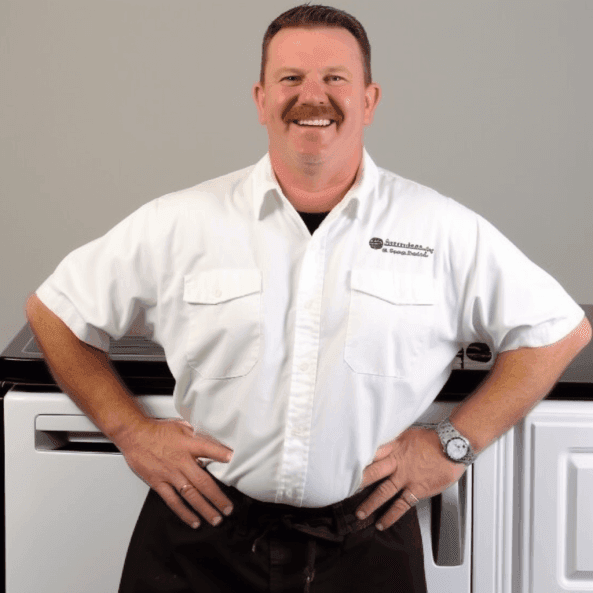
Hey, I’m Jake. I focus on cooling systems at Appliance Mastery, like fridges, freezers, and air conditioners.
I’ve worked in appliance repair for more than ten years and I’m certified through NASTeC. I’ve seen just about every fridge issue you can imagine.
My goal is to help you fix problems without stress. Whether it’s a freezer that won’t cool or an AC that keeps beeping, I’m here to walk you through it.