
Fault Code 126 on a Carrier Furnace points to a failed or misaligned pressure switch that prevents the unit from igniting. Clear the switch and inspect the vent system first to restore operation without unnecessary part swaps.
Technicians trace this code to blocked exhaust paths or weak vacuum signals from the inducer motor. A quick visual check of the switch tubing often reveals the fix before deeper electrical testing begins.
Carrier Furnace Code 126 Pressure Switch Failures
Carrier furnaces trigger Fault Code 126 when the pressure switch fails to close during the ignition sequence. This safety device monitors airflow through the heat exchanger and shuts down the system if vacuum drops below threshold. Owners notice short cycling or no heat calls when the switch sticks open from debris or hose cracks. The issue appears most often after seasonal startup when condensation builds in the lines.
| Symptom | Primary Suspect | Difficulty 1-5 |
|---|---|---|
| No ignition after 3 attempts | Stuck pressure switch | 2 |
| Inducer runs but code persists | Blocked vent pipe | 3 |
| Intermittent shutdowns | Cracked switch hose | 1 |
| Weak vacuum reading | Failing inducer motor | 4 |
Identify Root Cause of Code 126
The pressure switch opens when exhaust restriction or inducer failure reduces draft below design levels. Condensate sludge collects in the clear tubing and blocks the signal to the control board. Loose wire terminals at the switch also interrupt the circuit and produce the same lockout. Factory data shows most 126 codes trace to vent termination icing or improper slope on the condensate drain.
Inspect the pressure switch tubing for moisture or kinks.
Measure inducer motor amperage against the nameplate rating.
Verify vent termination sits at least 12 inches above grade.
Carrier Furnace Pressure Switch Continuity Test
Start by powering down the furnace at the breaker and removing the access panel. Disconnect the two wires from the pressure switch and attach a multimeter set to continuity. Blow gently through the hose while watching for the switch to close. Replace any hose that shows cracks or collapsed sections with new 1/4 inch vinyl tubing.
Clean the vent pipe opening with a shop vacuum to remove debris.
Test the switch again after clearing the line.
Reconnect the wires and restore power for a trial run.
Carrier 126 Vent Slope and Termination Issues
Proper vent slope keeps condensate moving away from the pressure switch port. Horizontal runs must drop at least 1/4 inch per foot toward the termination. Ice buildup at the outside cap restricts flow and triggers repeated 126 codes during cold weather. Owners should clear snow or leaves from the termination before each heating season.
Measure the pipe slope with a level.
Remove the cap and clear any internal obstructions.
Confirm the intake and exhaust pipes maintain required separation.
Carrier 126 Pressure Switch Terminal Checks
Loose spade terminals create intermittent contact that mimics a failed switch. Remove each terminal and inspect for corrosion or melted plastic. Apply dielectric grease to the pins before reseating the wires. A voltage drop test across the closed switch should read under 0.5 volts during operation.
Tighten all terminal screws with a screwdriver.
Replace any wire showing insulation damage.
Confirm 24 volt supply reaches the switch from the board.
Carrier Furnace 126 Pressure Switch Replacement
When cleaning and testing fail to restore continuity, install a new pressure switch matched to the furnace model. Mount the replacement in the same orientation and route fresh tubing without sharp bends. Cycle the furnace three times to confirm the code clears and the unit completes a full heat cycle.
Carrier Furnace 126 Pressure Switch Installation
Secure the pressure switch bracket with the original screws and route the wires away from the inducer housing. Connect the new tubing lengths and verify vacuum at the port with a manometer. Run the furnace through a complete cycle and monitor for any return of Fault Code 126.
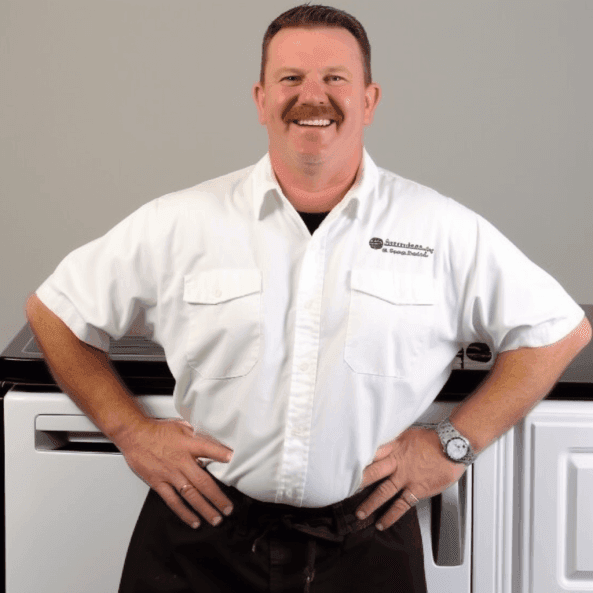
Hey, I’m Jake. I focus on cooling systems at Appliance Mastery, like fridges, freezers, and air conditioners.
I’ve worked in appliance repair for more than ten years and I’m certified through NASTeC. I’ve seen just about every fridge issue you can imagine.
My goal is to help you fix problems without stress. Whether it’s a freezer that won’t cool or an AC that keeps beeping, I’m here to walk you through it.