
Is your Frigidaire ice maker refusing to cooperate? You’re not alone. Many people face this frustrating issue, especially when they’re hosting friends or family and need ice on demand. A malfunctioning ice maker can turn a simple gathering into a hassle.
In this article, you’ll find practical tips and solutions to get your ice maker back in action. Whether it’s a simple fix or a more complex problem, understanding the common reasons behind the issue can save you time and stress. Let’s get your ice flowing again so you can enjoy those cool drinks without a hitch.
Key Takeaways
- Identify Common Issues: Blocked water supply, faulty water inlet valve, temperature settings, dirty components, and worn parts are frequent causes of ice maker malfunctions.
- Effective Troubleshooting Steps: Checking power supply, inspecting the water line, and testing the water inlet valve can help diagnose problems with your Frigidaire ice maker.
- DIY Fixes: Simple solutions include thawing frozen water lines, replacing clogged filters, and adjusting freezer temperatures to ensure optimal ice production.
- Regular Maintenance: Clean the ice maker, inspect the water filter, and check the ice bin periodically to prevent issues and extend the appliance’s lifespan.
- Know When to Seek Help: If basic troubleshooting fails or if there are signs of electrical issues or internal damage, it’s advisable to contact a professional for repairs.
- Maintain Optimal Conditions: Keep the freezer temperature at 0°F (-18°C) and avoid overloading to ensure efficient operation of the ice maker.
Overview of Frigidaire Ice Makers
Frigidaire ice makers serve a crucial role in your kitchen, providing convenience and efficiency. Understanding the common issues and the importance of functionality can help you troubleshoot problems effectively.
Common Issues with In Freezer Models
In freezer ice makers, several issues frequently occur:
- Blocked Water Supply: Ice build-up or a kinked water line can prevent water from reaching the ice maker.
- Faulty Water Inlet Valve: A malfunctioning valve may stop water flow, leading to ice shortage.
- Temperature Issues: The freezer needs to maintain a temperature below 0°F. If it’s warmer, ice production may slow or stop.
- Dirty Components: Clogged filters or dirty ice trays can hinder ice production. Regular cleaning can prevent this.
- Old or Worn Parts: Over time, components may wear out. You may need to replace items like the ice maker module or motor.
Importance of Functionality in Ice Makers
Functionality plays a key role in enjoying cold beverages and entertaining guests.
- Convenience: A working ice maker saves you time, eliminating the need for manual ice cube trays.
- Consistent Supply: Reliable ice production ensures you have ice on hand, especially during events.
- Energy Efficiency: Well-functioning ice makers consume less energy, reducing your utility bills.
- Preservation: Ice keeps your perishable items fresh and cool, especially during warmer months.
Regular maintenance checks can enhance the performance of your Frigidaire ice maker, making it a valuable appliance in your home.
Troubleshooting Steps
If your Frigidaire ice maker isn’t working, it’s essential to follow these troubleshooting steps. You can address common issues effectively by identifying and resolving them.
Recommended Products
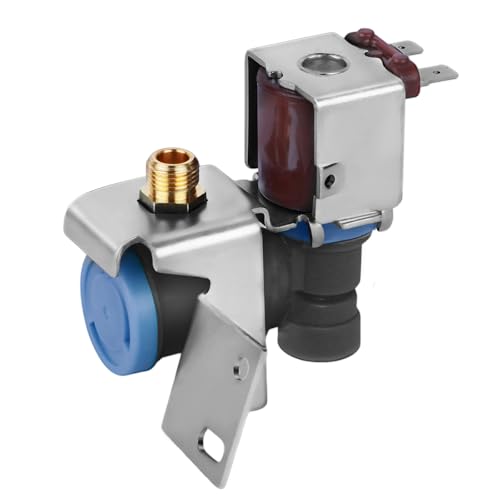
Product Detallses: WPW10498976 Refrigerator Ice Maker Water Inlet Valve, ,1/4" Male Compression Inlet and a 1/4" Push On Outlet connection. Engineered to supply water smoothly to Refrigerator Ice Maker. (Spec: 120V, 35W, 60Hz)

【 Replacement parts number 】242252603 Refrigerator ice maker water inlet valve, for Frigidaire Kenmore Electrolux icemaker solenoid valves, Icemaker valve replacement parts AP5671756 241803703 241803701 218475600 218720400 240380301 240519601 2705494 5303289068 5303304971 7241803701 PS7784017 EAP7784017 etc

Product function: 242252603 refrigerator water inlet valve is designed to replace the broken or damage valve and ensure a steady and consistent water flow, providing you with refreshing water and ice. resolves various water supply issues in refrigerators like ice-making problems, poor flow, and leakage. Made from materials to guarantee long-lasting use and prevent leaks or malfunctions
Check Power Supply
- Ensure it’s plugged in: Verify that the ice maker’s power cord is securely plugged into an electrical outlet.
- Inspect circuit breakers: Check your home’s circuit breaker box for any tripped breakers. Reset any that may be off.
- Look for indications: Confirm that other appliances or lights on the same circuit function properly. If they don’t, the issue might be with the circuit itself.
- Examine the water line: Trace the water supply line from your fridge to the water source. Ensure there’s no kinks or blockages.
- Check for leaks: Look for any signs of leaks along the line, which could prevent water from flowing to the ice maker.
- Test the water inlet valve: Disconnect the water supply line and inspect the inlet valve. If it’s clogged or fails to open, consider replacing it.
By systematically checking the power supply and inspecting the water supply line, you can identify the root cause of the issue and take steps toward repairing your Frigidaire ice maker.
Possible Causes of Malfunction
Understanding the causes behind a Frigidaire ice maker not working can help you troubleshoot effectively. Here are some common issues to check.
Recommended Products

𝐂𝐞𝐫𝐭𝐢𝐟𝐢𝐞𝐝 𝐟𝐢𝐥𝐭𝐫𝐚𝐭𝐢𝐨𝐧 𝐩𝐞𝐫𝐟𝐨𝐫𝐦𝐚𝐧𝐜𝐞: This inline water filter is NSF 42 certified for the reduction of 97.6% of chlorine, taste and odor. It is also NSF 372 certified for lead-free material. The filtration process results in water that doesn’t have any unpleasant odors or aftertaste.

【Multiple uses】The AQUACREST Inline Water Filter can be used in Refrigerators, Ice Makers, Coffee Makers, Drinking Water Fountains, Water Coolers, Beverage Equipment, Sink Faucets, RV, Campers, Boats and RO System. Compatible with most refrigerator filter brands such as Samsung, GE, LG, Whirlpool, Frigidaire, and so on.

Perfect for Busy Families & Travelers: Provides up to five years of clean, great-tasting water and ice — five times longer than standard fridge filters. Ideal for reducing maintenance and replacement costs
Frozen Water Line
A frozen water line often prevents water from reaching the ice maker. This blockage typically occurs due to low temperatures or build-up of ice within the line.
- Inspect the water line for any visible ice.
- If you suspect freezing, manually defrost the line using warm water or a hairdryer on the lowest setting.
- Ensure that the refrigerator is set to a suitable temperature, ideally between 0°F and 5°F, to avoid more freezing.
Clogged Filter
A clogged water filter can disrupt water flow to the ice maker, resulting in insufficient ice production.
- Locate the water filter, usually found inside the refrigerator or near the water line.
- Check the filter indicator light, if available. Replace the filter if it’s overdue or shows signs of clogging.
- Install a new filter following the manufacturer’s instructions to restore proper flow and functionality.
By addressing these potential problems, you can enhance the chances of your ice maker functioning correctly.
Solutions and Repairs
Fixing a malfunctioning Frigidaire ice maker often involves simple troubleshooting steps. Start by identifying common issues, then apply effective DIY fixes.
Recommended Products

Make Safer Water Second Nature: Certified to reduce up to 99% of contaminants and keep great tasting water flowing for you and your family.

Certified to reduce contaminants and keep great tasting water flowing for you and your family. Reduces Chlorine Taste & Odor, Particulates Class I, Cysts, Lead, Mercury, Pesticides, Insecticides, BPA, Asbestos, Pharmaceuticals and more. Tested and certified by NSF International against NSF/ANSI Standards 42, 53 and 401 in PurePour PWF-1 . Rated Capacity 125 Gallons

Make safe water second nature: Certified to reduce contaminants and keep great tasting water flowing for you and your family
DIY Fixes for Common Problems
- Check the Water Line: Confirm the water line is free of kinks or blockages. Inspect it for leaks or damage. If it’s frozen, use a hairdryer on a low setting to thaw the line gently.
- Inspect the Water Filter: Locate the water filter and examine it for clogs. A clogged filter hinders water flow. Replace it if it’s overdue or noticeably dirty. This typically should occur every six months.
- Verify the Temperature: Ensure the freezer temperature is set between 0°F and 5°F. If it’s too high, ice production decreases. Adjust the thermostat if necessary and wait 24 hours for changes.
- Clean the Ice Maker: Dirty components can impair ice production. Remove any excess ice and clean the ice mold and surrounding areas with warm, soapy water. Rinse thoroughly.
- Reset the Ice Maker: Locate the reset button on the ice maker. Press it to restart the ice-making cycle. You may need to wait a few hours before ice production resumes.
- Examine the Water Inlet Valve: Inspect the water inlet valve for clogs or malfunctions. Use a multimeter to test its continuity. If faulty, replace it to restore water supply.
When to Contact a Professional
If simple fixes don’t resolve the issue, it’s time to consult a professional. Look for these signs:
- Persistent Blockages: If multiple attempts to clear the ice maker fail.
- Electrical Issues: If there are ongoing electrical problems, such as flickering lights or blown fuses specific to the ice maker circuit.
- Internal Damage: If you suspect internal damage or have noticed strange noises, this could indicate a need for expert diagnosis.
- Repeated Failures: If your ice maker continually malfunctions after you’ve performed repairs.
In these cases, a qualified technician can offer accurate assessments and perform necessary repairs.
Maintenance Tips
Maintaining your Frigidaire ice maker keeps it efficient and extends its lifespan. Regular checks and care can prevent common issues and ensure a steady supply of ice.
Regular Cleaning and Care
- Clean the Ice Maker: Disconnect the ice maker, then wash it with warm, soapy water. Rinse thoroughly to remove any soap residue. Regular cleaning removes dirt and prevents buildup, which can hinder performance.
- Inspect the Water Filter: Check the water filter every six months. If it’s clogged or dirty, replace it to improve water flow to the ice maker. A clean filter enhances ice quality and ensures adequate supply.
- Examine the Ice Bin: Regularly empty and clean the ice bin. Mold or bacteria can develop in leftover ice. Wipe it down with a mixture of mild soap and water, then rinse well before refilling.
- Check the Water Line: Inspect the water line for kinks, leaks, or blockages quarterly. A clear line ensures proper water flow. Clear any blockages immediately to avoid ice maker malfunction.
- Control Freezer Temperature: Keep your freezer at 0°F (-18°C). Temperatures higher than this can lead to inadequate ice production. Use a thermometer to confirm accurate readings.
- Avoid Overloading the Freezer: Do not overcrowd the freezer; it disrupts air circulation. Maintain at least some space around the ice maker for optimal performance.
- Regularly Inspect the Ice Maker: Monitor the ice maker for any unusual noises or visual changes. If you notice anything out of the ordinary, investigate further to prevent major issues.
- Set Up Routine Checks: Schedule maintenance checks every few months. This can include cleaning, inspecting the water line, and confirming freezer temperature. Routine maintenance helps catch potential problems early.
By implementing these maintenance tips, you enhance the reliability of your Frigidaire in-freezer ice maker and ensure you have ice when you need it.
Conclusion
Getting your Frigidaire ice maker back in action doesn’t have to be a daunting task. By following the troubleshooting steps and maintenance tips outlined, you can tackle most common issues with ease. Regular checks can save you time and ensure you always have ice on hand when you need it.
If you find yourself stuck despite your best efforts don’t hesitate to reach out to a professional. A little attention goes a long way in keeping your ice maker running smoothly. Enjoy those refreshing drinks and the convenience of a fully functioning ice maker in your kitchen!
Frequently Asked Questions
What are common issues with Frigidaire ice makers?
Frigidaire ice makers often face issues like blocked water supply, faulty water inlet valves, temperature problems, dirty components, and old parts. Regularly checking these parts can help prevent ice maker malfunction.
How can I troubleshoot my Frigidaire ice maker?
Start by checking the power supply and inspecting the water line for kinks or blockages. Test the water inlet valve for clogs and ensure the freezer temperature is set correctly. If problems persist, consider consulting a professional.
Why is regular maintenance important for ice makers?
Regular maintenance enhances the efficiency and lifespan of ice makers. It helps prevent common issues, ensures a steady supply of ice, and can save time and energy in the long run.
How do I clean my Frigidaire ice maker?
To clean your ice maker, unplug it first. Then, use a mixture of warm water and gentle soap to wipe down components. Rinse thoroughly and let it dry before plugging it back in.
When should I call a professional for ice maker issues?
Call a professional if basic troubleshooting does not resolve the problem, especially for persistent blockages, electrical issues, or signs of internal damage. They can safely diagnose and fix complex issues.

Hey, I’m Jake. I focus on cooling systems at Appliance Mastery, like fridges, freezers, and air conditioners.
I’ve worked in appliance repair for more than ten years and I’m certified through NASTeC. I’ve seen just about every fridge issue you can imagine.
My goal is to help you fix problems without stress. Whether it’s a freezer that won’t cool or an AC that keeps beeping, I’m here to walk you through it.