
Resetting a GE Outdoor Z-Wave switch requires a specific button sequence performed directly on the device to clear its network memory. This manual process restores connectivity to patio smart controls after power loss or hub changes.
Owners should first confirm the switch model supports Z-Wave Plus before starting. The procedure takes under five minutes and prevents unnecessary hardware replacement in most cases. Follow the steps below to return full operation without professional service calls.
GE Z-Wave Outdoor Symptom Patterns
A GE Outdoor Z-Wave switch that fails to respond often shows clear patterns tied to network loss or hardware faults. Technicians identify these issues through basic observation before deeper testing begins. The following table organizes common symptoms with their likely causes and repair difficulty levels. Accurate matching speeds up the entire diagnostic workflow for patio installations.
| Symptom | Primary Suspect | Difficulty 1-5 |
|---|---|---|
| No response to hub commands | Lost Z-Wave association | 2 |
| Intermittent on off cycles | Corroded outdoor wiring | 3 |
| Device offline after storm | Power surge memory clear | 1 |
| Partial dimming only | Firmware mismatch with hub | 4 |
Identify Root Cause in GE Device
Power interruptions frequently erase the internal association table inside a GE Outdoor Z-Wave switch. This leaves the unit unable to receive commands from the main controller even when voltage reaches the terminals. Physical damage from moisture can also break the radio module over time. Checking these elements first avoids wasted effort on unrelated hub settings. Accurate root identification determines whether a reset or part replacement solves the problem.
GE Outdoor Z-Wave Switch Button Reset Sequence
Locate the programming button on the GE Outdoor Z-Wave switch faceplate. Press and hold the button for ten seconds until the LED flashes three times. Release the button then press it once more to confirm factory reset mode. Reconnect the device to the Z-Wave hub by placing the controller into inclusion mode. Test basic on off functions after the device appears in the network list.
Verify Network Range for Switch
Signal strength between the GE Outdoor Z-Wave switch and the main controller affects reliability on larger patios. Obstacles such as thick walls or metal structures reduce effective range below the standard forty meter limit. Adding a Z-Wave repeater between the switch and hub often restores stable communication. Measure signal strength through the hub diagnostics menu before declaring the reset complete. Consistent range verification prevents repeat failures after weather changes.
GE Outdoor Z-Wave Switch Gasket Checks
Outdoor enclosures on a GE Outdoor Z-Wave switch require intact gaskets to block water intrusion. Damaged seals allow moisture to reach internal circuits and cause random resets. Remove the cover screws and examine the rubber gasket for cracks or compression loss. Replace the entire enclosure assembly if the seal shows permanent deformation. Proper sealing extends device life in exposed patio locations.
GE Z-Wave Hub Firmware Update Steps
Outdated controller firmware can reject re inclusion attempts from a reset GE Outdoor Z-Wave switch. Connect the hub to its management interface and check for available updates. Install the latest version then repeat the inclusion steps on the switch. This action resolves protocol mismatches that appear after major software releases. Firmware currency maintains long term stability across all connected devices.
GE Z-Wave Inclusion Status Confirmation
Return the GE Outdoor Z-Wave switch to normal operation by confirming inclusion status in the hub app. Cycle power to the switch once more and observe the LED behavior during boot. Verify that scheduled patio lighting routines execute without manual intervention. Document the reset date for future reference during seasonal maintenance.
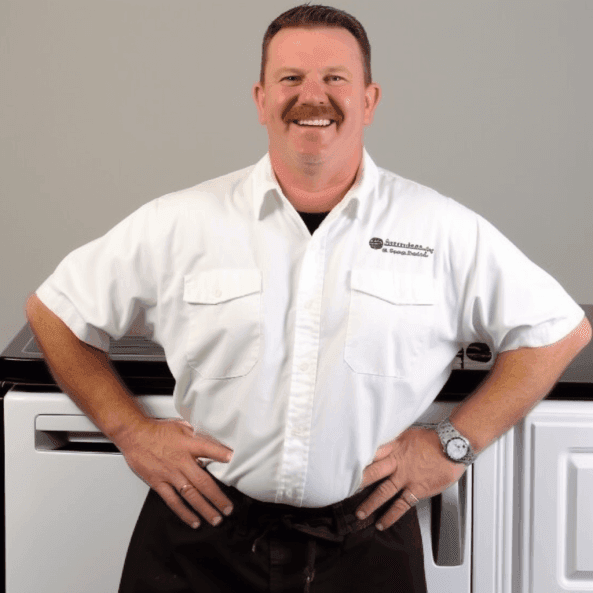
Hey, I’m Jake. I focus on cooling systems at Appliance Mastery, like fridges, freezers, and air conditioners.
I’ve worked in appliance repair for more than ten years and I’m certified through NASTeC. I’ve seen just about every fridge issue you can imagine.
My goal is to help you fix problems without stress. Whether it’s a freezer that won’t cool or an AC that keeps beeping, I’m here to walk you through it.