
Is your GE Profile stove refusing to heat up when you need it most? You’re not alone. Many people face this frustrating issue, especially when they’re in the middle of preparing a meal. It can feel like a major setback, throwing off your cooking plans and leaving you scrambling for solutions.
This article will help you troubleshoot the problem step by step. You’ll discover common reasons why your stove might not be heating and learn practical tips to get it back in working order. With a little guidance, you can tackle this issue and get back to enjoying your cooking without the hassle.
Key Takeaways
- Common Heating Issues: Understand that GE Profile stoves may not heat due to power supply problems, faulty heating elements, or malfunctioning thermostats.
- Troubleshooting Steps: Follow a systematic approach to troubleshoot by checking power connections, inspecting the heating element, and testing the thermostat.
- Key Features: Recognize the advantages of GE Profile stoves, including energy efficiency, self-cleaning options, and advanced cooking controls.
- When to Seek Help: If persistent issues arise, unusual sounds or smells occur, or warranty considerations are necessary, it may be time to contact a professional technician.
- Safety First: Always prioritize safety; consult a professional immediately for electrical issues, gas leaks, or damaged components.
Overview of GE Profile Stoves
GE Profile stoves offer modern design and versatile cooking options. These stoves come with features like convection cooking, smooth-top surfaces, and advanced temperature controls. Models vary in size and function, making them suitable for diverse kitchen environments. Common varieties include gas, electric, and dual-fuel options.
Key Features of GE Profile Stoves
- Convection Cooking: Utilizes a fan to circulate hot air, promoting even cooking results.
- Self-Cleaning Options: Simplifies maintenance, allowing you to spend less time scrubbing.
- Wi-Fi Connectivity: Enables remote monitoring and control via smartphone apps.
- Precise Temperature Controls: Offers accurate settings for various cooking techniques.
Benefits of Using GE Profile Stoves
- Energy Efficiency: Consumes less energy due to smart technology and advanced features.
- Enhanced Cooking Experience: The versatility allows for a range of cooking styles, from baking to frying.
- Durable Construction: Steel and glass components provide longevity and withstand daily use.
Common Problems and Solutions
If your GE Profile stove isn’t heating up, several issues may be at play:
- Power Supply Issues: Ensure the stove is plugged in and check for tripped circuit breakers.
- Burner Malfunctions: Inspect the burner caps and ensure they sit properly on the base.
- Temperature Sensor Failure: Test the temperature sensor for accuracy; replace it if necessary.
By being aware of these features and potential problems, you can effectively troubleshoot heating issues and optimize your cooking experience with your GE Profile stove.
Common Reasons for Heating Issues
GE Profile stoves can face several heating problems that disrupt your cooking. Understanding these common causes helps in troubleshooting effectively.
Recommended Products

Upgraded 316075104 3160755103 oven bake element :316075104 Oven Range Stove Bake Element is at the bottom of the oven and supplies the heat for baking. 316075104 316075103 heating element is made of strong Nickel stainless steel alloy, withstand high temperatures. frigiDaire Oven bake element replacement 316075104 make faster and more even heating and ensure long term effective operation. If the oven bottom heating element for frigidaire oven is worn or corroded, element will not heat, uneven heating, you need to replace kenmore oven heating element replacement 316075104. 316075103 316075104 frigidaire oven heating element replacement easily solve your problems of oven,long-lasting

【SIZE SPECIFICATIONS】--- WB44K10005 Oven Bake Element has push-in terminals and measures approximately 17.8 inches by 17.8 inches. From mounting bracket to back 2-3/8". From end of terminal to the mounting bracket (measuring up at an angle) 2 5/8" between each terminal. Terminals are male spade type, Calrod is bent up at then end towards 2 mounting holes. The rated voltage is 2585 watts and the voltage is 240 volts. The package includes 1 x WB44K10005 Range Oven Bake Element.

Quality Craftsmanship: The Frigidaire 316075103 Oven Bake Element is designed and engineered by Frigidaire to exact specifications, which, unlike non-genuine parts, ensures optimal performance for your appliance
Faulty Heating Element
A faulty heating element often leads to inadequate heating. Inspect the heating elements for visible signs of damage, such as burns or breaks. You can test the element with a multimeter for continuity. If it shows no continuity, it’s defective and needs replacement. Use a compatible replacement heating element to restore proper functionality.
Malfunctioning Thermostat
A malfunctioning thermostat can misread temperatures, causing inadequate heating. Check the thermostat settings to ensure they’re correctly set. If the stove doesn’t reach the desired temperature, consider replacing the thermostat. Consult your owner’s manual for specific instructions on replacement to ensure accuracy.
Power Supply Problems
Power supply issues can prevent your stove from heating up. Check the wall outlet to confirm it’s functioning. Inspect the circuit breaker for tripped switches that might need a reset. Use a voltage tester to verify that power reaches the stove. If there’s no power, consult an electrician to diagnose and fix the electrical problem safely.
Troubleshooting Steps
Follow these steps to diagnose why your GE Profile stove isn’t heating up. Addressing power connections, inspecting the heating element, and testing the thermostat can restore functionality.
Checking Power Connection
- Inspect the Power Cord: Check for visible damage or fraying on the power cord. If damaged, replace the cord immediately.
- Verify Outlet Functionality: Plug another appliance into the same outlet to confirm it’s working. If not, reset the circuit breaker or replace the fuse.
- Examine the Plug: Ensure the stove’s plug fits securely into the outlet. Loose connections can prevent proper heating.
- Confirm Power Supply: If the stove is hardwired, check for loose wiring connections in the junction box.
Inspecting the Heating Element
- Look for Signs of Damage: Inspect the heating element for cracks, blisters, or burn marks. These indicate it needs replacement.
- Remove and Test the Element: If the element is removable, unplug it and use a multimeter to check for continuity. A lack of continuity signals a malfunction.
- Ensure Proper Installation: Make sure the heating element sits securely in its socket. Misalignment can prevent it from heating properly.
- Clean the Element: Sometimes, debris can block the element. Clean it gently with a soft cloth.
- Locate the Thermostat: Identify your stove’s thermostat, usually found in the oven compartment.
- Check for Calibration: Use an oven thermometer to compare temperature readings. If there’s a significant difference, recalibration may be necessary.
- Test with a Multimeter: Disconnect the thermostat and measure its resistance with a multimeter. If it shows no resistance, replace the thermostat.
- Inspect Wiring Connections: Ensure all wiring connected to the thermostat is secure and free of damage. Loose connections can disrupt heating.
By following these troubleshooting steps, you can efficiently identify and resolve the heating issues with your GE Profile stove.
When to Seek Professional Help
If your GE Profile stove isn’t heating up after you’ve tried troubleshooting, it might be time to call in a professional. Here are specific signs that indicate professional assistance is necessary:
Recommended Products

✅【𝗘𝗥𝗦𝟯𝟬𝗠𝟭&𝗘𝗥𝗦𝟯𝟬𝗠𝟮 𝗦𝘁𝗼𝘃𝗲 𝗘𝗹𝗲𝗰𝘁𝗿𝗶𝗰 𝗕𝘂𝗿𝗻𝗲𝗿】:①𝟮𝟬𝟮𝟲 𝗨𝗽𝗴𝗿𝗮𝗱𝗲𝗱 ERS30M1 5 Turn 6 inch:1350 watts, 208/240 volts. ②ERS30M2 6 turn 8 inch: 208V-240V, 1765W-2350W. ge Electric Range Burner Element,ge Stove Electric Burner Replacement transfer heat to the cooking area at the top of the range, generating much needed heat for your stove to achieve fast and even heating of the area.☞The WB30M1(ERS30M1) surface element is 5 Turn 6 inch with a silver center medallion. ☞The WB30M2(ERS30M2) surface element is 6 turn 8 inch with silver center medallions. Both surface elements are rated at 240V.
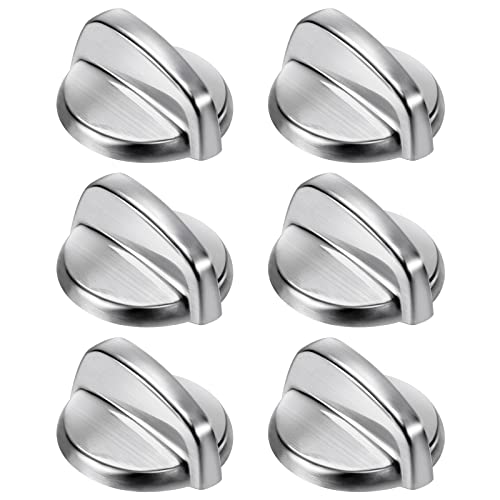
√√【WB03T10325 STOVE KNOB 】:WB03T10325 Burner Control Knobs is for ranges,stove,oven. Stainless steel oven knobs WB03T10325 knobs are made of high-quality Heavy metal. Chrome-plated surface, high temperature resistance, corrosion resistance, aging resistance.▲Heavy Metal Knob WB03T10325 Burner Stove Knobs the installation hole diameter (D shaft size) is 0.25 inch/ 0.635 cm in length, 0.18 in/0.457 cm in width .The knob post is 0.51in long.WB03T10325 Metal Stove Knobs is reinforced with a strong ring in the middle to ensure that the stove knobs can withstand heavy loads, can be better adapted to the size of the furnace bottom shaft
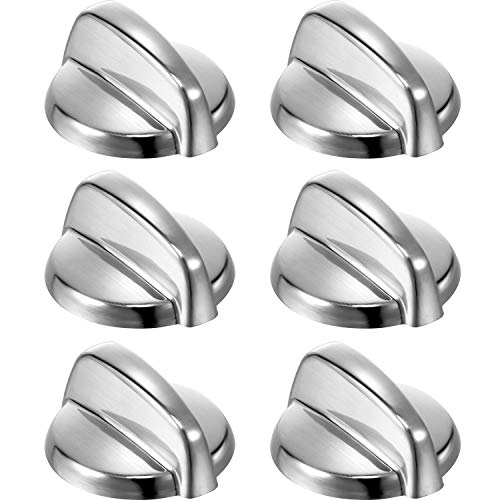
Quality material: this knob is made of plastic with a chrome finish, not stainless steel, but reliable and sturdy, which can be applied for a long time; Note: the product material is chrome plated plastic
Persistent Issues
If the stove continues to fail to heat even after resetting the power and inspecting all connections, this suggests a more serious issue. Consider contacting a technician to evaluate the problem further.
Unusual Sounds or Smells
Strange noises, such as buzzing or clicking sounds, or any burnt odor during operation indicates potential electrical problems. These issues may require immediate professional evaluation to prevent hazards.
Damage to Components
If you notice physical damage to components, such as cracked burners or frayed cords, it’s crucial to seek professional help. These damages can compromise safety and require specialized repairs.
Inconsistent Heating
If only certain burners heat up inconsistently or not at all, a professional can diagnose problems related to the wiring or internal electronics, which may not be obvious through basic troubleshooting.
Warranty Considerations
If your stove is still under warranty, avoid any DIY repairs that may void coverage. Instead, contact GE customer support or an authorized repair service for guidance.
Safety Concerns
If you encounter any electrical issues or gas leaks, prioritize safety and consult a professional immediately. Safety should always come first when dealing with appliances.
By understanding these signs, you can ensure your GE Profile stove operates safely and effectively.
Conclusion
Dealing with a GE Profile stove that won’t heat up can be a hassle but you’ve got the tools to tackle the issue. By following the troubleshooting steps outlined you can identify the problem and get back to enjoying your cooking.
Whether it’s checking power connections or inspecting the heating elements you’re on the right path to restoring your stove’s functionality. If all else fails don’t hesitate to reach out for professional help.
Your cooking experience deserves to be smooth and enjoyable so take the time to address any heating issues and keep your GE Profile stove in top shape. Happy cooking!
Frequently Asked Questions
What should I do if my GE Profile stove is not heating up?
Inspect the power supply first—check the outlet and power cord for damage. If they’re fine, examine the heating element for wear and ensure the thermostat is functioning correctly. Follow the troubleshooting steps in the article for more detailed guidance.
How can I tell if the heating element is faulty?
Look for visible signs of damage, such as cracks or discoloration. You can also test the heating element with a multimeter to check for continuity. If it fails the test, it may need to be replaced.
What causes GE Profile stoves to stop heating?
Common causes include power supply issues, faulty heating elements, malfunctioning thermostats, or damaged connections. Each issue has specific troubleshooting steps to help identify and resolve the problem.
When should I call a professional for my stove?
Seek professional help if you encounter persistent heating issues, unusual sounds or smells, visible component damage, inconsistent heating, or if you’re unsure about safely troubleshooting the appliance.
Are GE Profile stoves energy efficient?
Yes, GE Profile stoves are designed with energy efficiency in mind, offering various features like precise temperature controls and convection cooking to optimize performance and reduce energy consumption.
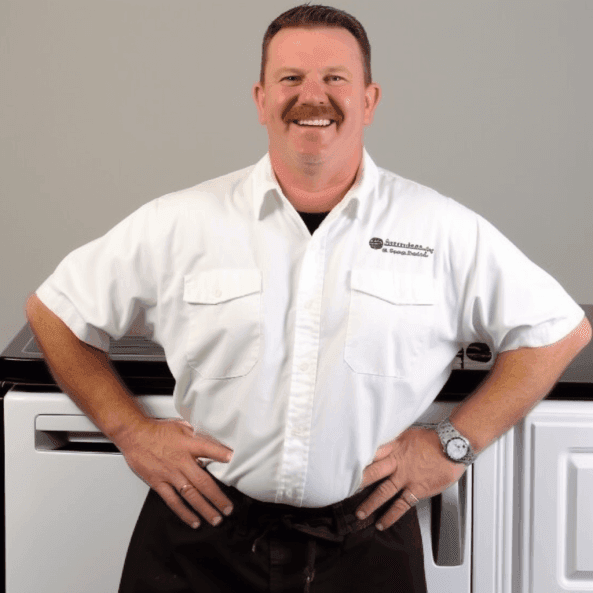
Hey, I’m Jake. I focus on cooling systems at Appliance Mastery, like fridges, freezers, and air conditioners.
I’ve worked in appliance repair for more than ten years and I’m certified through NASTeC. I’ve seen just about every fridge issue you can imagine.
My goal is to help you fix problems without stress. Whether it’s a freezer that won’t cool or an AC that keeps beeping, I’m here to walk you through it.