
GE Washer Error Code 92 signals blocked hot water inlet screens that limit water flow into the machine. Cleaning these screens resolves the fault in the majority of cases. Owners locate the inlet valve on the rear panel and extract debris from the mesh filters to restore normal operation.
Collect GE Washer Cleaning Supplies
Owners need specific items to address GE Washer Error Code 92 without delays during the repair. The right tools allow safe access to the inlet valve and thorough removal of sediment. Proper supplies also prevent damage to the valve body or hoses during handling. Preparation with these materials reduces repeat service calls on the same unit.
| Item | Purpose |
|---|---|
| inlet valve screen kit | Replaces damaged filters inside the hot water port |
| brass wire brush | Scrubs mineral buildup from mesh surfaces |
| adjustable wrench | Loosens and tightens water supply hoses |
| bucket and towels | Catches residual water during hose removal |
Secure GE Washer Work Area
Safety steps protect both the technician and the appliance before any disassembly begins. Water supply lines must remain closed to avoid flooding the laundry space. Power disconnection eliminates shock risks while hands contact metal components. These measures create a stable environment for focused work on the inlet assembly.
Turn off the hot water valve at the wall first. Unplug the GE Washer from its outlet next. Place towels under the rear panel to absorb drips.
GE Error Code 92 Inlet Screen Cleaning
The main repair targets the mesh filters inside the hot water inlet port on GE models. Blockages here trigger Error Code 92 by starving the fill system of adequate pressure. Removal of the hose exposes the screen for direct cleaning. Reinstallation follows once flow returns to normal levels.
Detach the hot water hose with the wrench. Extract the screen from the valve opening.
Scrub the mesh with the brass wire brush under running water. Rinse the screen until no particles remain visible. Reinsert the clean screen and reconnect the hose securely.
A critical warning applies here. Never force the screen during removal because the valve housing can crack.
Check GE Washer Water Pressure
Low household pressure often compounds issues with blocked screens on GE Washers. Testing the supply line confirms whether the error stems solely from debris or from an upstream restriction. Consistent flow above 20 psi supports reliable fill cycles after cleaning. This check prevents misdiagnosis on repeat service visits.
Connect a pressure gauge to the hot water faucet. Run the tap fully open for thirty seconds.
Record the steady reading on the gauge dial. Compare the value against the washer specifications listed in the manual.
Replace GE Inlet Valve if Needed
Persistent Error Code 92 after screen cleaning points to a damaged valve body on the GE Washer. Replacement becomes necessary when cracks or worn seals allow leaks around the inlet ports. The new valve restores full function and prevents water waste during cycles. Matching the original part ensures compatibility with existing wiring and hoses.
Shut off both water supplies again before starting. Remove the rear access panel with a screwdriver.
Disconnect the wiring harness from the old valve. Unbolt the valve assembly and install the replacement unit in reverse order. Secure all connections before restoring power and water.
Test GE Washer Operation Cycle
Final verification confirms that Error Code 92 no longer appears after the inlet screen service. Running a complete fill cycle checks for leaks and proper water volume. Monitoring the control panel during this test catches any remaining faults early. Successful completion returns the unit to daily use without further intervention.
Select a normal wash cycle on the GE Washer. Allow the machine to fill and agitate for two minutes.
Observe the inlet area for drips or unusual noises. Cancel the cycle once the tub reaches the correct level.
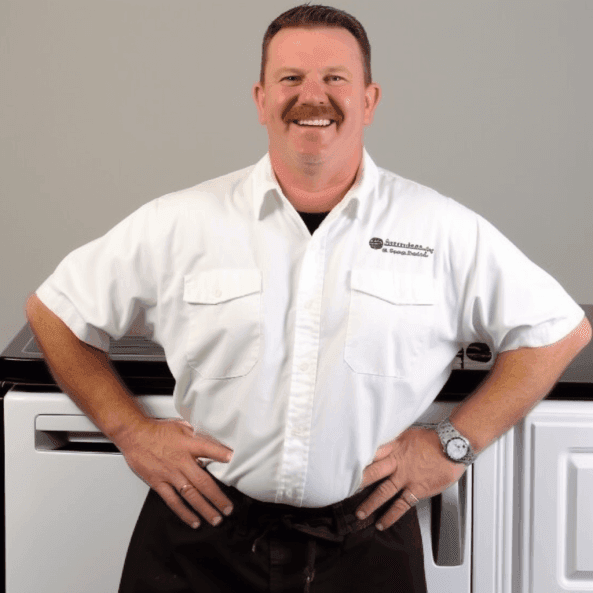
Hey, I’m Jake. I focus on cooling systems at Appliance Mastery, like fridges, freezers, and air conditioners.
I’ve worked in appliance repair for more than ten years and I’m certified through NASTeC. I’ve seen just about every fridge issue you can imagine.
My goal is to help you fix problems without stress. Whether it’s a freezer that won’t cool or an AC that keeps beeping, I’m here to walk you through it.