
Have you noticed water pooling around your heat pump during winter? You’re not alone. Many homeowners face this puzzling issue when temperatures drop. It can be concerning to see water leaking from an outdoor unit, especially when you expect it to be working efficiently.
Understanding why this happens and how to address it can save you time and money. In this article, you’ll learn about common causes of water leaks in winter and practical solutions to keep your heat pump running smoothly. By the end, you’ll feel more confident in managing your system and ensuring it operates effectively all season long.
Key Takeaways
- Understanding Heat Pumps: Familiarize yourself with how heat pumps operate, including the refrigeration cycle, to effectively troubleshoot water leakage issues.
- Common Causes of Leakage: Water leaks during winter can result from condensation, clogged drain lines, defrost cycle failures, or refrigerant problems.
- Importance of Maintenance: Regular maintenance, including annual professional inspections and monthly filter changes, is essential for preventing leaks and maintaining efficiency.
- Weather Impact: Be aware that winter weather conditions, like freezing temperatures and heavy snow, can exacerbate water leakage issues.
- DIY Solutions: Homeowners can take proactive steps, such as clearing drain lines, ensuring the condensate pan is intact, and removing snow and ice from around the unit.
- Call Professionals for Persistent Issues: If problems persist despite DIY efforts, it’s crucial to consult an HVAC technician for accurate diagnosis and repairs.
Understanding Heat Pumps
Heat pumps play a crucial role in home heating and cooling. Understanding how they function helps you address issues like water leakage during winter.
What Is a Heat Pump?
A heat pump is an energy-efficient system that transfers heat between indoors and outdoors. It can provide heating in winter and cooling in summer. Heat pumps come in various types, including air source, ground source, and water source. Each type uses different energy sources to function effectively.
How Does a Heat Pump Work?
A heat pump operates using a refrigeration cycle. It absorbs heat from the outside air, ground, or water and transfers it indoors. In winter, even cold air contains some heat.
- Evaporation: The heat pump absorbs outdoor heat, turning the refrigerant from liquid to gas.
- Compression: The compressor increases the refrigerant’s pressure and temperature.
- Condensation: The hot gas passes through coils inside your home, releasing heat and warming the indoor air.
- Expansion: The refrigerant expands and cools down, returning to the outdoor unit and restarting the cycle.
These steps allow the heat pump to maintain comfortable temperatures, even in chilly conditions. Understanding this process aids in troubleshooting when issues like water leaks occur.
Common Issues with Heat Pumps
Heat pumps can experience several issues during winter, and understanding these will help you troubleshoot problems effectively.
Recommended Products

Wide Compatibility & Effective Defrosting Solution:The SH502 Refrigerator Drain Heater Wire is compatible with Samsung Supco and most standard refrigerators. It targets and solves common fridge issues: efficiently preventing ice buildup on the upper fan and evaporator coil, unclogging frozen drain lines, and ensuring smooth automatic defrosting cycles. By maintaining consistent defrost performance, it preserves your refrigerator’s cooling efficiency and extends its overall lifespan—ideal for replacing faulty or aging drain heaters

Refrigerator Drain Heater Wire: Samsung Refrigerators and most refrigerator have had issues with freezing and ice buildup on evaporator coil and defrost cycle not clearing it. This added heater can provide heat to the upper coil and is tied to the heater circuit. Drain and door heaters wire are designed for stopped ice building up on the inside upper fan of the refrigerator, easy to fix refrigerator frost issue, aluminum heating element for continuous use to protect drains from ice build up.

Replacement compatible for Bosch 00716805 Gutter Heating
Water Leakage: Causes and Effects
Water leakage around heat pumps often occurs due to condensation. Condensation builds up when warm air from the interior meets the cold surface of the heat pump outdoors. Ice accumulation can also lead to leaks. When temperatures rise, ice melts and water drains from the unit.
In colder climates, excessive water may indicate a clogged drain line or a malfunctioning defrost cycle. Blocked drains lead to water pooling, increasing the risk of damage to your unit or surrounding areas. Regularly checking for ice buildup and maintaining clear drain lines will reduce such problems.
Importance of Timely Maintenance
Timely maintenance is essential for preventing leaks and ensuring optimal performance. Scheduling a professional inspection once a year keeps all components in check. Professionals can identify vulnerabilities, like worn weather seals or faulty drain pans, before they lead to water issues.
You can also perform simple tasks, like cleaning or changing air filters every month during the heating season. Proper airflow prevents overheating and ice formation, thus reducing water leakage risks. Regular upkeep helps maintain efficiency, saving you on energy costs and prolonging the unit’s life.
Heat Pump Leaking Water Outside Unit in Winter
Heat pumps sometimes leak water during winter months, a concern homeowners often face. Understanding the causes and effects can help you manage this issue effectively.
Recommended Products

Good Materials: The wrench in our drain kit is carefully crafted from high-quality steel. This sturdy material allows them to withstand torque and wear without breaking easily. Plus, the plastic drain plugs are waterproof and corrosion-resistant, allowing them to serve you reliably for a long time

Versatile Wastewater Pipe Heating Cable: Designed for diverse applications including drain pipes, freezer condensate drainpipe, basement wastewater, sumps, sewer, and sewage systems. This submersible heat trace for pipes is ideal for rainwater collection, septic systems, and outdoor use

Country Of Origin: United States
Reasons for Winter Water Leakage
Water leaks from heat pumps in winter typically stem from several factors:
- Condensation: When warm air from your home meets cold surfaces, condensation forms and may leak outside the unit.
- Clogged Drain Lines: Dirt and debris accumulation can block drain lines, causing water to back up and leak. Regular cleaning prevents this issue.
- Defrost Cycle Issues: Heat pumps use a defrost cycle to remove ice buildup. If malfunctioning, excess water from melted ice can leak out.
- Refrigerant Problems: Low refrigerant levels may cause ice to form on the coils. As the ice melts, water can leak from the unit.
Regular inspections help identify these problems early, preventing costly repairs later.
Impact of Weather Conditions
Winter weather conditions significantly affect heat pump performance. Consider the following:
- Freezing Temperatures: Cold air can lead to increased ice formation on coils, resulting in more water when it melts.
- Heavy Snow: Snow accumulation around your heat pump can block airflow, leading to overheating and extra condensation.
- High Humidity: Increased humidity levels can enhance condensation around the unit, causing water to drip.
Monitoring these conditions enables you to adjust your heat pump settings, ensuring proper function and minimizing leaks. Regular maintenance and prompt attention to changes in performance can keep your system running smoothly.
Solutions and Preventative Measures
Addressing a heat pump leaking water requires both immediate fixes and long-term preventative measures. Understanding the underlying causes helps you effectively manage and maintain your system.
Recommended Products

SAFEGUARD AGAINST DRAIN CLOGS - Don't let clogged AC drain lines lead to property damage. Our Flow Treat tablets provide an easy solution to prevent clogging and buildup, ensuring your air conditioner condensate drain pans remain clear, preventing water overflow and costly property damage
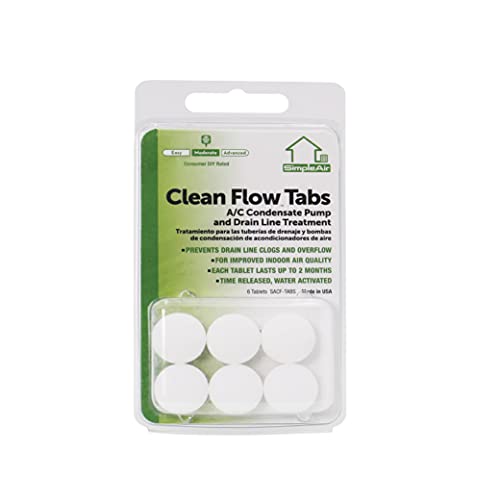
SimpleAir’s Clean Flow Tabs are a simple method to maintain free-flowing drain lines associated with all HVAC systems

DIY Fixes for Homeowners
- Check Drain Lines: Inspect the drain lines for clogs. Clear any debris, which could obstruct water flow and cause leaks.
- Inspect the Condensate Pan: Ensure the condensate pan is not cracked or rusted. If damaged, replace it to prevent water pooling.
- Adjust the Thermostat: Set the thermostat to a temperature that keeps the system running efficiently. Avoid drastic temperature changes that can lead to condensation.
- Clean the Filter: Regularly clean or replace the air filter. A dirty filter limits airflow and can lead to ice buildup, resulting in water leakage when it melts.
- Clear Snow and Ice: Remove snow and ice buildup around the heat pump unit. Excess accumulation can block airflow and trigger leaks.
- Persistent Issues: If water leakage continues despite DIY efforts, contact a professional HVAC technician. They’ll diagnose underlying problems effectively.
- Refrigerant Problems: If you suspect refrigerant leaks, trained experts should handle the repair. Refrigerant issues require specialized knowledge and handling.
- Defrost Cycle Failures: If your system fails to defrost during winter, seek professional help. Defrost cycle problems can lead to significant ice buildup and water leakage.
- Electrical Concerns: Any unusual sounds or electrical issues should prompt a call to a technician. Safety is paramount in these situations.
- System Overhaul: If your heat pump is old and frequently malfunctions, it may be time for a comprehensive evaluation. An expert can help you decide whether repairs or a replacement makes sense.
Conclusion
Dealing with a heat pump leaking water during winter can be frustrating but understanding the causes and solutions makes it manageable. Regular maintenance and timely inspections can save you from bigger headaches down the road.
By keeping an eye on drain lines and ensuring your unit is free from snow and ice, you can help maintain its efficiency. If you notice persistent issues or if your heat pump is older, don’t hesitate to reach out to a professional.
Taking these steps will not only keep your home comfortable but also extend the life of your heat pump. Stay proactive and enjoy a cozy winter season!
Frequently Asked Questions
What causes water to pool around my heat pump in winter?
Water pooling around a heat pump in winter is often due to condensation from the unit’s defrost cycle or issues like clogged drain lines. Ice accumulation can also lead to excess water when it melts. Regular maintenance helps prevent these issues.
How can I prevent water leakage from my heat pump?
To prevent water leakage, routinely check and clean the drain lines, inspect the condensate pan, and clear any snow or ice around the unit. Ensure the defrost cycle is functioning properly and consider regular inspections by a professional.
When should I call a professional for my heat pump?
You should call a professional if you notice persistent water pooling, unusual noises, refrigerant leaks, or if the defrost cycle isn’t working. Expert help is crucial for diagnosing and fixing complex issues that can affect heat pump performance.
What types of heat pumps are there?
There are three main types of heat pumps: air source, ground source, and water source. Each utilizes different methods to transfer heat between indoor and outdoor environments, making them suitable for various climates and applications.
How does a heat pump work?
A heat pump operates using a refrigeration cycle that includes evaporation, compression, condensation, and expansion. It transfers heat from one place to another, effectively heating or cooling a home depending on the setting.
What maintenance tasks can I perform on my heat pump?
Homeowners can perform several maintenance tasks, such as cleaning or replacing air filters, checking drain lines, inspecting the condensate pan, and ensuring snow or ice is cleared from the unit. These practices help maintain efficiency and prevent issues.
How does winter weather impact my heat pump?
Winter weather can negatively affect heat pump performance by causing ice buildup and increasing condensation. Extremely low temperatures can hinder the unit’s efficiency, leading to potential leaks and the need for increased maintenance.
Should I repair or replace my old heat pump?
If your heat pump frequently malfunctions and requires costly repairs, it may be wiser to consider replacement. An evaluation from a professional can help determine if repairs or a new unit would be more cost-effective in the long run.

Hey, I’m Jake. I focus on cooling systems at Appliance Mastery, like fridges, freezers, and air conditioners.
I’ve worked in appliance repair for more than ten years and I’m certified through NASTeC. I’ve seen just about every fridge issue you can imagine.
My goal is to help you fix problems without stress. Whether it’s a freezer that won’t cool or an AC that keeps beeping, I’m here to walk you through it.