
Is your heat pump leaving you feeling warmer than you’d like? It’s frustrating when a system designed to cool your home just isn’t doing its job. You’re not alone—many people encounter this issue, especially during those hot summer months when relief is desperately needed.
In this article, you’ll discover common reasons why your heat pump might not be cooling effectively. From simple fixes you can tackle yourself to when it’s time to call in a professional, we’ll guide you through the steps to get your system back on track. By the end, you’ll feel more confident in troubleshooting the problem and ensuring your home stays comfortable.
Key Takeaways
- Common Issues Identified: Heat pumps may fail to cool due to insufficient refrigerant levels, dirty air filters, or faulty thermostat settings. Recognizing these problems is vital for effective troubleshooting.
- Regular Maintenance is Key: Cleaning or replacing air filters monthly and inspecting refrigerant levels can prevent cooling inefficiencies and extend the lifespan of your heat pump.
- Signals of Malfunction: Look out for unusual noises or inconsistent temperature control, which can indicate deeper issues that require attention.
- Troubleshooting Steps: Basic checks, such as verifying thermostat settings, ensuring proper airflow, and inspecting for ice formation, can often resolve minor issues without professional help.
- Know When to Call a Professional: Seek professional assistance if unusual noises persist, cooling remains insufficient despite basic troubleshooting, or if you suspect refrigerant leaks.
- Service Call Expectations: During a professional inspection, expect a thorough check of refrigerant, electrical connections, and recommendations for maintenance to ensure optimal heat pump performance.
Common Reasons Why Heat Pump Will Not Cool
When your heat pump fails to cool, several common issues might be at play. Understanding these reasons can help you take the necessary steps to address the problem.
Recommended Products

WORKS WITH R410a, R22, R32, R454B, R134a AND MORE - all residential and light commercial refrigerants. Same ProSeal XL4 formula as our standard product. Added UV dye circulates simultaneously - no separate step. Compatible with all oils. Not for ammonia or CO2. If it's in a residential or commercial HVAC system, it's covered.


Insufficient Refrigerant Levels
Insufficient refrigerant levels can significantly reduce a heat pump’s cooling efficiency. Low refrigerant often results from leaks in the system. Inspect the refrigerant lines for visible signs of damage or wear. If you suspect a leak, it’s crucial to contact a professional technician. They can safely recharge your system and seal any leaks, restoring proper function.
Dirty Air Filters
Dirty air filters can restrict airflow, causing your heat pump to struggle. When airflow decreases, the system cannot effectively cool indoor spaces. Check your air filters at least once a month. If they look clogged or dusty, replace them with new ones. Keeping your filters clean often prevents cooling issues and enhances overall efficiency.
Faulty Thermostat Settings
Faulty thermostat settings can lead to incorrect temperature readings. Verify that your thermostat is set to the cooling mode and adjusted to the desired temperature. Sometimes, a simple reset can correct minor issues. If you continue experiencing problems, consider replacing the thermostat or consulting with a professional. They can assess whether your thermostat is functioning correctly or if there are deeper issues within the system.
Signs That Indicate Your Heat Pump Is Malfunctioning
Noticing problems with your heat pump can prevent further issues. Here are key signs to watch for.
Unusual Noises
Hear strange sounds? You might hear clanging, hissing, or rattling. Clanging often signals a loose or broken part. Hissing may indicate a refrigerant leak, while rattling suggests debris in the system. Regular checks can help catch these noises early.
Inconsistent Temperature Control
Feel uneven temperatures throughout your home? Inconsistent cooling suggests your heat pump isn’t functioning well. You might experience hot spots or areas that don’t cool at all. This issue could stem from outdated thermostat settings or ductwork obstructions. Checking and recalibrating your thermostat often resolves this problem.
Steps to Troubleshoot a Heat Pump
Troubleshooting a heat pump that won’t cool involves several straightforward steps. By systematically checking key components, you can diagnose and potentially resolve the issue.
Recommended Products


35/5 uf or MFD micro farad 440 Volt Dual Run Round AC Capacitor . Replaces BOTH 370 & 440 VAC capacitors
Check the Thermostat
- Ensure the thermostat is set to “cool.” It may be accidentally set to “heat” or “off.”
- Confirm that the temperature setting is below the current room temperature. This prompts the heat pump to activate the cooling operation.
- Replace the thermostat batteries, especially if it’s digital. Low battery levels can cause malfunctions.
- Inspect the thermostat placement. Ensure it’s not near heat sources like lamps or registers, which can deliver false readings.
- Clear any debris around the outdoor unit, such as leaves, dirt, or branches. This improves airflow and enhances cooling efficiency.
- Check for ice formation on the coils. If you see ice, turn off the heat pump and let it thaw for 24 hours before restarting.
- Ensure the fan operates when the system is on. Listen for unusual noises that might indicate a malfunctioning fan.
- Examine the refrigerant lines for leaks. If you notice oily spots, this could indicate a refrigerant leak requiring professional service.
By following these steps, you can effectively troubleshoot common issues with your heat pump. If problems persist after checking these components, seeking assistance from a qualified technician may be necessary.
Professional Help for Heat Pump Issues
When troubleshooting a heat pump that won’t cool, some problems require expert attention. Knowing when to call for professional help can save time, money, and energy.
Recommended Products

【𝘿𝙚𝙨𝙞𝙜𝙣𝙚𝙙 𝙁𝙤𝙧 𝙃𝙚𝙖𝙩 𝙋𝙪𝙢𝙥𝙨& 𝙈𝙞𝙣𝙞 𝙎𝙥𝙡𝙞𝙩 𝙎𝙮𝙨𝙩𝙚𝙢𝙨】 Compared with standard models on the market, ALD-200 ASHP refrigerant detector specializes in detecting refrigerants used in heat pumps and mini split AC units, including:R410A, R407C, R32, R1234ze.
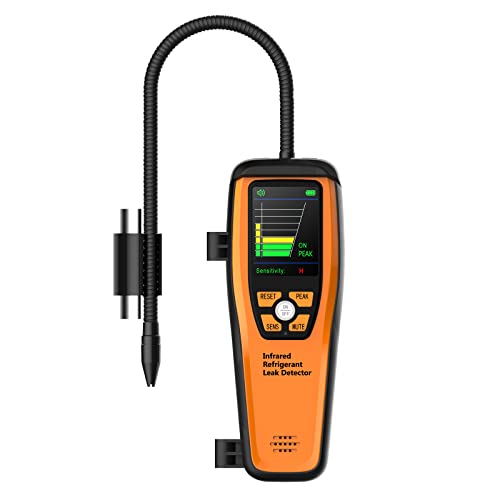
Infrared Leak Detector: Compared with the heated diode leak detector, the infrared refrigerant leak detector has strong anti-interference ability, faster response speed, more accurate and longer service life.

【Aprvtio Upgraded Sensor & 3-in-1 Detection】 Equipped with the aprvtio next-generation heat diode sensor, this gas leak detector goes beyond traditional units to accurately locate leaks in A1 (R410A), A2L (R32, R454B), A3 (R290, R600) refrigerants and other gases such as H2/N2 tracer gas—covering all types with true 3-in-1 detection capability.
When to Call a Technician
Call a technician if you notice unusual noises, like clanging or hissing. These sounds often indicate internal issues, such as loose parts or refrigerant leaks. If the heat pump produces little to no cool air despite having adequate settings, it signifies a more serious problem. Additionally, if the air filter remains clean and the coils are free of ice, yet the system still fails, seek professional assistance. Inconsistent cooling across different rooms, particularly hot spots, may also point to ductwork issues or malfunctioning components requiring an expert’s evaluation.
What to Expect During a Service Call
Expect a thorough inspection of your heat pump during a service call. The technician will assess the refrigerant levels and check for leaks. They’ll examine electrical connections and test the thermostat settings. Cleanup around the unit is often part of the job to ensure optimal airflow. After diagnosing issues, the technician may recommend repairs or replacements and offer advice on regular maintenance. Understanding these steps can help you stay informed and prepared for the visit.
Conclusion
Dealing with a heat pump that won’t cool can be frustrating but you’ve got the tools to tackle it. By checking the basics like thermostat settings and air filters you can often pinpoint the issue yourself. Remember that unusual noises or inconsistent cooling might signal something more serious.
If your troubleshooting doesn’t lead to a solution don’t hesitate to reach out to a professional. They can provide the expertise needed to get your system back on track. Staying proactive with maintenance can also help prevent future problems and keep your home comfortable all summer long.
Frequently Asked Questions
Why is my heat pump not cooling effectively in summer?
A heat pump may fail to cool effectively due to several issues, including low refrigerant levels, dirty air filters, or incorrect thermostat settings. These problems can disrupt airflow and temperature regulation.
How can I troubleshoot my heat pump?
Start by checking the thermostat settings and ensuring it’s in cooling mode and set lower than the room temperature. Inspect the air filters and replace them if dirty, clear debris around the outdoor unit, and check for ice on the coils.
When should I call a professional for heat pump issues?
If you hear unusual noises, experience inconsistent cooling, or the heat pump doesn’t cool despite correct settings, it’s time to seek professional help. These signs may indicate serious issues requiring expert evaluation.
What are the common signs of a malfunctioning heat pump?
Common signs include unusual noises (like clanging or hissing), inadequate cooling in certain areas, and inconsistent temperature control. These issues may point to problems like refrigerant leaks or ductwork blockages.
How often should I perform maintenance on my heat pump?
Regular maintenance should be conducted at least once a year, preferably before the heating or cooling season begins. This includes checking refrigerant levels, cleaning filters, and inspecting the entire system for optimal performance.
Hi, I’m Charlie, and I cover all things laundry here at Appliance Mastery.
I’ve spent over eight years working on washing machines, dryers, and dishwashers. I also have a degree in mechanical engineering, which helps me understand how these appliances really work.
I try to make every guide clear and practical. If you’re stuck with a noisy dryer or a leaking washer, I’ll help you figure out what’s wrong and how to fix it.