
Have you noticed water pooling around your hot water heater? It can be a frustrating and stressful situation. A leak from the front panel not only disrupts your daily routine but can also lead to costly repairs if left unchecked.
Key Takeaways
- Identify Leak Sources: Common causes of leaks from the front panel include corrosion, loose connections, and valve malfunctions. Understanding these can help in diagnosing the issue effectively.
- Regular Maintenance is Key: Implement a proactive maintenance routine, including tightening connections, flushing the tank annually, and monitoring temperature settings to prevent leaks.
- Immediate Repair Actions: Turn off the water supply, drain the heater, and inspect connections immediately upon noticing a leak to minimize water damage.
- Use Temporary Fixes Wisely: While applying silicone sealant can provide a short-term solution for visible cracks, it’s important to plan for permanent repairs.
- Know When to Call a Professional: Persistent leaks, significant water pooling, or signs of corrosion warrant professional assessment to prevent further damage.
- Consider Upgrades: If your hot water heater is older than ten years or consistently malfunctioning, upgrading to a new model can enhance efficiency and decrease the risk of future leaks.
Understanding Hot Water Heaters
Hot water heaters serve a critical role in your home, providing comfort and convenience through heated water for bathing, cooking, and cleaning. You can find two primary types: tank and tankless.
Tank Water Heaters
Tank water heaters store a specific volume of hot water, usually between 20 to 80 gallons. The water sits in a reservoir until needed. You can often identify a leaking tank water heater by signs like rust or corrosion on the tank’s surface. Regular maintenance, such as flushing the tank annually, can help prevent leaks.
Tankless Water Heaters
Tankless water heaters heat water on demand. They don’t store water, which makes them more energy-efficient. However, you might notice leaks from connections or internal components. Regularly checking and maintaining connections can prevent potential issues.
Common Causes of Leaks
Understanding the potential causes of leaks helps you address problems effectively. Here are some common culprits:
- Corrosion: Over time, tank materials can corrode, leading to leaks.
- Loose Connections: Pipes and fittings might become loose, resulting in water escaping.
- Temperature & Pressure Relief Valve: A malfunctioning valve could cause water to leak from the front panel.
- Cracks in the Tank: Age and wear can create cracks that allow water to escape.
Signs of Trouble
Recognizing the signs of a leaking hot water heater is crucial. Look for:
- Water pooling around the base.
- Damp spots on walls or ceilings.
- A drop in water pressure.
Maintenance Tips
Implementing a regular maintenance routine helps prevent leaks:
- Inspect Connections: Regularly check pipe connections and tighten them as necessary.
- Flush the System: At least once a year, drain and flush the tank to remove sediment buildup.
- Monitor Temperature Settings: Keep the thermostat set between 120°F and 140°F to prevent overheating.
Taking these proactive steps can extend the lifespan of your hot water heater and minimize the risk of leaks from the front panel.
Causes of Hot Water Heater Leaking From Front Panel
Leaking from the front panel of a hot water heater can stem from several common issues. Understanding these causes helps you identify the problem quickly and take appropriate action.
Recommended Products
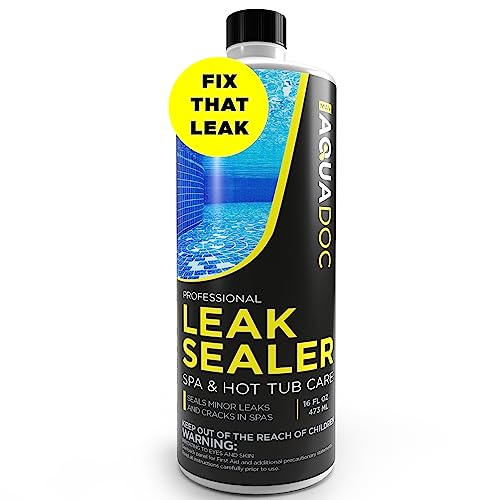
Helps Seal Minor Leaks and Cracks - AquaDoc Hot Tub Leak Sealant is designed to help seal minor leaks and small cracks in spas and hot tubs. Ideal for slow water loss, it works within your system to support leak reduction as part of routine spa care.
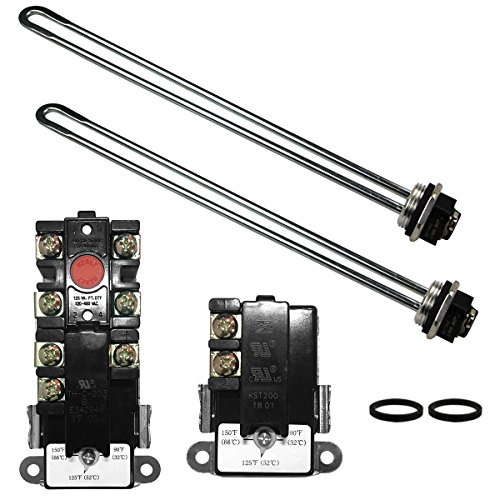
【ONE YEAR WARRANTY】Z Turn-up Kit Includes (2) 4500W 240V COPPER Water Heater Element, Insert Length: 13-9/16". 3500W@208V. Fit Most Brands of Water Heater >= 30 Gallons.
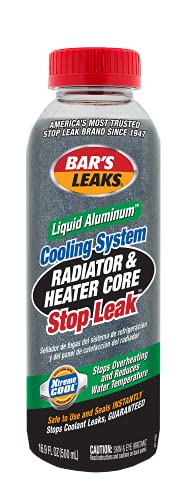
Bar's Leaks Liquid Aluminum Stop Leak seals radiator leaks. Seals freeze plug leaks. Repairs gasket leaks and heater core leaks. Lowers water temperature.
Design Flaws
Design flaws can contribute to leaks in hot water heaters. Some models might have inherent weaknesses, such as poorly sealed joints or inadequate insulation. For instance, older water heaters often suffer from insufficient sealing at assembly points, leading to leaks over time. If you notice water pooling, check for manufacturer defects that may need professional assessment.
Connection Issues
Connection issues frequently cause leaks at the front panel. Loose fittings or damaged pipes often lead to water seepage. Regularly inspect the connections of the inlet and outlet pipes. Tightening loose connections can stop leaks. If you find corrosion on any fittings, replacing them immediately prevents further water damage.
Valve Malfunctions
Valve malfunctions also play a significant role in leaks. The temperature and pressure relief valve (T&P valve) may fail due to excessive pressure or a malfunctioning thermostat. When this valve doesn’t operate correctly, it releases water, which often appears as a leak. Regularly testing the T&P valve ensures it functions properly. If the valve is the cause, replacing it leads to a quick resolution.
Diagnosing the Problem
Diagnosing a leak from the front panel of your hot water heater involves a few essential steps. You’ll need to conduct visual inspections and test connections to pinpoint the issue accurately.
Recommended Products

COMPATIBILITY Designed for Suburban 4/6 Gallon flush-mount water heaters and compatible with 6255APW. NOTE: It CANNOT replace the 6261APW heater door. Double-check your water heater model before purchase to avoid fitment issues.
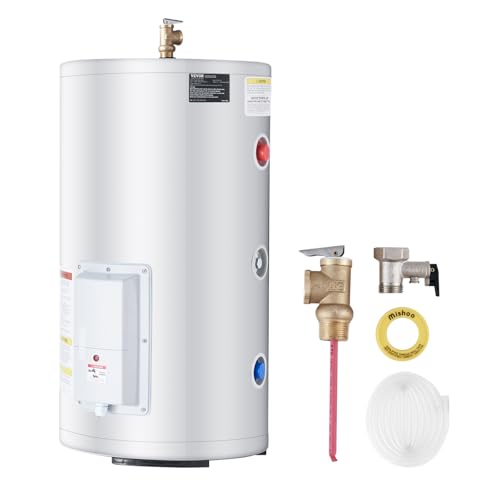
18-Gallon Water Capacity: With a 18-gallon/70L storage capacity, this heater provides ample hot water for family needs, including dishwashing and laundry. Its 1600W high-power heating reduces wait time for hot water at the faucet.

➤ Instant Sink Hot Water - 4 gallons capacity, point-of-use mini tank water heater fits under your sink to provide immediate hot water right where you need it. Eliminate time for hot water. Dimensions: 18H x 12.2W x 11D inches, 2.6ft cord Plugin to use.
Visual Inspections
Start with a thorough visual inspection. Check the front panel for any visible cracks or corrosion. Look for water pooling directly below the panel. Inspect around the edges where the panel meets the tank, as poorly sealed joints can lead to leaks. Pay attention to insulation quality; older models often lack proper insulation, allowing condensation to form. Document any signs of moisture or rust, as these indicate a potential problem area.
Testing Connections
Next, test all connections on your hot water heater. Begin with the cold water inlet and hot water outlet connections. Firmly tighten any loose fittings, as they can cause water to seep. Use a wrench or pliers for secure fitting adjustments. After tightening, check again for leaks. Additionally, examine the temperature and pressure relief valve. Pull the lever to release a small amount of water; a functioning valve should quickly reseal without continued dripping. If water continues to leak after testing, replacement may be necessary.
Solutions for Hot Water Heater Leaking From Front Panel
Addressing a leak from the front panel of your hot water heater can significantly reduce potential damage. Consider the following solutions.
Recommended Products


Find and Fix Leaks Quickly in Virtually Any Material. New Bottle - Industry compliant label.

The Southwire water heater grounding kit is designed for residential water heater use, but can be used across any continuity break in residential plumbing. This bonding is essential to maintain continuous ground path. Kit includes two brass ground clamps and copper conductor.
Immediate Fixes
- Turn Off the Water Supply: Stop the leak by shutting off the water supply to the heater. This measure minimizes further damage.
- Drain the Heater: If water pooling continues, drain the heater. Connect a hose to the drain valve, place the other end outside or in a drain, then open the valve.
- Inspect for Loose Connections: Tighten any loose connections on cold water inlets and hot water outlets. Use a wrench for secure fittings.
- Check the Temperature and Pressure Relief Valve: Test this valve by pulling the lever. Ensure it releases water without a continuous flow. If not, it might need replacement.
- Use a Temporary Seal: Apply silicone sealant around any visible cracks or gaps. This action provides a short-term fix until permanent repairs.
- Replace Faulty Components: Components such as valves and fittings that are malfunctioning or corroded should be replaced. Ensure you use parts compatible with your water heater model.
- Insulate the Heater: Improve insulation around the tank and connections. This helps reduce condensation and prevents future leaks, especially in colder climates.
- Regular Maintenance: Schedule yearly inspections. This practice includes flushing the tank to remove sediment, checking for corrosion, and tightening any loose fittings.
- Seek Professional Help: If repairs become complex, consider hiring a licensed plumber. They’ll diagnose issues accurately and ensure safe repairs.
- Upgrade Your Heater: If your hot water heater is old, consider investing in a new model. Modern units often come with better technology and warranties, reducing the risk of leaks.
These actionable steps will help manage and prevent leaks from the front panel of your hot water heater, keeping your home safe and your routine uninterrupted.
When to Call a Professional
Call a professional if you notice persistent leaks from the front panel despite your efforts to fix them. Ignoring a leak can lead to larger problems, such as water damage or mold growth.
Consider contacting an expert if you observe significant water pooling around the heater. This situation often indicates a serious underlying issue.
Seek professional help if you’ve tightened connections and replaced faulty parts without success. A trained technician can identify complex issues that may not be apparent.
Request assistance if your hot water heater shows signs of corrosion. This condition may point to a failing unit. Repairing corrosion often requires specialized skills.
Engage a plumber for any unusual noises coming from your heater. Sounds like banging or hissing can indicate pressure issues or other mechanical failures.
Finally, consider getting a professional assessment if your heater is older than ten years. Aging units may require replacement rather than repair.
Conclusion
Dealing with a leaking hot water heater can be a hassle but staying proactive makes a big difference. Regular inspections and maintenance can help you catch issues before they escalate. If you notice persistent leaks or signs of trouble don’t hesitate to reach out to a professional.
Your comfort and safety are important so addressing these problems promptly can save you time and money in the long run. Remember that sometimes, an upgrade might be the best solution if your heater is old or consistently problematic. Stay vigilant and take care of your hot water heater to keep your home running smoothly.
Frequently Asked Questions
What causes water pooling around hot water heaters?
Water pooling around hot water heaters is often caused by leaks, which can arise from several sources. Common causes include corrosion, loose connections, malfunctioning temperature and pressure relief valves, and cracks in the tank. Regular inspection and maintenance are key to minimizing these risks.
How can I identify a leak from my hot water heater?
Look for signs such as water pooling around the base, damp spots on the floor, or noticeable drops in water pressure. Conduct a visual inspection for any visible cracks, corrosion, or loose connections to help identify the source of the leak.
Should I attempt to fix my hot water heater leak myself?
If you have basic plumbing skills, you can tighten loose connections or apply temporary seals. However, if the leak persists or involves complex components, it’s best to consult a professional to prevent further damage.
When should I call a professional for hot water heater issues?
Contact a professional if leaks continue after DIY fixes, if there are signs of corrosion or unusual noises, or if your heater is older than ten years. Persistent issues can lead to significant water damage or mold growth.
What maintenance can prevent leaks in hot water heaters?
Regular maintenance includes tightening connections, testing the temperature and pressure relief valve, and inspecting for signs of corrosion or damage. Improving insulation around the heater can also help prevent leaks and extend its lifespan.

Hey, I’m Jake. I focus on cooling systems at Appliance Mastery, like fridges, freezers, and air conditioners.
I’ve worked in appliance repair for more than ten years and I’m certified through NASTeC. I’ve seen just about every fridge issue you can imagine.
My goal is to help you fix problems without stress. Whether it’s a freezer that won’t cool or an AC that keeps beeping, I’m here to walk you through it.