
Have you ever stepped into the shower only to be greeted by a blast of cold water? It’s frustrating when your hot water heater isn’t doing its job. You’re not alone—many people face this issue at some point, and it can turn a relaxing bath into an unwelcome chill.
This article will help you troubleshoot the common reasons your hot water heater might not be heating properly. By understanding the potential causes, you can save time, money, and those unexpected cold showers. Let’s explore some simple steps you can take to get your hot water back on track.
Key Takeaways
- Identify Common Symptoms: Recognize signs of insufficient heating, such as inconsistent water temperature, long heat-up times, no hot water, strange noises, and leaks around the unit.
- Check Thermostat Settings: Ensure thermostat settings are configured between 120°F and 140°F for optimal heating efficiency.
- Inspect Heating Elements: Regularly check and replace faulty heating elements in electric heaters to maintain effective heating.
- Understand When to Call a Professional: Seek expert help if you experience persistent temperature fluctuations, strange noises, or leaks around the unit.
- Consider Repair Costs: Be informed about potential repair costs, which can range significantly depending on the type of issue and the age of the heater.
- Implement Preventative Maintenance: Conduct annual inspections and maintenance tasks, such as flushing the tank and insulating pipes, to enhance performance and extend the lifespan of your hot water heater.
Understanding Hot Water Heater Issues
Hot water heaters can sometimes disappoint by not providing sufficient heat. Recognizing the symptoms and understanding the potential causes helps you troubleshoot effectively.
Common Symptoms of Insufficient Heating
- Inconsistent Water Temperature: You experience fluctuating water temperatures while using faucets or showers, leading to uncomfortable experiences.
- Long Heat-Up Times: It takes significantly longer for the water to reach a comfortable temperature, impacting your daily routine.
- No Hot Water: You turn on the tap and encounter cold water, indicating a failure to heat entirely.
- Strange Noises: You hear popping or rumbling sounds, suggesting sediment buildup in the tank.
- Leaks: You notice water pooling around the heater, which might cause inefficiency in heating.
- Thermostat Issues: A malfunctioning thermostat can prevent the heater from reaching the desired temperature. Check the settings to ensure they are configured correctly.
- Sediment Buildup: Over time, minerals can accumulate in the tank, hindering heat distribution. Flushing the tank periodically helps remove sediment.
- Faulty Heating Element: In electric heaters, a damaged heating element may not provide sufficient heat. Inspect the element and replace it if necessary.
- Inadequate Insulation: Insufficient insulation around pipes can cause heat loss, resulting in lukewarm water. Insulating exposed pipes can maintain water temperature effectively.
- Old Heater: An aging water heater may struggle to heat adequately. If it’s over 10 years old, consider replacement.
By addressing these symptoms and potential causes, you can identify issues with your hot water heater and take appropriate action.
Troubleshooting Your Hot Water Heater
Troubleshooting your hot water heater involves checking specific components to identify issues affecting performance. Here are essential steps to follow.
Recommended Products

LWD UNIVERSAL SCREW-IN WATER HEATER ELEMENT - This screw-in, low watt density-style heating element can be used in most replacement situations of the same wattage and voltage. It reduces lime deposit buildup when used in areas with hard water.
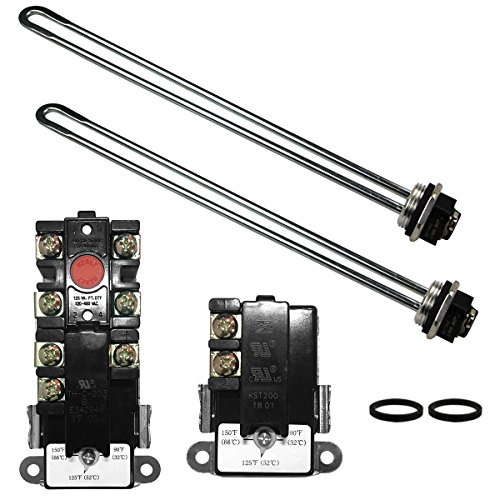
【ONE YEAR WARRANTY】Z Turn-up Kit Includes (2) 4500W 240V COPPER Water Heater Element, Insert Length: 13-9/16". 3500W@208V. Fit Most Brands of Water Heater >= 30 Gallons.

ONE YEAR WARRANTY: Contains 2 × 13-9/16inch Water Heater Element with Gaskets, 3500W@208V
Checking the Thermostat Settings
Start by verifying the thermostat settings on your hot water heater. Ensure the temperature setting falls between 120°F and 140°F. This range provides optimal heating without risking scalding or excessive energy use. Adjust the temperature if necessary.
If your heater has multiple thermostats, check each one. If they are set too low, increase the settings gradually. Observe the water temperature over the next few hours. If the heater still doesn’t provide hot water, further investigation is needed.
Inspecting the Heating Elements
Inspect the heating elements next. Electric water heaters contain two heating elements: one near the bottom and another near the top. If either fails, it can lead to insufficient heating.
To check the elements:
- Turn off the power to the heater at the circuit breaker.
- Remove the access panels covering the heating elements.
- Use a multimeter to test for continuity. A functioning element should show continuity.
If an element is faulty, replace it. Replacement elements are available at hardware stores. Install the new element following the manufacturer’s instructions. Restore power and monitor the hot water supply again.
By methodically checking the thermostat settings and inspecting heating elements, you’ll be better equipped to address poor heating issues in your hot water heater.
When to Call a Professional
Recognizing when to enlist a professional’s help can save you time and avoid unnecessary complications. If you encounter persistent difficulties with your hot water heater, consider the following aspects.
Recommended Products


[Designed for Routine RV Maintenance] This maintenance kit is intended for routine RV water heater service and upgrades. Ideal for experienced RV owners and technicians.Includes a 120V 1440W heating element, wrench socket, magnesium anode rod (21 mm diameter, 235 mm length, 3/4″ NPT thread), and PTFE tape — everything needed for a full maintenance service

Signs You Need Expert Help
- Inconsistent Water Temperature: If temperature fluctuates significantly, it’s a sign of a malfunctioning thermostat or heating element.
- Strange Sounds: Unexpected noises, such as popping or banging, often indicate sediment buildup or issues with internal components.
- Leaks Around the Unit: Any sign of water pooling or leakage requires immediate attention to prevent further damage.
- Frequent Resetting: If you continually reset the unit, that might signal deeper electrical or mechanical problems.
- Age of the Heater: If your heater’s over 10 years old and struggling to heat water, it might be time for a replacement.
Cost Considerations for Repairs
Understanding repair costs can help you make informed decisions. Costs typically vary based on the nature of the issue and labor involved.
| Repair Type | Estimated Cost Range |
|---|---|
| Thermostat Replacement | $150 – $350 |
| Heating Element Replacement | $200 – $500 |
| Sediment Flush | $100 – $300 |
| Complete Unit Replacement | $800 – $2,500 |
Factors influencing costs include location, heater type, and complexity of the repair. It’s wise to gather multiple quotes from local professionals. This action ensures you receive fair prices and quality service.
Preventative Maintenance Tips
Regular maintenance prevents many heating issues with your hot water heater. Implementing simple tasks keeps your unit running efficiently and extends its lifespan.
Regular Inspections and Maintenance
Inspect your hot water heater at least once a year. Look for leaks, rust, or corrosion around the unit. Test the temperature and pressure relief valve to ensure it operates properly. Drain the tank annually to remove sediment buildup, which can hinder performance. Follow these steps:
- Turn off the power: For electric units, switch off the breaker. For gas, set the thermostat to “pilot.”
- Connect a hose: Attach a drainage hose to the valve at the tank’s bottom.
- Drain water: Open the valve and let the water flow into a bucket or drain. Stop once the water runs clear.
- Flush: Close the valve and refill the tank before restoring power.
Best Practices for Energy Efficiency
Enhancing energy efficiency saves money on utility bills. Consider these practices to maximize efficiency:
- Set the thermostat: Maintain a temperature between 120°F and 140°F.
- Insulate pipes: Use foam pipe insulation to reduce heat loss.
- Install a timer: For electric units, a timer can minimize heating during off-peak hours.
- Upgrade when necessary: If your heater is over 10 years old, consider replacing it with an energy-efficient model.
Following these preventative maintenance tips can significantly improve your hot water heater’s performance and longevity.
Conclusion
Dealing with a hot water heater that just won’t heat can be a real hassle. But by understanding the common issues and taking a few simple steps, you can often get things back on track without too much trouble.
Remember to keep an eye on the signs that indicate when it’s time to call in a pro. Regular maintenance can also go a long way in preventing future problems.
With a little attention and care, you can enjoy consistent hot water and avoid those unexpected chilly showers. Here’s to keeping your hot water flowing smoothly!
Frequently Asked Questions
What causes a hot water heater to stop heating water?
A hot water heater may stop heating due to issues like thermostat malfunctions, sediment buildup, faulty heating elements, or inadequate insulation. Age can also affect functionality. Identifying these causes can help restore proper heating.
How can I tell if my water heater is malfunctioning?
Common symptoms include inconsistent water temperature, long heat-up times, complete lack of hot water, strange noises, and visible leaks. Noticing these signs indicates it’s time to troubleshoot your unit.
What are some quick troubleshooting steps I can take?
Check thermostat settings, ensuring they are set between 120°F and 140°F. Inspect heating elements for continuity, and look for any visible leaks. These steps can help identify and resolve heating issues.
When should I call a professional for my water heater?
You should call a professional if you experience inconsistent water temperature, strange sounds, leaks, frequent resetting, or if your heater is over 10 years old. These signs often indicate more severe problems that require expert attention.
What are the potential repair costs for a hot water heater?
Repair costs can range from $100 to $2,500, depending on the repair type, location, and complexity. It’s advisable to gather multiple quotes from local professionals for a better understanding of potential expenses.
How can I prevent future heating issues with my water heater?
Regular maintenance is key. Inspect your heater yearly for leaks and rust, test the temperature and pressure relief valve, and drain the tank annually to remove sediment. These practices enhance performance and longevity.
What temperature should I set my water heater to for efficiency?
For optimal heating and energy efficiency, set your water heater’s thermostat between 120°F and 140°F. This range helps prevent scalding and reduces energy consumption, prolonging the life of the unit.
Hey, I’m Jake. I focus on cooling systems at Appliance Mastery, like fridges, freezers, and air conditioners.
I’ve worked in appliance repair for more than ten years and I’m certified through NASTeC. I’ve seen just about every fridge issue you can imagine.
My goal is to help you fix problems without stress. Whether it’s a freezer that won’t cool or an AC that keeps beeping, I’m here to walk you through it.