
Ever jumped into the shower only to be greeted by a stream of lukewarm water? You’re not alone. Many people face the frustrating issue of their hot water heater not producing enough hot water, leaving them scrambling for solutions.
Key Takeaways
- Sediment Buildup: Regularly flush your hot water heater to remove sediment and enhance heating efficiency, ideally every six months.
- Heating Element Checks: Test the heating elements for functionality; replace any faulty elements to restore adequate hot water supply.
- Thermostat Settings: Adjust the thermostat between 120°F and 140°F for optimal water temperature; faulty thermostats may need replacement.
- Visual Inspections: Conduct routine inspections for leaks, corrosion, and secure connections to identify potential hot water issues early.
- Preventive Maintenance: Implement a regular flushing schedule and insulate hot water pipes to improve efficiency and prevent heat loss.
Common Causes of Hot Water Heater Not Making Much Hot Water
Several factors can lead to the insufficient hot water output from your heater. Understanding these causes can help you troubleshoot and resolve the issue effectively.
Recommended Products

LWD UNIVERSAL SCREW-IN WATER HEATER ELEMENT - This screw-in, low watt density-style heating element can be used in most replacement situations of the same wattage and voltage. It reduces lime deposit buildup when used in areas with hard water.
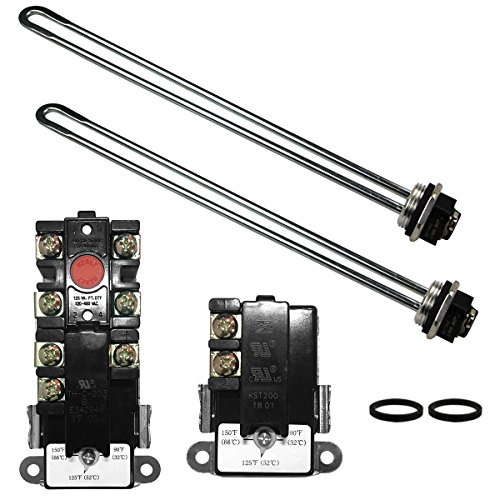
【ONE YEAR WARRANTY】Z Turn-up Kit Includes (2) 4500W 240V COPPER Water Heater Element, Insert Length: 13-9/16". 3500W@208V. Fit Most Brands of Water Heater >= 30 Gallons.

ONE YEAR WARRANTY: Contains 2 × 13-9/16inch Water Heater Element with Gaskets, 3500W@208V
Sediment Buildup
Sediment buildup occurs at the bottom of the tank due to mineral deposits from hard water. This accumulation can hinder the heating element’s efficiency. Periodically flushing the tank can remove the sediment. To do this, turn off the heater, attach a hose to the drain valve, and let the water flow out until it runs clear. This process may require repeating every six months for optimal performance.
Heating Element Failures
A malfunctioning heating element may result in inadequate hot water supply. Electric water heaters often contain two heating elements—one for the upper section and one for the lower. If either element fails, hot water production drops. You can test the elements with a multimeter for continuity. Replace any faulty elements to restore proper functionality.
Thermostat Issues
Thermostat problems can prevent the water from reaching the desired temperature. The thermostat may be set too low or malfunctioning. You can adjust the thermostat settings between 120°F and 140°F for a comfortable temperature. If adjustments don’t resolve the issue, check for wiring problems or consider replacing the thermostat altogether.
By addressing these common causes, you can improve your hot water heater’s performance and ensure a steady supply of hot water.
Diagnosing Hot Water Heater Problems
Diagnosing issues with your hot water heater requires a structured approach. Start with basic visual inspections before moving on to more technical tests.
Recommended Products

High Watt Density heating element

Minimum tank diameter 14"
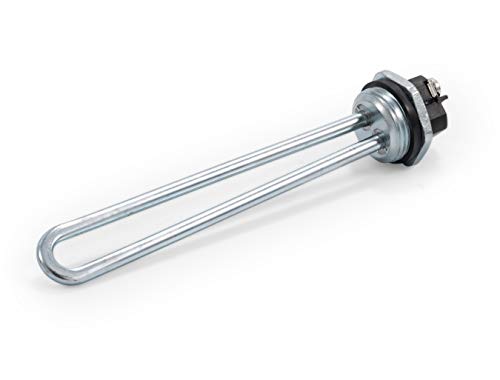
HWD Universal Screw-In Water Heater Element: This screw-in hair-pin, high watt density-style flange heating element can be used in most replacement situations of the same wattage and voltage
Visual Inspections
- Check for Leaks: Inspect the area around the heater for any signs of water. Leaks can indicate issues with fittings, valves, or the tank itself.
- Examine the Tank: Look for any rust or corrosion on the tank exterior. These signs can suggest wear and may lead to future failures.
- Inspect Connections: Verify that the water inlet and outlet connections are secure. Loose connections can affect hot water delivery.
- Assess the Pressure Relief Valve: Ensure that the valve isn’t leaking or discharging water. A faulty valve can cause pressure issues, affecting hot water supply.
- Turn Off Power: Before testing any components, switch off the power supply to the heater. This prevents electrical hazards during inspections.
- Test Heating Elements: Use a multimeter to measure resistance across the heating elements. A reading of zero or infinite resistance indicates a faulty element that requires replacement.
- Check the Thermostat: Locate and test the thermostat settings. Ensure it’s set above 120°F (49°C) for optimal hot water production. If it’s set correctly and water remains cold, consider replacing it.
- Evaluate the Temperature: If water isn’t reaching the desired temperature, test both upper and lower thermostats. A malfunctioning thermostat can impact overall heating efficiency.
- Monitor Recovery Rate: Run hot water and note how long it takes for the heater to restore temperature. A slow recovery rate can hint at sediment buildup or heating element failure.
This systematic approach helps you identify the underlying problems with your hot water heater, allowing for targeted solutions and restoration of hot water supply.
Solutions and Repairs
You can address the issue of your hot water heater not producing enough hot water through a few straightforward solutions. Here’s how to tackle it effectively.
Flushing the Tank
Flushing the tank regularly helps remove sediment buildup. Sediment can accumulate from hard water, reducing heating efficiency.
- Turn off Power: For electric heaters, switch off the circuit breaker. For gas heaters, set the thermostat to the pilot position.
- Connect a Hose: Attach a garden hose to the drain valve at the bottom of the tank. Ensure the other end is in a floor drain or outside.
- Drain the Tank: Open the drain valve slowly. Allow the tank to drain completely.
- Flush with Cold Water: Turn on the cold water supply for a few minutes to stir up any remaining sediment.
- Close the Valve: After flushing, close the drain valve, remove the hose, and refill the tank.
Flushing your tank annually can improve performance and longevity.
Replacing Heating Elements
If flushing doesn’t solve the problem, considering heating element replacement can restore water heating efficiency. Faulty or corroded heating elements can drastically reduce hot water output.
- Turn off Power: Ensure the power is off at the breaker or gas supply to avoid any hazards.
- Remove the Access Panels: If you have an electric water heater, unscrew and remove the access panels to reach the heating elements.
- Disconnect the Element: Use a socket wrench to detach the heating element from the tank. Remove any wires carefully.
- Install the New Element: Insert the new heating element and secure it tightly. Reconnect the wires, ensuring proper placement.
- Restore Power: Replace the access panels and switch on the power supply. Allow the water to heat up and check for leaks.
Testing a new heating element can improve hot water availability significantly. Regular maintenance of heating components ensures a reliable hot water supply.
Preventive Maintenance Tips
Maintaining your hot water heater ensures it operates efficiently and consistently provides hot water. Implementing simple preventive measures can extend the life of your unit and improve performance.
Regular Flushing Schedule
Flush your hot water heater at least once a year. This process removes sediment buildup, which can hinder heating efficiency.
- Turn Off Power: For electric heaters, switch off the circuit breaker. For gas heaters, set the thermostat to the lowest setting.
- Connect a Hose: Attach a garden hose to the drain valve at the bottom of the tank.
- Open Valve: Open the drain valve and let the water run out. This may take some time.
- Flush: Once empty, briefly turn on the cold water supply to stir up any remaining sediment. Let the water run out until it runs clear.
- Close Valve and Refill: Close the drain valve, remove the hose, and refill the tank by turning the cold water supply back on. Restore power afterward.
Regular flushing keeps your heater running smoothly and efficiently.
Insulating Pipes
Insulating your hot water pipes improves heat retention and enhances efficiency. This process can prevent heat loss as water travels from the heater to your outlets.
- Choose Insulation: Use fiberglass or foam pipe insulation that fits your pipe diameter.
- Cut to Size: Measure and cut the insulation pieces to fit each section of exposed pipe.
- Install Insulation: Wrap the insulation around the pipe, securing it with tape or zip ties.
- Seal Joints: Ensure all joints are well-insulated to avoid cold spots.
Insulating pipes reduces heat loss, allowing your hot water heater to work less while providing the same amount of hot water.
Conclusion
Dealing with a hot water heater that isn’t delivering enough hot water can be frustrating. By taking a few simple steps to identify the problem and implementing regular maintenance, you can keep your hot water flowing smoothly. Remember to check for sediment buildup and inspect the heating elements and thermostat.
Regular flushing of the tank and insulating your pipes can make a big difference in efficiency. With a little effort and attention, you’ll ensure that your hot water heater performs at its best. You deserve a reliable supply of hot water for your daily needs.
Frequently Asked Questions
What causes insufficient hot water in a heater?
Insufficient hot water can stem from several issues, including sediment buildup, faulty heating elements, and thermostat malfunctions. Sediment from hard water reduces heating efficiency, while broken heating elements limit hot water production. Additionally, a malfunctioning thermostat may prevent water from reaching the desired temperature.
How can I diagnose hot water heater problems?
Begin by checking for visible leaks, rust, or corrosion on the tank. Ensure connections are secure and assess the pressure relief valve. It’s essential to turn off power before testing. Use a multimeter to check the heating elements and verify thermostat settings are above 120°F (49°C).
How often should I flush my hot water heater?
It is recommended to flush your hot water heater at least once a year. Regular flushing removes sediment buildup, enhancing heating efficiency and extending the heater’s lifespan. Establishing a routine can prevent problems that lead to insufficient hot water.
What is the process for flushing a hot water heater?
To flush your hot water heater, first turn off the power and connect a hose to the drain valve. Drain the tank completely, then flush it with cold water to remove sediment. Finally, close the valve, refill the tank, and restore power.
How can I improve the hot water heater’s efficiency?
To enhance efficiency, regularly flush the tank, ideally once a year to reduce sediment buildup. Additionally, insulate hot water pipes to minimize heat loss, which can improve overall performance and ensure a steady hot water supply.

Hey, I’m Jake. I focus on cooling systems at Appliance Mastery, like fridges, freezers, and air conditioners.
I’ve worked in appliance repair for more than ten years and I’m certified through NASTeC. I’ve seen just about every fridge issue you can imagine.
My goal is to help you fix problems without stress. Whether it’s a freezer that won’t cool or an AC that keeps beeping, I’m here to walk you through it.