
Ever wondered how that cool blast of air from your blow dryer actually works? Picture this: you’re running late, and your hair is just not cooperating. Enter the cold setting on your blow dryer – a game-changer in the world of hairstyling. But how does it work its magic?
Basics of Blow Dryers
When it comes to styling your hair, blow dryers are essential tools that offer versatility and convenience. Here are some key points about the basics of blow dryers:
- Components: A typical blow dryer consists of a heating element, a fan, and various speed and heat settings.
- Functionality: The heating element warms the air, which is then pushed out by the fan to dry your hair.
- Cool Setting: The cool setting on a blow dryer releases unheated air, helping to set your hairstyle and add shine.
- Usage: Using the cold setting can help reduce frizz and prevent heat damage, making it ideal for finishing off your look.
- Benefits: Incorporating the cold setting in your blow drying routine can contribute to healthier-looking hair in the long term.
- Tips: Remember to hold the blow dryer at a distance to avoid heat damage, and use a cool shot of air to seal the hair cuticle for a polished finish.
Recommended Products
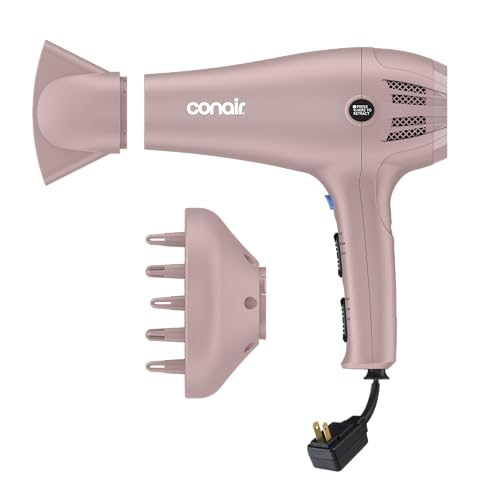
FRIZZ, MEET YOUR MATCH: Ionic Technology and Tourmaline Ceramic team up to dry fast, fight frizz, and leave hair shiny and healthy-looking with this Conair Hair Dryer.

IONIC TECHNOLOGY: Combat frizz and static with negative ions, so your hair looks and feels soft, smooth and shiny.

POWERFUL TRAVEL DESIGN: This Conair 1875 hair dryer delivers strong airflow in a lightweight body, working as a reliable hair dryer, mini hair dryer, and blow dryer for users seeking portable performance on every trip
Understanding the Cold Setting
When using a blow dryer, the cold setting may seem counterintuitive, but it serves a crucial purpose in your hair care routine. Here’s how it works:
- Sealing the Cuticle: The cold shot of air helps seal the hair cuticle, locking in moisture and adding a beautiful shine to your hair.
- Setting Your Style: After styling with heat, a blast of cold air helps set your hairstyle in place, making it last longer.
- Reducing Frizz: By closing the hair cuticle, the cold setting reduces frizz and leaves your hair looking smoother.
- Preventing Heat Damage: Alternating between hot and cold air can help prevent heat damage and keep your hair healthy over time.
Recommended Products

Professional Hair Dryer: This dryer features an 1875 watt AC motor that delivers powerful airflow for faster drying and longer dryer life, with Ionic technology for smooth, shiny looking, frizz free hair
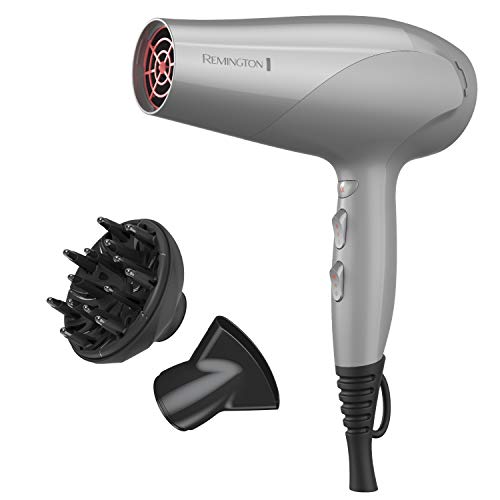
HEALTHY SHINE WITH ADVANCED PROTECTION: The REMINGTON Damage Protection Hair Dryer offers 3X more protection, Micro-Conditioner Technology, and reliable airflow to reduce inconsistent heating and promote shiny, healthy hair for every use.

Maintain Hair's Natural Moisture: Infrared Heat Technology helps prevent over-drying while supporting healthy-looking shine
Benefits of Using the Cold Setting
Retains Moisture
Using the cold setting helps seal the hair cuticle, locking in moisture and preventing dryness.
Enhances Shine
The cold shot of air adds shine to your hair by closing the cuticle and reflecting light.
Reduces Frizz
By sealing the hair cuticle, the cold setting reduces frizz, keeping your hair smooth and sleek.
Sets Hairstyles
After styling, a burst of cold air helps set your hairdo in place, making it last longer.
Prevents Heat Damage
Switching to the cold setting after using heat helps protect your hair from excessive damage.
| Facts | Data |
|---|---|
| Moisture Retention | Helps seal the hair cuticle |
| Shine enhancement | Adds shine by closing the cuticle |
| Frizz reduction | Reduces frizz by sealing the cuticle |
| Hairstyle setting | Helps set hairstyles in place |
| Heat damage prevention | Protects hair from damage |
Tips for Using the Cold Setting Effectively
- Keep a Safe Distance: When using the cold setting on your blow dryer, hold it about 6 to 8 inches away from your hair to prevent direct exposure that could potentially cause damage.
- Section Your Hair: For best results, section your hair before using the cold setting. Separate your hair into parts and work on one section at a time to ensure even cooling and styling.
- Use a Concentrator Nozzle: Attach a concentrator nozzle to your blow dryer when using the cold setting to direct the airflow precisely where you need it and prevent hair from scattering.
- Finish with a Blast: After blow-drying your hair with heat, finish off the style with a blast of cold air to seal the hair cuticle and lock in moisture for a sleek and polished look.
Recommended Products

Targeted Airflow Control: Designed to fit hairdryers with a nozzle outer diameter of 4.3–4.7 cm, this hair dryer attachment delivers focused airflow for controlled styling. The concentrator nozzle for hair dryer helps guide heat precisely where needed, supporting salon-style results at home or in professional settings

Powerful Motor for Faster Drying: The professional hair dryer delivers strong wind for fast drying even thick wavy hair in less time, because of the high airflow motor, up to 21,000 rpm. Compact design will be more lightweight & portable.
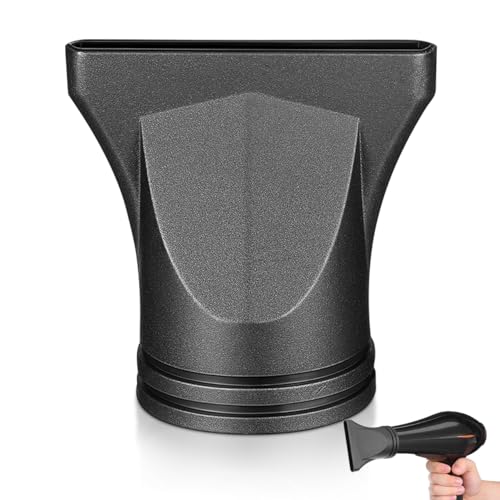
Durable build: constructed from plastic, this nozzle is built to withstand frequent use without breaking,diffuser nozzle attachment,hair dryer attachment nozzle
Conclusion
That’s it! You now have the know-how to make the most of the cold setting on your blow dryer. Remember to maintain a safe distance, section your hair, use a concentrator nozzle, and finish off with a burst of cold air for that perfect, polished finish. With these simple tips, you’ll be able to achieve salon-worthy results right at home. Happy styling!
Frequently Asked Questions
How should I use the cold setting on my blow dryer effectively?
To use the cold setting effectively on your blow dryer, maintain a safe distance of 6 to 8 inches from your hair to prevent damage. Section your hair for even cooling, use a concentrator nozzle for precise airflow, and finish with a blast of cold air to seal the hair cuticle and lock in moisture for a polished look.

Hi, I’m Charlie, and I cover all things laundry here at Appliance Mastery.
I’ve spent over eight years working on washing machines, dryers, and dishwashers. I also have a degree in mechanical engineering, which helps me understand how these appliances really work.
I try to make every guide clear and practical. If you’re stuck with a noisy dryer or a leaking washer, I’ll help you figure out what’s wrong and how to fix it.