
Ever wondered why your clothes take forever to dry? Picture this: you’re constantly restarting the dryer, but your laundry remains damp. The culprit might just be a clogged rooftop dryer vent. Don’t worry; you’re not alone in this struggle.
Importance of Cleaning Rooftop Dryer Vents
When it comes to cleaning rooftop dryer vents, it’s essential to understand the importance behind this chore. Neglecting your ventilation system can lead to fire hazards and inefficient drying. Here’s why it matters:
- Preventing Fire Risks: A clogged dryer vent is a primary cause of house fires. Cleaning it regularly reduces this risk significantly.
- Efficient Drying: A clean vent allows for proper airflow, speeding up the drying process and saving you time and energy.
- Extend Dryer Life: A well-maintained vent prolongs the life of your dryer by reducing strain on the machine.
Regular maintenance of your rooftop dryer vent is a small task that yields significant rewards in safety and efficiency.
Signs of a Clogged Rooftop Dryer Vent
Is your dryer taking longer than usual to dry your clothes? Are your clothes coming out hotter than normal? These could be signs that your rooftop dryer vent is clogged. Here are some key indicators to look out for:
- Increased Drying Time: If your laundry now takes more than one cycle to dry, it’s a sign of restricted airflow due to a possible clog.
- Hot Exterior of the Dryer: Do you notice that the outside of your dryer feels unusually hot to the touch? This could mean that the appliance is overheating due to poor ventilation.
- Excessive Lint Build-Up: Check the lint trap – if you see a buildup of lint even after each cycle, it may indicate a clog in the venting system.
- Burning Smell: A burning odor while the dryer is running is a clear signal that something is amiss and needs immediate attention.
Ignoring these warning signs can lead to more than just inefficient drying; it can also pose a significant fire risk. Regular maintenance and cleaning of your rooftop dryer vent are crucial for the safety of your home and the longevity of your appliance.
Tools Needed for Cleaning
When it comes to cleaning your rooftop dryer vent, having the right tools on hand is crucial for a safe and effective process. Here are the essential tools you’ll need:
- Screwdriver: To loosen and remove the dryer vent clamp.
- Vacuum with Crevice Tool: For sucking out lint and debris from the vent.
- Dryer Vent Brush: Ideal for scrubbing and dislodging stubborn lint buildup.
- Duct Tape: Use it to create a seal between the vacuum hose and vent opening.
- Safety Goggles and Gloves: Protect your eyes and hands from dust and debris.
- Ladder: To safely access and work on the rooftop dryer vent.
Recommended Products

Home Essentials: Holikme dryer vent cleaner kit can easily help you to remove years of built up lint from your dryer vent, making your appliance runs more efficiently and securely; Suitable for most dryer types, please kindly check our product size information for reference in order to better shopping experience

Multi-Purpose Cleaning: Effectively cleans dryer vents, lint traps, and air conditioner coils with the included flexible dryer vent brush and appliance brush,dryer vacuum hose attachment.

Extended cleaning hose reaches deep inside ductwork, paired with vent-specific fittings to reach lint buildup spots. It quickly clears trapped debris to boost airflow and shorten drying cycles
Steps to Clean Rooftop Dryer Vent
To clean your rooftop dryer vent thoroughly and reduce the risk of fire hazards and inefficiencies, here are the steps you should follow:
- Start by disconnecting the dryer from the power source.
- Climb to the rooftop using a secure ladder.
- Remove the vent cover carefully.
- Inspect the vent for any debris accumulation.
- Clear the vent using a dryer vent brush or vacuum with a crevice tool.
- Check and clean the vent cover before reattaching it securely.
- Reconnect the dryer to the power source and test for proper airflow.
Important: Cleaning your rooftop dryer vent regularly ensures its optimal performance and safety. Remember to wear safety goggles and gloves throughout the cleaning process.
Safety Note: If you encounter significant clogs or issues, consider reaching out to a professional for assistance.
| Key Point | Data/Statistic |
|---|---|
| Regular cleaning | Keeps the dryer efficient and prevents fire hazards |
| Safety gear | Safety goggles and gloves are essential during cleaning |
| Professional help | Consider professional assistance for severe clogs |
Recommended Products

[Stretch Universal Connector] PetOde dryer lint vacuum cleaner attachment is designed with a premium elasticated stretch universal connector that can be connected to most vacuum cleaners! Say goodbye to the worry of purchasing incompatible attachment models
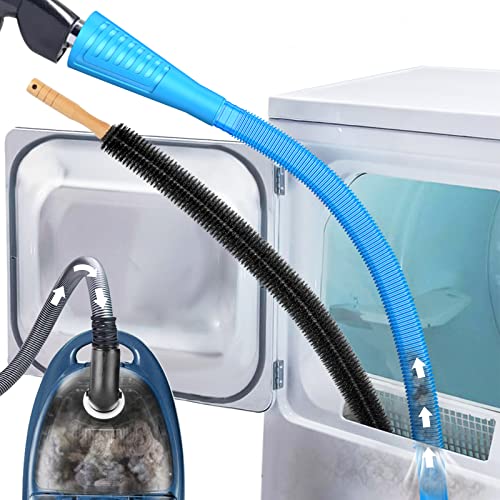
[REMOVE LINT BUILD-UP] - Sealegend dryer vent cleaner dryer replacement parts removes lint that has accumulated for many years in your dryer vents, making your appliance runs more efficiently and securely.

COMPREHENSIVE DRYER VENT CLEANER KIT: Premium clothes dryer replacement vents will help you deep clean buildup lint in the dryer. Package Includes:DRYER VENT BRUSH HEAD x1,NYLON RODSx1,BLUE LONG VACUUM HOSE(31.5”) x1,BLUE ADAPTER(5.5”)x1,HOSE CONNECTION ACCESSORIER(7.5”) x1,DRYER LINT BRUSH x1,DRYER ADAPTER x1,VACUUM CLEANER ADAPTER x1,GAP CLEANING BRUSH x2, LINT TRAP BRUSH x1,ANTI-SLIP GLOVES x2,LINT GRABBER x1,COLLECTION BAG x1,LAUNDRY BAG x1,STRONG TAPE(FOR NYLON ROD) x2,DUST COLLECTOR BAG x30,DRILL BIT x1,TRANSPARENT SELF-ADHESIVE HOOK x5,SMALL GAP BRUSH x2,GROOVE GAP BRUSH x2
Safety Precautions to Consider
When it comes to cleaning rooftop dryer vents, your safety should always be a top priority. Here are some key safety precautions to keep in mind:
- Wear protective gear such as goggles and gloves to shield yourself from debris and chemicals.
- Use a sturdy ladder and have someone assist you to prevent falls when working at heights.
- Ensure the dryer is unplugged to avoid any electrical mishaps while cleaning.
- Beware of sharp objects and edges within the vent that could cause injuries.
- Work in well-ventilated areas to avoid inhalation of dust and mold particles.
- Avoid using flammable materials near the dryer vent, reducing the risk of fire hazards.
Remember, your well-being is paramount. By following these safety guidelines, you can effectively clean your rooftop dryer vent while prioritizing your personal safety.
Conclusion
Ensuring your rooftop dryer vent is clean is essential for safety and efficiency. By following the steps outlined in this article and maintaining regular upkeep, you can prevent potential hazards and keep your dryer running smoothly. Remember to prioritize safety by wearing protective gear, using a sturdy ladder, unplugging the dryer, and working in well-ventilated areas. Being mindful of these safety precautions will make the cleaning process hassle-free and secure. Keep up with regular maintenance to prolong the life of your dryer and safeguard your home from potential risks.
Frequently Asked Questions
Why is cleaning rooftop dryer vents important?
Regularly cleaning rooftop dryer vents is crucial for safety and efficiency. It helps prevent fires caused by lint buildup and ensures proper ventilation for the dryer to function effectively.
What safety precautions should be taken when cleaning rooftop dryer vents?
When cleaning rooftop dryer vents, always wear protective gear, use a sturdy ladder, ensure the dryer is unplugged, be cautious of sharp objects, work in well-ventilated areas, and avoid flammable materials to prioritize personal safety.
How often should rooftop dryer vents be cleaned?
It is recommended to clean rooftop dryer vents at least once a year or more frequently if you notice any signs of blockage or inefficiency. Regular maintenance will help keep your dryer running smoothly and reduce fire risks.

Hi, I’m Charlie, and I cover all things laundry here at Appliance Mastery.
I’ve spent over eight years working on washing machines, dryers, and dishwashers. I also have a degree in mechanical engineering, which helps me understand how these appliances really work.
I try to make every guide clear and practical. If you’re stuck with a noisy dryer or a leaking washer, I’ll help you figure out what’s wrong and how to fix it.