
Tired of a dishwasher that’s not pulling its weight? Ever opened it to find a pool of murky water staring back at you? Sounds like a clog might be playing hide-and-seek in there. But fret not – we’ve got your back! In this article, we’ll show you how to bid farewell to that pesky clog and get your dishwasher back in tip-top shape.
Imagine the satisfaction of effortlessly cleaning your dishes without worrying about water backing up or funky smells lingering around. No more last-minute handwashing or avoiding the dishwasher altogether. Our easy steps will have you saying goodbye to clogs and hello to smooth, hassle-free dishwashing sessions in no time.
Inspecting the Drain
When Inspecting the Drain of your dishwasher, it’s crucial to ensure it’s free of debris for proper functioning. Common issues with the drain include food particles blocking the flow of water, leading to clogs. To effectively tackle this problem:
- Pull out the bottom rack of the dishwasher.
- Inspect the drain at the bottom for any visible debris like food remnants or grease.
- Use a flashlight to get a clearer view if needed.
Remember, a clear drain is key to preventing water backup and foul odors in your dishwasher.
| Important Note: |
|---|
| Ensure the dishwasher is powered off and disconnected before inspecting the drain. |
Removing Debris from the Filter
When cleaning your dishwasher, it’s vital to pay attention to the filter. A clogged filter can lead to drainage issues and affect the overall performance of the appliance. Here’s how you can effectively remove debris from the filter:
- Locating the Filter: The filter in your dishwasher is typically located at the bottom, underneath the spray arm. It’s designed to capture food particles and prevent them from recirculating on your dishes.
- Removing the Filter: Start by pulling out the bottom rack of the dishwasher. Locate the filter cover and twist it counterclockwise to unlock it. Lift the filter out of its compartment.
- Cleaning the Filter: Check the filter for any visible debris such as food scraps or grease buildup. Rinse it under warm water to dislodge and remove the dirt. Use a soft brush to gently scrub away stubborn particles.
- Inspecting the Filter Housing: While the filter is out, take a moment to inspect the filter housing for any additional debris or blockages. Use a cloth or sponge to wipe the area clean.
- Reassembling the Filter: Once the filter and housing are clean, place the filter back into its compartment. Ensure it is securely seated and lock the filter cover by twisting it clockwise.
Regularly cleaning the filter is essential for maintaining your dishwasher’s efficiency and preventing clogs. By following these simple steps, you can help ensure smooth operation and extend the lifespan of your appliance.
Recommended Products

The Power Of The Miracle Cleaning Paste Is Now Matched With Our Powerful Miracle Scrubber Tool. 4 Unique Brush Heads Make Tackling Any Tough Cleaning Job A Breeze.
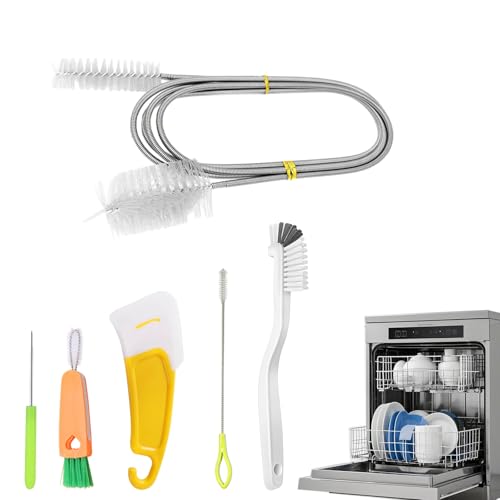
Deep Clean Every Corner Tackle hidden grime with our 6-piece brush kit! Includes a pick, silicone scraper, straw cleaner brush, gap cleaning brush, angle cleaning brush, and flexible tubes brush. Perfect for cleaning inlet/outlet pipes, water jets, and internal crevices. Removes food residue, limescale, and unclogs nozzles effortlessly.

HELPS POWER AWAY SMELLS created by odor causing bacteria, foggy limescale and mineral deposits hiding deep inside the dishwasher’s pump, filter, tub, valve, drain, washer arms and recirculation hoses to help optimize appliance performance.
Checking the Spray Arms
When Checking the Spray Arms of your dishwasher, ensure they are free from any blockages or debris that could impede water flow and affect cleaning performance.
- Rotate the spray arms manually to make sure they move freely without obstruction.
- Look for clogs in the spray arm holes that may affect the water distribution.
Regularly clean the spray arms to maintain optimal performance and cleanliness.
Running a Cleaning Cycle
When running a cleaning cycle on your dishwasher, it’s essential to follow these steps to ensure optimal performance:
- Check the Spray Arms: Make sure the spray arms are free from any blockages or debris that could affect water flow.
- Inspect the Filters: Remove and clean any filters in your dishwasher to prevent clogs and maintain efficiency.
- Use Vinegar: Place a cup of white vinegar in the top rack of the dishwasher and run a hot water cycle to help remove any buildup and odors.
- Consider a Cleaning Solution: You can also use a dishwasher cleaning solution to maintain the cleanliness of the appliance.
Maintenance Tips
Regularly cleaning your dishwasher can help prolong its lifespan and keep it running smoothly. Here are a few maintenance tips to remember:
- Monthly Maintenance: Run an empty dishwasher with a dishwasher cleaner to remove any built-up grime and mineral deposits.
- Wipe Down the Exterior: Clean the exterior of the dishwasher with a damp cloth and mild detergent to keep it looking fresh.
- Inspect Seals and Gaskets: Check the seals and gaskets for any signs of wear or damage to prevent leaks.
| Important Statistics | Data |
|---|---|
| Average dishwasher lifespan | 9-10 years |
| Percentage of households with a dishwasher | 75% |
| Water usage per cycle | 4-6 gallons |
By following these tips and regularly cleaning your dishwasher, you can ensure it continues to run efficiently and effectively.
Testing the Dishwasher
After cleaning the crucial components of your dishwasher, it’s time to put it to the test. Here are simple steps to ensure that your dishwasher is running smoothly:
- Check for Leaks: Run a short cycle and inspect the area around your dishwasher for any signs of leaks.
- Monitoring Water Level: Ensure that the water fills up to the appropriate level, neither too little nor too much.
- Load Configuration: Arrange dishes properly to prevent blockages in the spray arms.
- Cycle Completion: Let the cycle complete fully to confirm that the dishwasher drains properly.
- Cleaning Efficacy: Assess the cleanliness of dishes post-cycle to verify that the dishwasher is unclogged and functioning well.
Remember, regular testing is key to maintaining the efficiency of your dishwasher.
Conclusion
Now that you’ve learned the key steps to unclog your dishwasher and keep it running smoothly, remember to regularly maintain its components, use cleaning solutions, and test its performance. By following these simple tips, you can ensure your dishwasher operates efficiently, with clean dishes every time. Don’t forget to check for leaks, monitor water levels, load dishes correctly, and confirm cycle completion. Regular testing is crucial for optimal dishwasher performance. Happy dishwashing!
Frequently Asked Questions
Why is it important to maintain a dishwasher’s optimal performance?
It is crucial to maintain a dishwasher’s optimal performance to ensure it cleans effectively and efficiently, preserving its lifespan and reducing energy consumption.
What are some key components to check for blockages and debris in a dishwasher?
Regularly inspect the spray arms and filters of your dishwasher for blockages and debris, as these can affect the cleaning performance.
What cleaning solutions are recommended for maintaining a dishwasher?
Using vinegar and specialized dishwasher cleaning solutions during cycles can help remove buildup and odors, keeping your appliance fresh and working well.
What are some maintenance tips for a dishwasher?
Regular maintenance tips include running monthly cleaning cycles, inspecting seals for wear and tear, and wiping down the exterior to keep it in top shape.
How can you test a dishwasher for efficient operation?
Test the dishwasher by checking for leaks, monitoring water levels, arranging dishes properly, ensuring cycle completion, and evaluating cleaning efficacy to confirm efficient operation.
Why is regular testing of a dishwasher essential?
Regular testing of your dishwasher is essential to ensure it operates efficiently, identifies issues early, and maintains optimal cleaning performance.
Hi, I’m Charlie, and I cover all things laundry here at Appliance Mastery.
I’ve spent over eight years working on washing machines, dryers, and dishwashers. I also have a degree in mechanical engineering, which helps me understand how these appliances really work.
I try to make every guide clear and practical. If you’re stuck with a noisy dryer or a leaking washer, I’ll help you figure out what’s wrong and how to fix it.