
Is your LG bottom freezer not cooling like it should? You’re not alone. Many people face this frustrating issue, and it can be a real hassle when your food starts to spoil.
In this article, you’ll find practical tips and solutions to troubleshoot your freezer problem. Whether it’s a simple fix or something that requires a bit more attention, you’ll learn what steps to take to get your appliance back in working order. By the end, you’ll have the knowledge to tackle the issue confidently and keep your food fresh.
Key Takeaways
- Identify Common Causes: Blocked vents and faulty thermostats are leading causes of insufficient cooling in LG bottom freezers. Check for obstructions and ensure the thermostat is set correctly.
- Check the Power Supply: Confirm that the freezer is plugged in and the outlet is functioning. Reset tripped circuit breakers if necessary to restore power.
- Inspect Door Seals: Damaged or dirty door seals can allow cold air to escape. Clean or replace seals to maintain optimal temperature inside the freezer.
- Regularly Clean Condenser Coils: Dust and debris on the condenser coils can hinder cooling. Clean them every six months to ensure efficient cooling performance.
- Replace Damper Control Assembly: A malfunctioning damper can disrupt airflow between the fridge and freezer. Replacing the damper can enhance cooling efficiency.
- Maintain Proper Temperature Settings: Keeping the freezer set between 0°F and 5°F will improve overall performance and prolong the life of the appliance.
Common Causes Of LG Bottom Freezer Not Cooling
Several factors can lead to an LG bottom freezer not cooling effectively. Identifying these common causes can help you troubleshoot the issue.
Blocked Vents
Blocked vents restrict airflow, leading to inconsistent cooling. Inspect the interior for any obstructions, such as food items or ice buildup. Ensure the vents remain clear to allow proper circulation. It’s advisable to check the back of the freezer too, as dust and debris can gather there. To maintain optimal airflow, organize your freezer items to prevent them from blocking vents.
Faulty Thermostat
A faulty thermostat can disrupt temperature regulation. If the thermostat isn’t reading temperatures correctly, the freezer may not operate efficiently. Set the thermostat to a standard temperature, typically around 0°F (-18°C), and observe any changes. If adjustments don’t result in cooling, consider replacing the thermostat. Alternatively, consult the user manual for troubleshooting specific to your model.
By recognizing these common causes, you can take appropriate steps to resolve cooling issues with your LG bottom freezer.
Troubleshooting Steps
Follow these troubleshooting steps to address issues with your LG bottom freezer not cooling effectively.
Recommended Products

Premium Material & Airtight Seal: The MDS64172919 freezer door gasket is crafted from thick, flexible, food‑safe PVC embedded with a continuous magnetic strip. This design creates a powerful airtight seal that locks in cold air, prevents energy waste, and maintains a stable 0℉ freezing temperature, keeping your frozen goods perfectly preserved.

【Premium Materials & Effective Sealing】Crafted with flexible PVC outer layer and embedded magnetic strip, the MDS38201427 freezer door seal for LG refrigerator door gasket is engineered to deliver airtight sealing for LG freezers. MDS38201427 freezer door gasket forms a tight barrier around the door frame, locking cold air inside to maintain consistent internal circulation and maximize energy efficiency—reducing unnecessary power consumption while keeping your fridge running smoothly. Featuring cold resistence, high elasticity and flexibility,MDS38201427 freezer door gasket replacement for LG refrigerator freezer door gasket seal can quickly return to its original state after deformation.

【Upgraded Thickened Freezr Door Seal】ADX73350963 freezr door gasket is made of food-grade thickened silicone, non-toxic, odorless, resistant to high and low temperatures, flexible and tear resistant. ADX73350963 freezr door gasket seal double-layer sealing structure design, combined with the thickened edge and wavy folds, tightly fit the refrigerator door gap, block the leakage of cold air. Reduce cold air loss and reduce energy consumption.
Check Power Supply
Ensure the power supply functions properly. Check if the freezer is plugged in securely and that the outlet receives power. You can test the outlet with another appliance, like a lamp. If there’s no power, inspect the circuit breaker. Reset the breaker if it’s tripped. If the issue persists, consider consulting an electrician.
Inspect Door Seals
Examine the door seals for any damage or dirt. A tight seal is essential for maintaining cool temperatures. Close the door and check if light inside goes out. If it doesn’t, the seal might be faulty. Clean the seals with warm, soapy water to remove debris, and inspect for cracks or tears. If damaged, consider replacing the gaskets to prevent cold air from escaping.
Solutions For LG Bottom Freezer Not Cooling
Address cooling issues effectively with these practical solutions.
Recommended Products
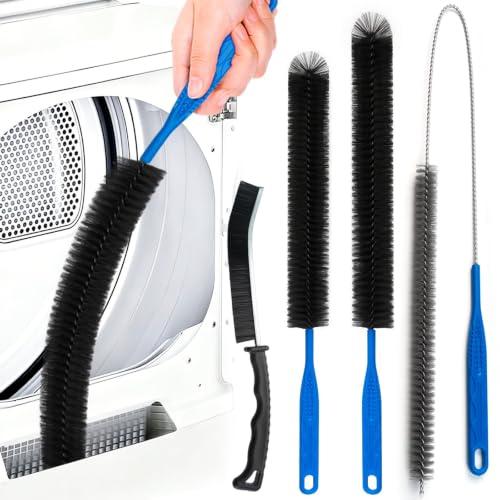
【Multi-Purpose Cleaning Combo, Wide Application】Our Drain Brush combines dryer lint brush, refrigerator coil cleaning brush, heat exchanger brush and lint trap cleaning tool in one set. Ideal for dryer vent, dryer filter, condenser, fridge coil and various household appliances. This all-round appliance cleaning brush meets your daily deep cleaning needs for washer, dryer and refrigerator.
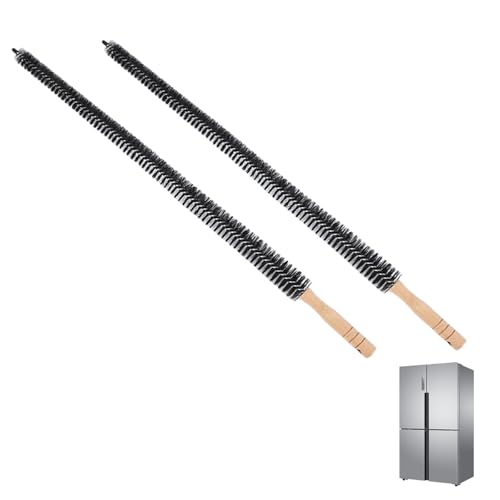
Flexible and Bendable:Fridge coil cleaning brush can bend at any angle for easy cleaning of gaps and corners
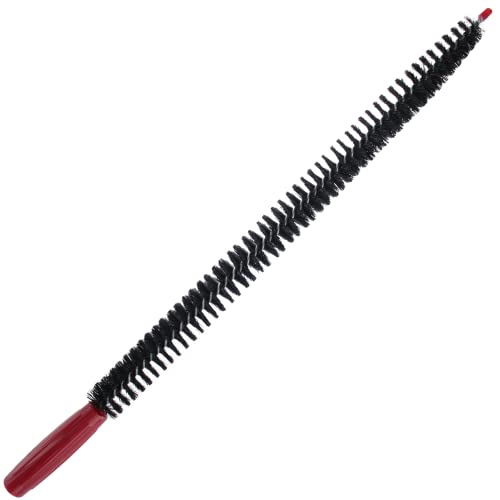
The Vanitek multi-use long flexible dryer lint brush vent cleaner and refrigerator coil cleaning brush features strong bristles for grabbing dust lint & dirt from the highest energy consuming products. The dryer cleaner vent kit will prevent you from fire risks.
Clean Condenser Coils
Cleaning the condenser coils is essential for optimal cooling. Dust and dirt buildup on these coils can restrict heat exchange, leading to inefficient cooling. To clean them:
- Unplug the Freezer: Ensure safety by disconnecting the power.
- Locate the Coils: Typically found at the back or bottom of the freezer.
- Use a Brush or Vacuum: Gently remove dust with a coil cleaning brush or vacuum attachments.
- Wipe with a Damp Cloth: For stubborn grime, use a damp cloth to wipe the coils clean.
Regularly cleaning these coils every 6 months can help maintain proper cooling.
Replace Damper Control Assembly
The damper control assembly regulates airflow between the fridge and freezer compartments. A malfunctioning damper can cause inadequate cooling. To replace it:
- Unplug the Freezer: Ensure the freezer is disconnected from power before you start.
- Remove the Damper Cover: Locate the cover behind the temperature control knob and remove it.
- Disconnect the Old Damper: Unscrew or unclip the damper from its housing.
- Install the New Damper: Position the new damper correctly and secure it in place.
- Reattach the Cover: Replace the damper cover and reconnect the power.
Replacing the damper control assembly can restore proper airflow and cooling efficiency.
Maintenance Tips
Maintaining your LG bottom freezer is essential for ensuring optimal cooling performance. Here are practical steps to help you keep your appliance running efficiently.
Regular Cleaning
Regular cleaning plays a crucial role in maintaining cooling efficiency. Clean the condenser coils at least twice a year. Dust and debris can accumulate, obstructing airflow. To clean, unplug the freezer, locate the coils—typically at the back or beneath—and use a brush or vacuum to remove dirt. Additionally, wipe down the interior surfaces monthly. Food spills or residues can contribute to odors and affect cooling.
Temperature Settings
Correct temperature settings significantly impact your freezer’s performance. Set your freezer’s temperature between 0°F and 5°F. If items freeze too quickly or don’t freeze at all, adjust the thermostat accordingly. Monitor internal temperatures with a thermometer if needed. Remember, keeping the temperature stable prevents strain on the compressor and improves cooling efficiency.
By following these maintenance tips, you can enhance the cooling performance of your LG bottom freezer and ensure your food stays fresh.
Conclusion
Dealing with a bottom freezer that isn’t cooling can be frustrating but you’ve got the tools to tackle the problem. By following the troubleshooting steps and maintenance tips outlined, you can restore your freezer’s efficiency and keep your food fresh.
Regular upkeep is key to preventing issues down the line. Don’t forget to check those vents and clean those coils. With a little attention and care your LG bottom freezer can serve you well for years to come. So roll up your sleeves and get to work—you’ll be glad you did!
Frequently Asked Questions
What should I do if my LG bottom freezer is not cooling properly?
If your LG bottom freezer isn’t cooling, start by checking the power supply to ensure it’s plugged in and the outlet is functioning. Inspect the door seals for damage or dirt, and clean them if necessary. Additionally, check for blocked vents and a dirty condenser coil, as these can hinder airflow and cooling efficiency.
How often should I clean the condenser coils on my freezer?
It’s recommended to clean the condenser coils at least twice a year. Regular cleaning prevents dust and dirt buildup, which can restrict heat exchange and lead to inefficient cooling.
What causes blocked vents in my LG bottom freezer?
Blocked vents can occur due to improper food placement, ice buildup, or debris accumulation. Ensure that the vents are clear and not obstructed by food items to maintain proper airflow and cooling throughout the freezer.
How do I replace the damper control assembly?
To replace the damper control assembly, unplug the freezer and remove any necessary panels to access the assembly. Detach the old damper, connect the new one, and then reassemble the unit. This repair helps improve airflow between the fridge and freezer compartments.
What temperature should I set my freezer for optimal performance?
The ideal temperature setting for your LG bottom freezer is between 0°F and 5°F. Regularly monitor internal temperatures to ensure food stays fresh and to prevent excessive strain on the compressor.

Hey, I’m Jake. I focus on cooling systems at Appliance Mastery, like fridges, freezers, and air conditioners.
I’ve worked in appliance repair for more than ten years and I’m certified through NASTeC. I’ve seen just about every fridge issue you can imagine.
My goal is to help you fix problems without stress. Whether it’s a freezer that won’t cool or an AC that keeps beeping, I’m here to walk you through it.