
Is your Nutrichef wine cooler not cooling when you need it most? You’re not alone. Many wine lovers face this frustrating issue at some point, and it can really put a damper on your collection. Whether you’re hosting a gathering or just trying to enjoy a quiet evening, having warm wine is the last thing you want.
This article will help you troubleshoot the problem and get your cooler back to its optimal performance. You’ll discover common reasons behind the cooling failure and practical steps to fix it. By the end, you’ll be ready to enjoy your favorite bottles at the perfect temperature once again.
Key Takeaways
- Common Cooling Issues: Be aware of signs indicating your Nutrichef wine cooler is not cooling, including inconsistent temperatures, warm interiors, condensation, strange noises, and frequent cycling.
- Troubleshooting Steps: Start with basic checks such as power supply, temperature settings, and door seals to resolve cooling problems effectively.
- Regular Maintenance: Clean the cooler’s interior and condenser coils regularly, and inspect door seals for wear and tear to ensure optimal performance.
- Ideal Location and Setup: Position your wine cooler away from direct sunlight and heat sources, providing adequate ventilation space for effective cooling.
- Know When to Seek Help: If troubleshooting steps fail, reach out to customer support for persistent issues, inaccurate temperature displays, or unusual noises.
Overview of Nutrichef Wine Cooler
Nutrichef wine coolers provide an effective solution for storing wine at optimal temperatures. These coolers balance humidity and temperature, safeguarding your wine’s flavor and aroma. Wine coolers come in various sizes, catering to different needs, such as small personal units or larger models for extensive collections.
Features of Nutrichef Wine Coolers
- Temperature Control: Most models include digital displays with thermostat controls, allowing you to set and monitor the temperature easily.
- Silent Operation: Designed with advanced cooling technology, Nutrichef units operate quietly, avoiding disruptions in your living space.
- UV Protection: Many models include tinted glass doors, blocking harmful ultraviolet rays that can spoil wine.
- Adjustable Shelving: Shelves in Nutrichef wine coolers are often adjustable, maximizing space for bottles of varying sizes.
Common Sizes Available
| Model Type | Capacity (Bottles) | Dimensions (inches) |
|---|---|---|
| Personal Cooler | 6-12 | 10 x 22 x 20 |
| Medium Capacity | 16-32 | 15 x 26 x 32 |
| Large Capacity | 40-50 | 20 x 32 x 52 |
Ideal Considerations for Use
- Location: Choose a location away from direct sunlight and heat sources. A stable environment helps maintain consistent temperatures.
- Electrical Supply: Ensure adequate electrical outlets nearby. Voltage requirements vary by model, so check specifications before purchasing.
- Ventilation Space: Leave adequate space around the unit for ventilation. Some models require several inches of clearance on all sides.
- Regular Cleaning: Keep the interior and exterior clean to prevent odors and build-up. Use a mild soap solution, followed by thorough rinsing.
- Check Seals: Inspect door seals regularly. Worn seals allow warm air to enter, affecting cooling efficiency.
- Monitor Temperature: Regularly check the temperature. Adjust settings promptly if you notice any deviations from the desired range.
By understanding the features, sizes, considerations, and maintenance of Nutrichef wine coolers, you can enhance your wine storage experience while avoiding potential cooling issues.
Common Issues with Wine Coolers
Wine coolers may face several problems, particularly with cooling performance. Understanding the signs and possible causes of these issues helps you troubleshoot effectively.
Recommended Products

Electric machine chills cans in 1 minute and wine bottles in 6 minutes
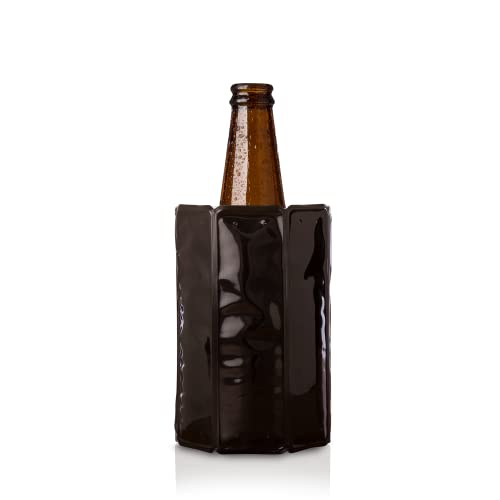
Quick cooling – the Vacu Vin Active Cooler Mini cools drinks to the optimal serving temperature in just a few minutes.

Keeps Wine Chilled up to 6 Hours - This stainless steel wine chiller will keep your favorite bottle at the ideal drinking temperature for longer.
Signs of Cooling Problems
Identifying cooling issues early prevents potential damage. Look for these signs:
- Inconsistent Temperature: Significant fluctuations in temperature indicate a problem.
- Warm Interior: If the interior feels warm to the touch, cooling mechanisms may not function properly.
- Condensation: Excess moisture on the door or inside the cooler suggests the cooling system isn’t maintaining the right climate.
- Strange Noises: Unusual sounds can indicate stress on the compressor or fan.
- Frequent Cycling: If the unit cycles on and off more than usual, there’s likely a malfunction.
Possible Causes of Cooling Failure
Several factors contribute to cooling failures in wine coolers. Consider these possibilities:
- Power Supply Issues: Ensure the cooler is plugged in and the outlet is functional.
- Temperature Settings: Check that the temperature is set correctly for optimal cooling.
- Blocked Vents: Clear any obstructions around air vents to promote proper airflow.
- Dirty Condenser Coils: Dust and debris on coils hinder cooling efficiency. Clean them regularly.
- Faulty Thermostat: A malfunctioning thermostat may misread temperatures, disrupting cooling.
- Compressor Problems: If the compressor isn’t running, it may require repair or replacement.
Taking these steps helps you identify and address common cooling issues with your Nutrichef wine cooler, ensuring optimal wine storage conditions.
Troubleshooting the Nutrichef Wine Cooler
Troubleshooting your Nutrichef wine cooler involves checking common issues that may prevent proper cooling. Follow these steps to ensure your appliance functions effectively.
Checking Power Supply
Checking the power supply is crucial. Confirm the wine cooler is plugged in securely. Inspect the power outlet for functionality by plugging in another device. If you notice any tripped circuit breakers, reset them. If the unit uses a power strip or extension cord, try connecting it directly to the wall socket to eliminate potential issues from those devices.
Assessing Temperature Settings
Assessing the temperature settings helps ensure your wine cooler is set to the correct temperature. Check the temperature control panel for accurate settings. Typically, wine coolers operate best between 45°F and 65°F. If settings fall outside this range, adjust them accordingly, and allow the cooler some time to stabilize. Monitor the temperature after adjusting; sometimes, it might take several hours for the internal temperature to align.
Inspecting Door Seals
Inspecting the door seals is essential for efficient cooling. Examine the rubber seals around the door for damage or dirt buildup. A tight seal prevents cold air from escaping. Clean the seals with mild soap and water to remove dirt and grime. If seals appear cracked or worn, replace them to maintain optimal cooling. Always ensure the door closes securely after checking or accessing your wine.
By following these troubleshooting steps, you can address common issues affecting your Nutrichef wine cooler’s performance and enjoy your wine at the perfect temperature.
When to Contact Customer Support
Contact customer support when troubleshooting fails to resolve your Nutrichef wine cooler’s cooling issues. Here are key signs indicating you should reach out:
- Persistent Warmth: If the interior remains consistently warm despite adjustments, seek assistance.
- Temperature Display Issues: If the temperature display is inaccurate or unresponsive, getting help is essential.
- Unusual Noises: If you hear strange sounds, like loud clunks or persistent humming, it may signal a deeper problem.
- Frequent Power Cycling: If the unit frequently turns off and on, consult support to prevent further damage.
- Visible Damage: If you notice physical damage, such as cracks or leaks, contacting customer support is crucial.
Before reaching out, gather relevant details. Note model numbers, purchase dates, and specific behaviors you observe. This information can expedite the support process.
Recommended Products

* Useful wine accessory to keep wine chilled.

WINE CHILLING RETHOUGHT – Simply lift your glass from VoChill and enjoy. No objects inserted into wine and no metal or plastic taste or smell that compromise the drinking experience. Wine’s perfect partner while relaxing indoors or out, entertaining a guest, preparing dinner, or any time in between. VoChill makes the perfect gift for yourself or any wine lover in your life.

Conclusion
Dealing with a Nutrichef wine cooler that isn’t cooling can be frustrating but you’ve got the tools to tackle it. By following the troubleshooting steps and understanding the common issues, you can often pinpoint the problem and get your cooler back in working order.
Remember to keep an eye on maintenance and ensure your cooler is in the right spot with proper ventilation. If you’ve tried everything and it’s still not working, don’t hesitate to reach out for support. With a little patience and effort, you can enjoy your wine at the perfect temperature once again. Cheers to that!
Frequently Asked Questions
What are common issues with Nutrichef wine coolers?
Common issues include inconsistent temperature, warm interiors, noticeable condensation, strange noises, and frequent cycling. These symptoms often indicate underlying problems that need troubleshooting to ensure optimal performance.
How do I troubleshoot my Nutrichef wine cooler cooling problem?
Start by checking the power supply, temperature settings, and door seals. Make sure the cooler is plugged in, the settings are within 45°F to 65°F, and the seals are clean. Also, inspect vents and condenser coils for blockages or dirt.
When should I contact customer support for my wine cooler?
Contact support if your cooler remains warm despite troubleshooting, the temperature display is inaccurate, you hear unusual noises, or there’s visible damage. Gather details like model number and specific issues to expedite the process.
What ideal conditions should I consider for my Nutrichef wine cooler?
Consider location, electrical supply, and adequate ventilation. Position the cooler away from direct sunlight and heat sources, ensure a stable power supply, and allow for sufficient airflow around the unit to promote efficient cooling.
How can I maintain my Nutrichef wine cooler?
Regular maintenance includes cleaning the interior and exterior, checking door seals for wear, and monitoring the temperature settings. Also, routinely inspect and clean the condenser coils to ensure the unit operates efficiently.

Hey, I’m Jake. I focus on cooling systems at Appliance Mastery, like fridges, freezers, and air conditioners.
I’ve worked in appliance repair for more than ten years and I’m certified through NASTeC. I’ve seen just about every fridge issue you can imagine.
My goal is to help you fix problems without stress. Whether it’s a freezer that won’t cool or an AC that keeps beeping, I’m here to walk you through it.