
Have you ever stepped outside on a chilly day only to find your heat pump’s outdoor unit not running? It’s a frustrating situation that can leave you feeling helpless, especially when you rely on it for warmth. You’re not alone—many homeowners face this issue, and it can stem from various causes.
Key Takeaways
- Power Supply Issues: Ensure the circuit breaker is not tripped and check the outdoor disconnect switch for proper functionality to restore operation.
- Thermostat Verification: Confirm the thermostat is correctly set to ‘heat’ and replace batteries if necessary to maintain communication between units.
- Inspect Capacitors: Look for signs of faulty capacitors, such as bulging or leaking, which can prevent the outdoor unit from starting.
- Regular Maintenance: Conduct biannual inspections and keep the outdoor unit clean to enhance efficiency and prolong lifespan.
- Professional Assistance: Seek expert help if basic troubleshooting fails, especially for recurring electrical issues or unusual noises, to prevent further damage.
- Technician Expectations: Be prepared for a thorough system evaluation, including inspections, electrical testing, and maintenance recommendations during service calls.
Common Reasons Why Outdoor Unit Is Not Running
When your heat pump’s outdoor unit isn’t running, several common issues might be at play. Addressing these issues can restore function and keep your home warm.
Recommended Products

[Year-Round 4-in-1 Comfort] – Garvee’s ultra-compact mini-split blasts out 9,000 BTU of rapid cooling in just 30 seconds and 9,000 BTU of turbo-heating in 60 seconds, perfectly conditioning spaces up to 450 sq ft within a 60–90 °F comfort range. Seamlessly switch between Cooling, Heating, Dry, and Fan-Only modes with 4-way swing for uniform air distribution

Power Supply Issues
Power supply issues often prevent the outdoor unit from operating. Verify that the circuit breaker isn’t tripped. If it is, reset it and check the unit again. Ensure the outdoor disconnect switch is on, as it may have been accidentally turned off. If problems persist, inspect the power cord for damage or loose connections.
Thermostat Malfunctions
Thermostat malfunctions can disrupt communication between your indoor and outdoor units. Check that the thermostat is set to ‘heat’ and that the settings are correct. Consider replacing the batteries in battery-operated models. If the thermostat display is blank, it may need replacement.
Faulty Capacitors
Faulty capacitors can hinder the outdoor unit’s ability to start. Inspect for any signs of bulging or leaking on the capacitor. If you notice these issues, replacing the capacitor may be necessary. Make sure to turn off all power to the unit before attempting this repair. If you’re unsure, contacting a professional is a safe option.
Troubleshooting Steps
When your heat pump outdoor unit isn’t running, follow these troubleshooting steps to identify and resolve the issue.
Recommended Products
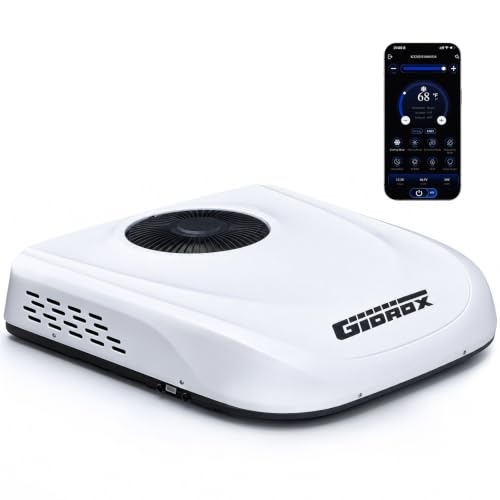
✅ 【16000 BTU Powerful Cooling, 3-Min Fast Cool】 Delivers robust 13,500 BTU cooling capacity with a powerful 330 CFM airflow, designed to effectively cool 35+ ft Large-sized RVs. Cools your space down to a comfortable temperature in just 3 minutes, ensuring rapid relief from the heat the moment you step into your RV.

𝐇𝐢𝐠𝐡-𝐄𝐟𝐟𝐢𝐜𝐢𝐞𝐧𝐜𝐲 𝐒𝐦𝐚𝐫𝐭 𝐃𝐂 𝐈𝐧𝐯𝐞𝐫𝐭𝐞𝐫 𝐏𝐞𝐫𝐟𝐨𝐫𝐦𝐚𝐧𝐜𝐞 – Introducing the new Klimaire R32 system with advanced variable-speed inverter technology, delivering reliable heating and cooling while improving energy efficiency with ratings up to 17 SEER2, 9.5 HSPF2, and 9.5 EER2—helping reduce energy consumption while maintaining consistent comfort.
Check the Power Source
First, confirm the power is reaching the unit. Inspect the outdoor disconnect switch, ensuring it’s in the “on” position. If you still don’t have power, check for blown fuses or tripped circuit breakers. Reset breakers if needed, and replace any blown fuses promptly.
Examine the Thermostat Settings
Next, verify your thermostat settings. Make sure it’s set to “heat” mode, and the desired temperature is higher than the current indoor temperature. If the thermostat is battery-operated, replace the batteries to ensure proper function. If these steps don’t work, consider resetting the thermostat.
Inspect the Circuit Breaker
Additionally, examine the circuit breaker for the heat pump. Locate it in your electrical panel and confirm it’s not tripped. If the breaker trips again after resetting, this may indicate a more serious electrical issue. Seek professional assistance if you find recurring breaker problems.
Following these steps can help you troubleshoot your heat pump’s outdoor unit effectively.
Maintenance Tips for Heat Pumps
Regular maintenance keeps your heat pump running efficiently, even in cold weather. Implementing these tips ensures proper functioning and prolongs the life of your system.
Recommended Products

Lightweight & Portable for Camping: Make your outdoor trips easier with this compact portable water heater. Weighing only 10 lbs with a folding handle, it fits perfectly in your car or RV. Whether you are camping, fishing, or on a family road trip, you can carry it anywhere to enjoy a warm, clean shower after a long day of fun

2-in-1 maintenance tool features a precision fin comb to align coils and a stiff-bristle brush to clean dirt and debris.
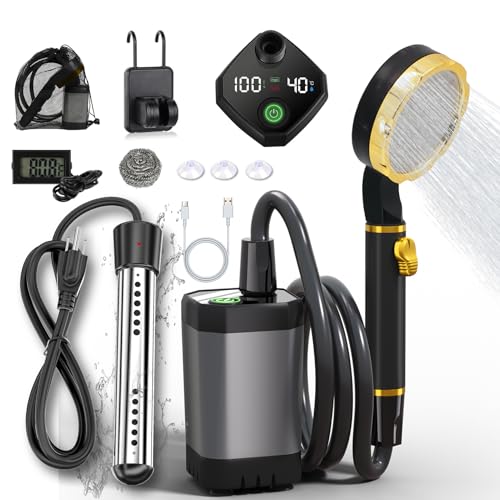
Portable Shower with Long-lasting Battery - After hiking and camping, nothing is more pleasant and comfortable than taking a refreshing shower in the embrace of nature. The outdoor camping shower, equipped with a 6000mAh rechargeable battery, can provide continuous water flow for 120 to 180 minutes after being charged for 3 hours. This camping shower pump can be charged via the USB-C interface using a power bank, laptop or car USB port, making it perfect for outdoor adventure activities.
Regular Inspection
Inspect your heat pump at least twice a year. Look for any visible signs of wear and tear, such as cracks or rust. Check connections for loose wires. Listen for unusual noises during operation, which might indicate problems. If you notice anything concerning, consult a professional for a more thorough assessment.
Cleaning the Outdoor Unit
Keep the outdoor unit clean and free of debris. Remove leaves, dirt, and snow from around the unit. A clear space allows for proper airflow, which is crucial for efficiency. Use a soft brush or cloth to clean the fins gently. If necessary, use a garden hose to wash off buildup, ensuring not to bend the fins. Clean the area around the unit regularly throughout the season.
Professional Help
Sometimes, troubleshooting might not suffice. In these cases, seeking professional help ensures proper diagnosis and resolution of heat pump issues.
When to Call an Expert
Recognize the signs that indicate it’s time for expert assistance. Call a technician if:
- The outdoor unit doesn’t power on after following basic troubleshooting steps.
- You notice strange noises or odors coming from the system.
- The circuit breaker trips repeatedly, suggesting a more serious electrical issue.
- You find visible damage to the outdoor unit or wiring.
- The thermostat shows incorrect readings despite new batteries.
Acting promptly can prevent further damage and costly repairs.
What to Expect from a Technician
Expect a thorough evaluation when a technician arrives. Here’s what typically happens during a service call:
- Inspection of the System: The technician examines the outdoor unit, wiring, and connections for signs of wear or damage.
- Electrical Testing: They perform tests to check voltage supply, circuit integrity, and component functionality.
- Thermostat Review: Expect them to assess the thermostat and its settings to confirm proper operation.
- Maintenance Recommendations: Technicians often suggest maintenance plans to keep your heat pump running smoothly.
Understanding these steps can help you feel informed and prepared for the service visit.
Conclusion
Dealing with an outdoor unit that won’t run can be a hassle but you’re not alone in facing this issue. By following the troubleshooting steps outlined in the article you can often pinpoint the problem and restore heat to your home.
Remember to keep up with regular maintenance to ensure your heat pump runs smoothly and efficiently. If you find yourself stuck or the problem persists don’t hesitate to reach out to a professional. They can provide the expertise needed to get your system back on track. Staying proactive will help keep your home warm and cozy all winter long.
Frequently Asked Questions
Why is my heat pump outdoor unit not running on cold days?
The outdoor unit may not run due to several common reasons such as power supply issues, thermostat malfunctions, or faulty capacitors. It’s essential to check the circuit breaker, ensure the outdoor disconnect switch is on, verify thermostat settings, and inspect the capacitors for any visible damage.
How can I troubleshoot my heat pump if the outdoor unit won’t turn on?
Start by checking the outdoor disconnect switch for power and inspecting for blown fuses or tripped circuit breakers. Verify that the thermostat is correctly set to “heat” mode and replace batteries if it’s battery-operated. If these steps don’t solve the issue, consider contacting a professional.
When should I seek professional help for my heat pump?
Call a technician if your outdoor unit doesn’t power on after basic troubleshooting, if you hear strange noises or smell unusual odors, if the circuit breaker trips repeatedly, or if you notice visible damage to the unit or wiring. Immediate attention can help prevent further issues.
How often should I maintain my heat pump?
It’s recommended to inspect your heat pump at least twice a year. Regular maintenance helps identify signs of wear, loose connections, or unusual noises. Keeping the outdoor unit clean and free of debris is crucial for efficient operation and prolonging the life of the system.
What maintenance tips can help my heat pump run efficiently?
To keep your heat pump running smoothly, regularly clean the outdoor unit by gently brushing the fins and removing any buildup. Also, check for visible signs of wear and ensure proper airflow by keeping the area around the unit clear of debris.

Hi, I’m Charlie, and I cover all things laundry here at Appliance Mastery.
I’ve spent over eight years working on washing machines, dryers, and dishwashers. I also have a degree in mechanical engineering, which helps me understand how these appliances really work.
I try to make every guide clear and practical. If you’re stuck with a noisy dryer or a leaking washer, I’ll help you figure out what’s wrong and how to fix it.