
Have you ever opened your outdoor freezer in winter only to find it’s not working? It’s a frustrating situation that can leave you scratching your head, especially when you rely on it for storage. With freezing temperatures outside, it seems like it should be the perfect time to keep your food frozen, right?
Key Takeaways
- Common Causes of Malfunctions: Outdoor freezers can malfunction in winter due to temperature fluctuations and frost buildup, affecting their ability to maintain a consistent internal temperature.
- Identifying Signs of Trouble: Key indicators that your outdoor freezer may not be working include unusual sounds and inconsistent internal temperatures, which can lead to thawing food and spoilage.
- Troubleshooting Steps: To address issues, check the power supply, inspect the power cord, and examine the door seal for damage or dirt that could lead to temperature control problems.
- Regular Maintenance: Prevent issues by conducting regular cleanings to avoid frost buildup, ensuring the unit is properly placed away from direct sunlight and harsh weather conditions.
- Importance of Door Seals: Maintaining effective door seals is crucial; replace or clean seals as needed to prevent warm air from entering and compromising performance.
Common Causes of Outside Freezer Malfunctions
Understanding why an outside freezer stops working in winter helps you troubleshoot effectively. Several key factors contribute to these malfunctions.
Temperature Fluctuations
Temperature swings can impact your freezer’s performance. Outdoor units may struggle to maintain a consistent internal temperature due to varying external conditions. For instance, during sunny days, the temperature inside the unit might rise above the optimal freezing point. Conversely, freezing temperatures at night can cause excessive cooling, leading to inefficient operation. If your freezer’s thermostat isn’t calibrated correctly, it may not respond properly to these changes.
Frost Buildup
Frost accumulation can severely disrupt your freezer’s functionality. When the outdoor humidity rises, condensation can form inside the unit, freezing and creating a thick layer of frost. This buildup blocks airflow, hindering the cooling process. Regular maintenance can prevent frost problems. Periodically defrosting the freezer can eliminate excessive ice, allowing it to operate efficiently. If frost keeps forming, consider checking door seals for leaks, which could let in warm, moist air.
Signs Your Outside Freezer Is Not Working
Recognizing the signs of a malfunctioning outdoor freezer is crucial during winter months. Here are a few indicators that your unit might be struggling to perform effectively.
Unusual Sounds
Listen for unusual sounds coming from your freezer. If you hear loud or persistent noises, it could signal an issue. Buzzing, clicking, or rattling sounds often indicate that the compressor is working harder than normal or that there’s a mechanical problem. If the sounds seem out of the ordinary, consider checking for internal ice buildup or loose components.
Inconsistent Temperature
Monitor the internal temperature of your freezer. If it fluctuates significantly or refuses to reach the desired temperature, it’s a sign of trouble. Use a thermometer to ensure it stays below 0°F (-18°C). If you notice that the temperature exceeds this threshold, it can lead to thawing foods. Check for temperature variations frequently, especially after sunny days that might warm the interior.
Troubleshooting Steps for Your Freezer
Follow these troubleshooting steps to identify and resolve issues with your outdoor freezer during winter months.
Recommended Products

❄【High Compatibility】-- Faucet covers for winter measures 6.7" W x 8.3" H, Works well with various faucet types, such as garden spigots, hose bibs, water tap, keep faucets protected in freezing weather.

26 Permanent Tungsten Carbide Studs for Max Durability
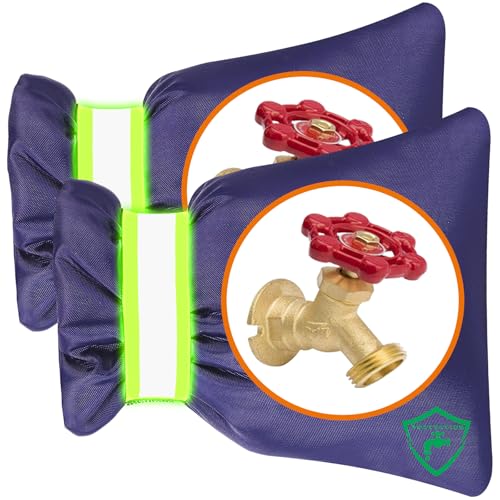
✅「UPGRADE MAX SIZE」 HNYTLCO outdoor faucet covers for winter upgrade measures 8.3" H x 6.7" W. Compared with similar, Our outside faucet cover increases by 2~3inch, versatile fit over any standard outside faucet. (such as exterior faucets, hose bibs, water taps, garden spigots, water pipes)
Checking Power Supply
- Inspect the Outlet: Check if the power outlet works. Plug in a lamp or another device to see if it powers on.
- Examine the Power Cord: Look for signs of damage on the power cord. Cracks or breaks can prevent the freezer from receiving power.
- Check Circuit Breaker: Confirm that the circuit breaker hasn’t tripped. Reset it if necessary.
- Test the GFCI: If your freezer’s outlet is GFCI-protected, press the reset button. This might restore power if it tripped.
- Examine the Seal: Look for cracks or breaks in the door seal. Damaged seals can let warm air in, causing temperature issues.
- Conduct a Paper Test: Close the door on a piece of paper. If you can easily pull it out, the seal may need replacing.
- Clean the Seal: Dirt and debris can block the seal. Clean it with warm, soapy water to ensure a proper fit.
- Monitor Condensation: Keep an eye on any ice or moisture forming around the door. This may indicate seal inefficiency.
By methodically checking the power supply and inspecting the door seal, you can pinpoint issues contributing to your outdoor freezer’s malfunction.
Maintenance Tips to Prevent Issues
Preventing issues with your outdoor freezer involves regular maintenance and proper setup. By following these tips, you can enhance the performance of your freezer even during winter.
Regular Cleaning
Clean your freezer regularly to prevent frost buildup. Start by unplugging the unit. Remove all food items and store them in a cooler. Clean the interior with warm, soapy water. Pay close attention to shelves and corners where moisture can accumulate. Once you’ve finished cleaning, dry all surfaces thoroughly before plugging the unit back in. Set a reminder to clean your outdoor freezer every few months.
Proper Placement
Position your outdoor freezer in a suitable location. Ensure it’s away from direct sunlight. Sun exposure can cause temperature fluctuations that hinder cooling efficiency. Choose a spot that’s sheltered from wind and snow as well. Make sure the surface is level, allowing the freezer to operate correctly. If possible, elevate the unit slightly to prevent moisture accumulation underneath. Check your placement periodically and adjust if necessary to maintain optimal conditions.
Conclusion
Dealing with an outdoor freezer that’s not working in winter can be frustrating but you’re not alone. By keeping an eye on temperature fluctuations and performing regular maintenance you can help ensure your freezer runs smoothly.
Remember to check the power supply and the door seals regularly. Small actions can make a big difference in performance. If you notice any unusual sounds or temperature changes don’t hesitate to troubleshoot.
With a little care and attention your outdoor freezer can keep your food safe and sound even in the coldest months. Stay proactive and enjoy the peace of mind that comes with knowing your food storage is in good shape.
Frequently Asked Questions
Why is my outdoor freezer not working in winter?
Outdoor freezers can malfunction in winter due to temperature fluctuations. Sunny days may raise the internal temperature, while freezing nights can cause excessive cooling. Regular maintenance and checking for issues like frost buildup can help maintain consistent performance.
What are the signs of a malfunctioning outdoor freezer?
Signs include unusual sounds like buzzing or rattling, internal temperature fluctuations above 0°F (-18°C), and condensation around the door. Monitoring these indicators can help identify problems early to prevent food spoilage.
How can I troubleshoot my outdoor freezer?
Start by checking the power supply, including the outlet and power cord. Inspect the door seal for leaks and consider conducting a paper test. Regular checks after sunny days can also ensure it’s functioning properly.
How often should I maintain my outdoor freezer?
Regular maintenance is recommended at least once every few months. This includes defrosting, cleaning, and checking door seals to prevent frost buildup and ensure efficient operation throughout winter.
What proper setup is needed for an outdoor freezer?
Place your outdoor freezer away from direct sunlight and sheltered from wind and snow. Ensure it’s on a level surface for optimal performance. Proper placement can significantly enhance efficiency during varying weather conditions.

Hey, I’m Jake. I focus on cooling systems at Appliance Mastery, like fridges, freezers, and air conditioners.
I’ve worked in appliance repair for more than ten years and I’m certified through NASTeC. I’ve seen just about every fridge issue you can imagine.
My goal is to help you fix problems without stress. Whether it’s a freezer that won’t cool or an AC that keeps beeping, I’m here to walk you through it.