
Have you ever found yourself in the kitchen, ready to whip up a delicious meal, only to discover your oven won’t heat up? It’s frustrating, especially when your stove is working just fine. You might be wondering what’s going on and how to fix it.
Key Takeaways
- Identify Common Causes: Faulty heating elements and malfunctioning thermostats are the primary reasons an oven may not heat, even when the stove functions normally.
- Conduct Visual Inspections: Check for visible damage to the heating element, loose wiring connections, and ensure the oven door seal is intact to prevent heat escape.
- Use an Oven Thermometer: Assess the oven’s temperature accuracy by comparing it with a calibrated thermometer. This helps diagnose thermostat issues.
- Follow Proper Troubleshooting Steps: Safely disconnect power before replacing faulty components like the heating element or thermostat, and follow manufacturer guidelines for installation.
- Know When to Seek Professional Help: If issues persist after DIY repairs or if you notice unusual sounds, electrical problems, or visible sparks, consult a technician for a thorough diagnosis.
- Consider Repair Costs: Evaluate the repair expenses against the age and condition of the oven to determine if a replacement may be a more cost-effective solution.
Common Reasons for Oven Not Heating Up
An oven that won’t heat up can be frustrating, especially when the stove works fine. Several common issues can cause this problem, which can often be identified and resolved with a little troubleshooting.
Recommended Products
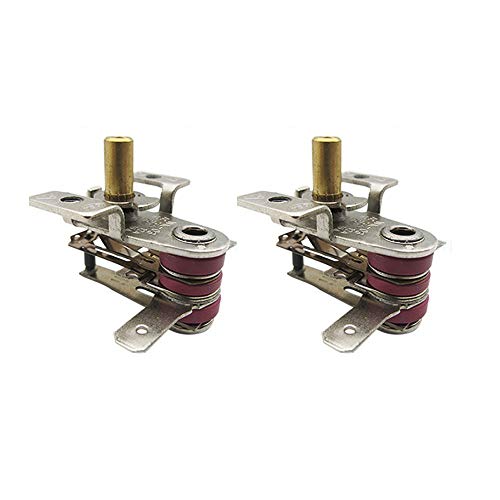
Bimetallic Thermostat KT-231 with setting temperature 70 Celsius, contact load capacity 16A/220 VAC.

【Temperature Range】: control from 50-400℃ (122-752℉) with this high-performance electric oven thermostat, allowing you to achieve the exact heat needed for baking, roasting, or warming applications. The wide temperature spectrum makes this controller suitable for multiple heating appliances in your home or commercial kitchen.

Faulty Heating Element
A faulty heating element often causes the oven not to heat. The heating element is responsible for generating heat in the oven while the stove relies on surface burners. To check if the heating element is the issue, follow these steps:
- Visual Inspection: Look for any signs of damage, such as burn marks or cracks on the heating element.
- Test for Continuity: Disconnect the oven power. Use a multimeter to test the heating element for continuity. If it doesn’t show a reading, it’s likely defective.
- Replace if Necessary: Purchase a new heating element that matches your oven model and follow the manufacturer’s instructions for installation.
Malfunctioning Thermostat
A malfunctioning thermostat can also prevent your oven from heating. The thermostat regulates the oven temperature by controlling the heating element. You’ll notice this issue if your oven is getting too hot or not heating up at all. Here’s how to troubleshoot:
- Check Temperature Settings: Ensure you’ve set the correct temperature and cooking mode.
- Calibrate the Thermostat: You might need to calibrate the thermostat. Use an oven thermometer to compare temperatures. Adjust the thermostat as needed according to the instructions in the user manual.
- Replace the Thermostat: If calibration doesn’t solve the problem, the thermostat may need replacement. Disconnect the oven power, remove the defective thermostat, and install a new one per the product instructions.
By addressing these common issues, you can often restore heating to your oven without major repairs.
Diagnosing the Problem
Diagnosing an oven that isn’t heating while the stove works requires a systematic approach. Start with a few key inspections and tests to identify the problem.
Recommended Products
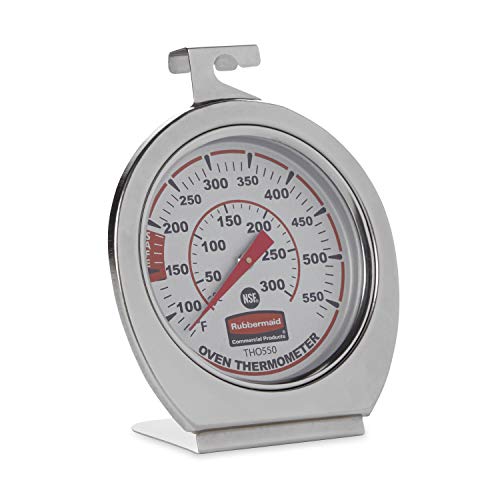
FOOD SAFETY: Thermometer displays true oven temperature instantly to ensure safe food preparation

WIDE TEMPERATURE RANGE: Reads accurately from 100 F to 600 F and 50 C to 300 C, covering every cooking method from slow roasting to high-heat baking; know your oven's true temperature before every meal

Unique feature: rotating clip/Stand adjusts to fit on most oven racks, adjustable for best reading angles.
Visual Inspection
Examine the oven’s heating element. Look for signs of damage, such as burns, breaks, or blisters. If the element appears intact, check the wiring connections for corrosion or looseness. Also, inspect the door seal. A damaged seal can lead to heat escape, causing inadequate heating. Lastly, ensure the oven is properly plugged in and the circuit breaker isn’t tripped.
Testing with an Oven Thermometer
Use an oven thermometer to check the accuracy of your oven’s temperature settings. Preheat the oven to a specific temperature, such as 350°F. After 10 to 15 minutes, compare the thermometer reading to the set temperature. If there’s a significant discrepancy, the thermostat could be faulty. In this case, consider recalibrating or replacing the thermostat for accurate temperature control.
How to Fix the Issue
Fixing an oven that won’t heat while the stove works involves a few straightforward steps. You can assess and address the problem effectively with the right approach.
Recommended Products

【SPECIFICATIONS】: AMI PARTS wb44k10005 range bake element heating WB44K10005 Oven Bake Heating Element(2585 Watts, 240 Volts)Replacement Compatible,17-1/4-Inch L by 15-1/2-Inch W

【MP22YA Electric Stove Burners Compatibility】This S-Union electric stove top burner replacement set fits for most ranges. Reminder: It does not fit for GE and Hotpoint. If you select the wrong burner set, it will not fit your stove. If you are not sure whether the stove coils product is compatible with your stove, please feel free to contact us, we will help you confirm it. Replace part number: 484782, 9761347, 12001231, S46Y15, 5304431014, 484783, SU204, 04000034, 0045546, 0051088, 0054794, 0067069, 0071930, 3374, AP3075808, PS340571, EAP340571.
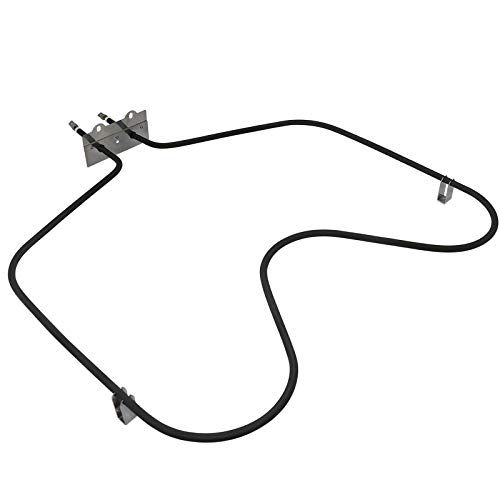
✔✔【𝘽𝘼𝙆𝙀 𝙀𝙇𝙀𝙈𝙀𝙉𝙏 𝙒𝙃𝙄𝙍𝙇𝙋𝙊𝙊𝙇 𝙊𝙑𝙀𝙉】308180 WP308180 oven bake element is at the bottom of the oven and supplies the heat for baking.This bake element wp308180 is for ranges.The rated power is 2600 watts and the rated voltage is 240 volts.►The size is approximately 16-5/8’’wide X 15-3/4"deep.►The mounting bracket is 2" wide from the mounting bracket to the terminal end is 3". Mounting holes measure 1-3/4" apart center to center.►package includes 1 x oven heating element wp308180
Replacing the Heating Element
- Identify the Heating Element: Locate the heating element at the bottom or top of the oven, depending on your model. Inspect it visually for blisters, breaks, or burn marks.
- Disconnect Power: Ensure your oven is unplugged or turn off the circuit breaker to avoid any electrical hazards.
- Remove the Heating Element: Unscrew the heating element from its position. Gently pull it out to expose the wiring.
- Test for Continuity: Use a multimeter to check for continuity. If there’s no continuity, the heating element needs replacement.
- Install the New Heating Element: Position the new heating element, secure it with screws, and reconnect the wiring.
- Restore Power: Plug in the oven or turn the circuit breaker back on. Test the oven for proper heating.
- Locate the Thermostat: Identify the thermostat, usually found at the back or side of the oven.
- Check for Calibration: Use an oven thermometer to measure the actual temperature inside the oven. If there’s a significant difference from the set temperature, it likely needs calibration.
- Adjust the Thermostat: If calibration is required, refer to the manufacturer’s instructions for adjusting the thermostat. Some thermostats allow for manual adjustments via a screw or dial.
- Test the Thermostat: If adjustments don’t work, use a multimeter to check for continuity. A lack of continuity indicates a faulty thermostat that requires replacement.
- Replace the Thermostat if Necessary: Remove the faulty thermostat by unscrewing it and disconnecting the wiring. Install the new thermostat following the manufacturer’s guidelines and reconnect the power.
Taking these steps can help restore your oven’s heating function effectively.
When to Call a Professional
Sometimes troubleshooting won’t resolve the issue with your oven. You may need to call a professional if you notice specific signs indicating a more complex problem.
Signs You Need Expert Help
- Persistent Issues: If your oven remains cold even after replacing parts like the heating element or thermostat, it’s time to consult an expert.
- Unusual Sounds: Hearing grinding, popping, or buzzing noises while the oven runs often points to internal complications requiring professional diagnosis.
- Electrical Problems: If you experience tripped circuit breakers or blown fuses repeatedly, this suggests deeper electrical issues that need expert evaluation.
- Flames or Sparking: Any signs of flames or sparks from the oven indicate serious safety hazards that necessitate immediate professional attention.
- Service Fees: Expect to pay a service fee for a professional technician’s visit, typically ranging from $50 to $150, depending on your area.
- Parts Replacement: If repairs involve replacing major components, such as the control board or igniter, costs can escalate. Budget for $100 to $500 for parts.
- Warranty Coverage: Check if your appliance is still under warranty. Warranty coverage can significantly reduce repair costs, sometimes covering labor and parts.
- Cost-Versus-Repair: Evaluate the age and condition of your oven against the repair costs. If repair expenses exceed 50% of a new unit’s price, consider investing in a replacement.
Conclusion
Dealing with an oven that won’t heat up can be frustrating but you don’t have to let it ruin your cooking plans. By following the troubleshooting steps outlined in this post you can often identify and fix the issue yourself. Whether it’s a faulty heating element or a miscalibrated thermostat there’s a good chance you can get your oven back in working order without calling in a pro.
If the problem persists or seems too complex don’t hesitate to reach out for professional help. Remember to weigh the costs of repairs against the age of your oven. With a little patience and effort you’ll have your oven heating up and ready to bake in no time. Happy cooking!
Frequently Asked Questions
Why isn’t my oven heating up when the stove works fine?
The most common reasons for an oven not heating up while the stove functions well are a faulty heating element and a malfunctioning thermostat. These components are key to oven operation and can fail independently of the stove.
How can I visually inspect the oven’s heating element?
To visually inspect the heating element, look for any signs of damage such as cracks, breaks, or burn marks. Make sure the oven is unplugged, then check the element against a light to see if it glows when turned on, indicating functionality.
What should I do if my thermostat is malfunctioning?
If you suspect a faulty thermostat, use an oven thermometer to check the temperature accuracy. If there’s a significant difference, you may need to recalibrate the thermostat or replace it. Follow the manufacturer’s instructions for adjustments or replacements.
How can I test the heating element for continuity?
To test the heating element for continuity, first, unplug the oven. Using a multimeter set to the ohms setting, connect the probes to each terminal of the heating element. A reading close to zero indicates continuity; if it reads infinity, the element is faulty.
When should I call a professional for oven repair?
Consider calling a professional if you experience persistent heating issues, hear unusual sounds, notice electrical problems, or see visible flames and sparks. These signs may indicate more complex issues that require expert help for safety and effectiveness.

Hey, I’m Jake. I focus on cooling systems at Appliance Mastery, like fridges, freezers, and air conditioners.
I’ve worked in appliance repair for more than ten years and I’m certified through NASTeC. I’ve seen just about every fridge issue you can imagine.
My goal is to help you fix problems without stress. Whether it’s a freezer that won’t cool or an AC that keeps beeping, I’m here to walk you through it.