
Have you ever turned on the tap expecting a warm shower only to be met with icy water? If you own a Rinnai water heater, you might find it struggling during those chilly winter months. It’s a frustrating situation that can leave you shivering and searching for solutions.
In this article, you’ll discover common reasons why your Rinnai water heater might not be performing well in cold weather. You’ll also learn practical tips to troubleshoot the issue and keep your hot water flowing when you need it most. With a little guidance, you can ensure your home stays cozy and comfortable, no matter how low the temperatures drop outside.
Key Takeaways
- Cold Weather Challenges: Rinnai water heaters can struggle with freezing outdoor temperatures, leading to frozen pipes and decreased hot water availability.
- Maintenance is Key: Regular inspections and maintenance, including flushing the tank and checking heating elements, are crucial for optimal performance.
- Insulation Matters: Insulating pipes and surrounding areas can significantly reduce the risk of freezing and improve efficiency during cold months.
- Troubleshooting Steps: Ensure a steady power supply and clear air intake obstructions to help maintain heater functionality in harsh winter conditions.
- Adjust Thermostat Settings: Regularly check and adjust the thermostat to align with hot water needs, ensuring proper heating during extreme cold.
- User Insights: Learning from customer experiences can guide effective strategies to combat common issues experienced with Rinnai water heaters in winter.
Common Issues With Rinnai Water Heaters
Rinnai water heaters face several common issues during cold weather. Understanding these problems can help you address them effectively and maintain a steady supply of hot water.
Recommended Products

One Model, Anywhere: This Rinnai tankless water heater is installable indoors or outdoors thanks to our new Versa Vent and powered by either propane or natural gas thanks to a Smart Sense gas control system; RX-OVC vent cap required for outdoor install

One Model, Anywhere: This Rinnai tankless water heater is installable indoors or outdoors thanks to our new Versa Vent and powered by either propane or natural gas thanks to a Smart Sense gas control system; RX-OVC vent cap required for outdoor install
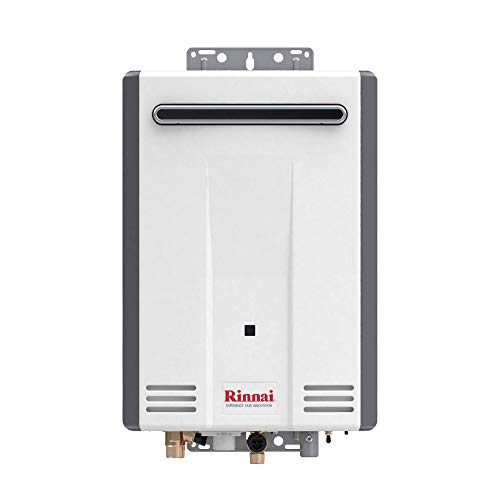
Endless Hot Water For Every Need: Enjoy the convenience of our tankless hot water heater with a 5.3 GPM flow rate, delivering unlimited hot water to multiple appliances for your busy household
Cold Weather Challenges
Cold temperatures significantly impact the performance of Rinnai water heaters. The most common challenge occurs when outdoor temperatures drop below freezing. This can cause the water in the pipes to freeze, obstructing the flow of hot water to your faucets.
Another challenge arises from improper insulation. Inadequate insulation around the unit or the pipes can lead to heat loss, reducing the efficiency of the water heater. Ensure that pipes are insulated, especially those running outside or in unheated areas.
Temperature-Related Problems
Temperature-related problems often stem from incorrect settings or malfunctioning components. An improperly set thermostat can lead to insufficient heating. You should regularly check the temperature setting and adjust it according to your hot water needs.
Another issue involves the heating elements. If they become damaged or worn, they may not heat the water efficiently. Regular maintenance ensures the heating elements work correctly. Schedule an annual inspection to identify and resolve such issues before the cold weather sets in.
Lastly, sediment buildup can hinder performance. Accumulated sediment in the tank reduces the heating efficiency and can create cold spots in the water. Flushing the tank every six months helps prevent this buildup and improves overall efficiency.
Troubleshooting Your Rinnai Water Heater
When your Rinnai water heater fails to perform in cold weather, follow these troubleshooting steps to identify and solve common issues efficiently.
Recommended Products
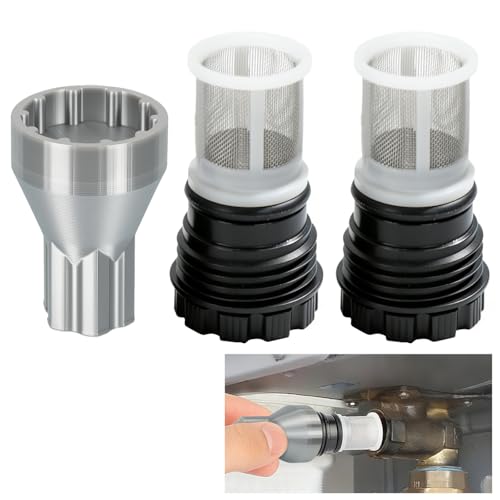
【Complete Maintenance Kit for Rinnai Water Heaters】Designed to work with all Rinnai inlet filter caps, this kit includes a precision removal tool plus 2 replacement inlet filters—everything you need for safe, fast, and hassle-free filter maintenance

Premium: H98-510-S Tankless Water Heater Filter Part for Rinnai Tankless Water Heater Insert Screen Assembly

Multi-Use Removal Tool: Compatible with power screwdrivers, hex wrenches, Allen wrenches, and manual rotation
Check the Power Supply
Ensure your water heater receives power. Inspect circuit breakers and fuses for tripped switches or blown fuses. If the unit is connected to a gas line, verify the gas supply isn’t turned off. Maintaining a steady power supply is essential for proper operation.
Inspect the Air Intake
Examine the air intake vent for blockages. Snow, debris, or ice can obstruct airflow, causing the unit to malfunction. Clear any obstructions to ensure adequate air circulation. Proper airflow allows the heater to function efficiently, especially in cold conditions.
Maintenance Tips for Cold Weather Performance
Cold weather impacts the performance of Rinnai water heaters. Following these maintenance tips helps ensure efficient operation during winter months.
Recommended Products

[Better Insulation for Pipes] 16.5 ft long x 2 inch wide pipe insulation tape, is longer than other exterior pipe insulation tapes, better to wrap the whole pipeline. Also the outdoor pipe insulation tape is easy enough to customize and cut to size with scissors, bend easily and conform to any shape.

【Excellent Thermal Insulation Effect】Our pipe insulation tape roll has the advantages of good waterproof, fireproof, weather resistance and so on. Especially suitable for protecting outdoor pipes from freezing in winter, or damage from high temperature and scorching sun in summer. It can not only keep hot water pipes insulated, prevent heat loss and save energy. It can also effectively prevent cold water pipes from freezing or getting wet.
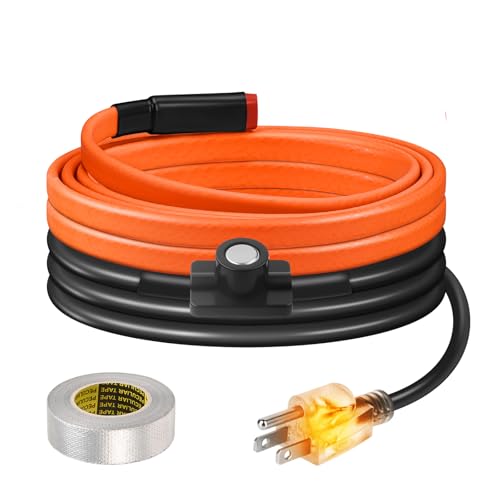
INTRODUCTION: IP65 Waterproof water pipe anti-freezing, snow melting, pipe heating heating tape. With a temperature sensor and a 3-foot power cord and a 3-foot heating cable(8W/FT). Box of the product might have a printing mistake saying that it's power capacity is 5W/FT but it supports upto 8W/FT
Regular Inspections
Regular inspections of your Rinnai water heater prevent issues from becoming severe. Check for leaks, rust, or corrosion around the unit. Inspect the water filter and clean it as needed to maintain proper flow. Perform a visual check of the venting system to ensure there are no blockages. Schedule professional maintenance annually to identify and address potential problems early.
Insulating Pipes
Insulating pipes significantly reduces the risk of freezing. Use foam pipe insulation or heat tape to wrap exposed hot water pipes, especially in unheated areas like basements or attics. This insulation helps maintain higher water temperatures, minimizing heat loss. Ensure both hot and cold water lines are insulated to protect your entire system. Inspect the insulation regularly for wear and replace it as needed to maximize effectiveness.
Customer Experiences and Feedback
User feedback reveals various challenges and solutions regarding Rinnai water heaters in cold weather. You’ll find both common complaints and success stories that highlight real-world experiences.
Common Complaints
Many users report inconsistent hot water availability during extreme cold. Complaints often include:
- Frozen Pipes: Users experience cold showers due to freezing pipes outside. When temperatures drop below 32°F, water can freeze in uninsulated pipes, blocking hot water flow.
- Insufficient Heat: Some find water temperature too low despite the thermostat settings. Incorrect settings or malfunctions in heating elements lead to inadequate heating.
- Energy Efficiency: Users express frustration over high energy bills without sufficient hot water. Poor insulation around the unit can contribute to heat loss, causing increased energy consumption.
Success Stories
Amid challenges, several users share successful strategies for improved performance:
- Proper Insulation: One homeowner insulated their pipes with foam pipe insulation and noticed a significant reduction in cold-related issues. This simple step can prevent freezing.
- Regular Maintenance: A user emphasizes the importance of scheduled system checks. They had a technician clean the water filter and flush the tank, leading to noticeable improvements in efficiency.
- Temperature Adjustments: Adjusting the thermostat improved hot water availability for another user. By setting the temperature higher during cold spells, they avoided mid-shower temperature drops.
Utilizing these insights can enhance your experience with Rinnai water heaters in cold weather.
Conclusion
Dealing with a Rinnai water heater that’s not performing in cold weather can be frustrating but you don’t have to face it alone. By understanding the common issues and taking proactive steps to troubleshoot and maintain your system, you can keep those warm showers flowing even when temperatures drop.
Regular inspections and proper insulation can make a world of difference. Remember to check for blockages and ensure your settings are just right. With a little effort and care, you can ensure your water heater works efficiently all winter long, providing you with the comfort you deserve. Stay warm and enjoy those cozy showers!
Frequently Asked Questions
Why is my Rinnai water heater not providing hot water in cold weather?
Cold weather can cause pipes to freeze, obstructing hot water flow. Additionally, insulation around the unit or pipes may be inadequate, leading to heat loss. Regular maintenance and checking thermostat settings are essential to ensure proper functioning.
How can I prevent my water pipes from freezing?
Insulating your pipes with foam pipe insulation or heat tape can help prevent freezing, especially in unheated areas. Regularly inspecting and replacing insulation will ensure it remains effective during colder months.
What maintenance is needed for a Rinnai water heater?
Regular inspections are crucial. Check for leaks, rust, or corrosion, and clean the water filter. Flushing the tank every six months can also improve efficiency and prevent sediment buildup.
What should I check if my Rinnai water heater isn’t working properly?
Inspect the power supply by checking circuit breakers and fuses. Ensure the gas supply is on, and check the air intake vent for blockages caused by snow, ice, or debris that may obstruct airflow.
How can I improve the efficiency of my Rinnai water heater in winter?
To boost efficiency during winter, ensure proper insulation around pipes, run regular maintenance checks, and adjust thermostat settings. Look for any signs of issues, such as inconsistent hot water availability or unusual energy bills.
What common issues do users face with Rinnai water heaters in cold weather?
Users often report inconsistent hot water, frozen pipes, and insufficient heat despite correct thermostat settings. Problems may also arise from poor insulation, leading to higher energy bills due to inefficiency.
How often should I flush my Rinnai water heater?
Flushing your Rinnai water heater every six months is recommended to remove sediment buildup. This practice helps maintain optimal performance and efficiency, especially in colder conditions.
Can insulation help reduce my energy bills?
Yes, proper insulation around pipes and the water heater can significantly reduce heat loss, leading to lower energy consumption and reduced bills during colder months. Regular checks on insulation effectiveness are advised.

Hey, I’m Jake. I focus on cooling systems at Appliance Mastery, like fridges, freezers, and air conditioners.
I’ve worked in appliance repair for more than ten years and I’m certified through NASTeC. I’ve seen just about every fridge issue you can imagine.
My goal is to help you fix problems without stress. Whether it’s a freezer that won’t cool or an AC that keeps beeping, I’m here to walk you through it.