
Have you ever stepped into your RV shower only to be greeted by lukewarm water? It’s a frustrating experience that can put a damper on your camping trip. You’re not alone—many RV owners face the same issue with their water heaters not delivering the hot water they expect.
Key Takeaways
- Understand Your Water Heater Types: Familiarize yourself with the different types of RV water heaters (electric, gas, and combination systems) to better diagnose issues and choose the right solution.
- Key Components Matter: Know the vital components of your water heater, such as the heating element, propane burner, thermostat, and tank, as failures in these areas can lead to lukewarm water.
- Common Trouble Signals: Recognize common causes of lukewarm water, including thermostat failure, sediment buildup, and insufficient power supply, to aid in troubleshooting.
- Follow Troubleshooting Steps: Implement systematic troubleshooting steps like checking power sources, inspecting thermostat settings, and regularly flushing the tank to ensure optimal heater performance.
- Practice Preventive Maintenance: Conduct regular inspections and maintenance—such as flushing every six months and insulating your water heater—to prevent issues and extend its lifespan.
- Real-World Application: Apply troubleshooting tips specific to your water heater type to quickly resolve issues, ensuring access to hot water during your camping trips.
Understanding RV Water Heaters
RV water heaters use a few key components to heat water efficiently. Understanding how these parts work helps troubleshoot issues like lukewarm water.
Types of RV Water Heaters
- Molded Heater: Typically electric. They heat water quickly but rely on electricity.
- Gas Water Heater: Uses propane. These heaters provide hot water even when electric supply is low.
- Combination Systems: Combine both electric and gas functions. These systems increase flexibility during use.
Key Components
- Heating Element: Electric heaters rely on this. If it fails, the water won’t heat sufficiently.
- Propane Burner: For gas systems, this component ignites propane to heat water. A malfunction can lead to lukewarm water.
- Thermostat: Regulates water temperature. An inaccurate thermostat can cause issues with heating.
- Tank: Stores heated water. Sediment buildup can decrease efficiency.
Common Issues
- Thermostat Failure: If the thermostat isn’t working correctly, water may remain lukewarm.
- Sediment Buildup: Sediment in your tank can insulate water, hindering heat transfer.
- Faulty Heating Element: A broken heating element can prevent hot water from forming.
Troubleshooting Tips
- Check Thermostat Settings: Ensure it’s set to a suitable temperature.
- Inspect Heating Element: Test for continuity issues. Replace if necessary.
- Flush the Tank: Regular maintenance helps remove sediment. Do this every 6 months.
- Examine Propane Supply: Ensure there’s enough propane if using a gas heater.
Real-World Example
If your RV water heater is electric and you notice lukewarm water, check the heating element first. This is often the cause when power is present yet water remains cool. A quick test can confirm its functionality. If you use propane, verify that the burner ignites and operates efficiently.
Understanding these components and processes equips you to tackle common issues, ensuring access to hot water during your camping adventures.
Common Causes of Warm, Not Hot Water
Understanding why your RV’s water heater produces warm, not hot water can help you troubleshoot and resolve the problem quickly. Several common issues often lead to this frustrating situation.
Recommended Products
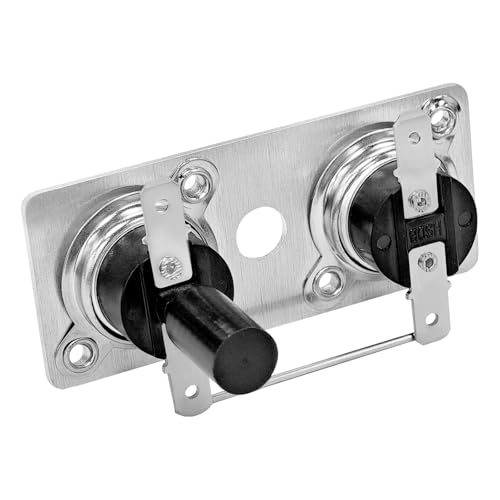
Superior Adaptability: The upgraded 232306 RV Water Heater Thermostat Switch, compatible with Suburban RV water heaters SW series (after serial number 940900091), has been crafted to adapt to 120V voltage and 130 degree Fahrenheit operating conditions. This 232306 thermostat switch is a perfect replacement for temperature limit switches such as 233534, 525002, 525007, 232282 and high limit T-Stat switches

【RV Water Heater Maintenance Kit】: Include 232306 120V Thermostat Switch*1 , 9.25" x 3/4" NPT Magnesium Anode Rod*1 , 520900 Electric Water Heating Element*1 , Dual Hex Wrench*1 and Tape*1 , compatible with Suburban RV water heater parts (D, DE, DEL, DEM models) , can fulfill all your needs for RV Water Heater repair, ensure optimal performance and longevity of your RV water system.

Wide Compatibility: 232282 232306 RV Water Heater Thermostat Limit Switch Kit Compatible with Suburban RV Water Heaters SW Series, replaces 232306 233534, 525002, 525007, 232282 ,the replacement for Suburban SW6D water heater thermostat is compatible with SW6DE, SW6DEL, SW6DEM, SW6PE, SW6PER, SW10DE, SW10DEL, SW10DEM, SW10PE, SW10PER, SW12DE, SW12DEL, SW12DE, SW12DEL, SW12DEM, SW16DE, SW16DEL, SW16DEM, etc
Insufficient Power Supply
Insufficient power supply affects the water heater’s ability to generate hot water. If you’re using an electric heater, check if the circuit breaker has tripped or if the fuse is blown. For gas heaters, ensure the propane tank is full and the regulator is functioning properly. A low power supply can limit the water heater’s efficiency, resulting in lukewarm temperatures.
Thermostat Issues
Thermostat issues directly impact water temperature. A malfunctioning thermostat may not communicate the correct temperature settings, causing the heater to underperform. Check the thermostat settings, ensuring they are appropriately set for hot water. If it appears faulty, replacing it typically resolves the problem.
Sediment Buildup
Sediment buildup inside the water heater tank can significantly reduce heating efficiency. Over time, minerals from hard water collect at the bottom, insulating the water from the heater element. Flushing the tank annually removes this buildup and helps maintain optimal performance. Consider doing this regularly to keep your water heater in top shape.
Troubleshooting Steps
Follow these troubleshooting steps to resolve issues with lukewarm water in your RV.
Checking Power Sources
Ensure all power sources are functioning properly. Identify if your RV water heater uses electricity or propane. For electric heaters, check the circuit breakers. Reset any tripped breakers. For propane heaters, verify that you have enough propane in the tank. Inspect the supply line for any leaks or blockages. If you’re using an inverter, confirm it’s working correctly and supplying power.
Inspecting Thermostat Settings
Examine the thermostat settings on your water heater. Ensure it’s set to the desired temperature, typically around 120°F to 140°F. If the setting is too low, raise it and observe if the water temperature improves. Check for any signs of thermostat malfunction, such as erratic readings or failure to engage the heating element. You may also need to recalibrate the thermostat if it’s not accurately reflecting the actual water temperature.
Flushing the Tank
Flush the tank regularly to prevent sediment buildup, which can obstruct water heating. Begin by turning off the power source and shutting off the water supply to the heater. Open the relief valve to release pressure, then detach the drain plug. Allow the water to flow out, carrying sediment with it. Once the tank is empty, close the drain plug, refill the tank, and restore power. This process typically takes about 30 minutes to an hour. Regular flushing helps maintain heating efficiency and prevents future issues.
Preventive Maintenance Tips
Regular maintenance helps ensure your RV water heater provides hot water consistently. Follow these tips to keep it in optimal condition.
Regular Inspections
Inspect your RV water heater every few months. Check for any signs of wear or damage, particularly around connections, valves, and electrical components. Look for leaks or corrosion on metal parts. Address these concerns promptly to prevent further issues.
Flushing Frequency
Flush the water heater every six months or at the start of each camping season. This process removes sediment buildup that affects heating efficiency. To flush, turn off the power, drain the tank, and run fresh water through it to clear out debris. Refill and restore power afterward to ensure smooth operation.
Insulating the Water Heater
Insulate the water heater to improve efficiency. Use an insulated blanket specifically designed for RV water heaters. This helps maintain water temperature while reducing energy consumption. Check insulation materials regularly for damage or wear, replacing them as needed to keep your heating system working effectively.
Conclusion
Dealing with lukewarm water in your RV can be frustrating but you don’t have to let it ruin your camping experience. By understanding the key components of your water heater and regularly maintaining it, you can ensure a steady supply of hot water when you need it most.
Remember to check the power sources and thermostat settings and don’t overlook the importance of flushing the tank to keep sediment at bay. With a little effort and attention, you’ll be ready to enjoy those hot showers after a long day of adventure. Happy camping!
Frequently Asked Questions
Why is my RV shower water lukewarm?
Lukewarm water in your RV shower usually indicates an issue with the water heater. Common causes include thermostat failure, sediment buildup in the tank, or faulty heating elements. Troubleshooting these components can help restore hot water for your showers.
How do I troubleshoot my RV water heater?
Start by checking the thermostat settings to ensure they’re correctly set. Inspect the heating element for damage, and flush the tank to remove any sediment buildup. Also, check that your propane supply is sufficient and that circuit breakers are functioning correctly.
How often should I flush my RV water heater?
It is recommended to flush your RV water heater every six months or at the beginning of each camping season. Regular flushing helps remove sediment buildup, ensuring efficient heating and maintaining the longevity of your water heater.
What signs indicate my water heater needs maintenance?
Signs that your RV water heater needs maintenance include inconsistent water temperature, strange noises during operation, or leakage around the unit. Periodic inspections for wear, corrosion, or damage can help prevent these issues.
Can I prevent lukewarm water issues in my RV?
Yes, you can prevent lukewarm water issues by conducting regular inspections and maintenance on your water heater. Flushing the tank, checking thermostat settings, and ensuring proper insulation are essential steps for consistent hot water supply.

Hey, I’m Jake. I focus on cooling systems at Appliance Mastery, like fridges, freezers, and air conditioners.
I’ve worked in appliance repair for more than ten years and I’m certified through NASTeC. I’ve seen just about every fridge issue you can imagine.
My goal is to help you fix problems without stress. Whether it’s a freezer that won’t cool or an AC that keeps beeping, I’m here to walk you through it.