
Have you ever turned on your stove only to find it won’t heat up? It’s frustrating when you’re ready to cook a meal and your appliance just won’t cooperate. You’re not alone in this; many people face this issue at some point.
Key Takeaways
- Identify Common Issues: Electric stoves may have faulty burners, defective switches, or tripped circuit breakers, while gas stoves could face clogged burners or faulty igniters.
- Troubleshooting Steps: Always verify the power supply, inspect burners, check igniters, and ensure the gas supply is uninterrupted before proceeding with repairs.
- Solutions for Electric Stoves: Consider replacing damaged heating elements and inspecting thermostats to restore functionality.
- Solutions for Gas Stoves: Ensure the gas supply valve is open, check for clogs in burner ports, and examine the igniter for faults.
- Safety First: Always unplug your electric stove and turn off the gas supply when performing any repairs or troubleshooting steps.
- Professional Help: If issues persist after trying the basic troubleshooting steps, consult a professional for further assistance.
Common Causes of Stove Turns On But Won’t Heat Up
When your stove turns on but won’t heat up, a few common issues could be at play. Identifying these can save you time and frustration.
Electric Stove Issues
- Faulty Burner: A broken burner prevents heat transfer. Check for damaged coils or connectors.
- Defective Switch: A malfunctioning switch might not send power to the burner. Replace the switch to restore function.
- Worn Heating Element: A heating element that no longer works will stop producing heat. Inspect and replace if necessary.
- Tripped Circuit Breaker: Sometimes, the breaker trips, limiting stove power. Reset the breaker and test your stove.
- Control Board Failure: An issue with the control board could disrupt power distribution. If other fixes don’t work, consider board replacement.
- Clogged Burner: Food debris in the burner can block gas flow. Clean the burner ports for smooth operation.
- Faulty Igniter: A malfunctioning igniter won’t allow the gas to ignite. Test and replace the igniter if it’s not functioning.
- Gas Supply Issues: Ensure the gas line is open and supplying gas. Check for leaks and repair any issues you find.
- Thermocouple Issues: A faulty thermocouple can prevent the oven from heating. Clean or replace it to ensure proper gas flow.
- Burner Alignment: Misaligned burners can lead to heating problems. Adjust them to ensure proper ignition and heat distribution.
Troubleshooting Steps
When your stove turns on but won’t heat up, follow these steps to identify and resolve the issue.
Recommended Products

【High Quality & Upgraded Material Stove Burner】 This part for whirlpool electric cooktops MP22YA electric stove burners replacement set are made from high temperature stainless alloys. LXun upgraded replacement for whirlpool stove part for electric stove burner element is durable to use, small temperature coefficient of resistance, low deformation at high temperature and not easy to embrittle. This maytag stove part fits OEM Standards and/or exceed OEM requirements by tested for whirlpool electric ranges and kenmore electric stove burner replacement for kenmore range stove parts

[𝐈𝐃𝐄𝐀𝐋 𝐏𝐀𝐂𝐊𝐀𝐆𝐈𝐍𝐆]:The perfect combination includes: 2 x 5304430150 electric stove drip pans and 2 x 5304430149 stove burner drip pan, 2 x MP21YA electric stove top burner and 2 x MP15YA electric stove burner. It can be used in combination to meet your needs and is an essential accessory for the kitchen. The electric stove drip pans are made from durable chrome plated steel, using eco-friendly plating techniques, which can avoid the problem of deformation or crimping at high temperature and avoid rust. Oven drip pans is easy to install and does not require professional tools. Stove drip pans are easy to clean, can be wiped clean with water or can be cleaned in the dishwasher

[Upgraded Mp21YA Burner Surface Element]: Includes 1pcs MP21YA 8" burner surface elements that mount on the stovetop to provide heat to the cooking area on top of the hob. It is a large 8" burner and has a "Y" style bracket. The specifications are 2100 watts, 240 volts, 5 turns. The number of turns is the number of times the coil is wound once. If the stove burner will not sit flat on the stovetop, make sure the attachment bolts are parallel and pushed down a little. The surface elements of the whirl-pool burner replacement have a nickel-chromium content of up to 85%, providing more even and consistent heat to the cooking zone at the top of the hearth
Checking Power Supply
- Verify Power Source: Ensure your stove is plugged in properly. If it’s an electric stove, check if the outlet functions by using a different appliance.
- Inspect Circuit Breaker: Look for any tripped circuit breakers. A breaker that has flipped can prevent your stove from receiving power.
- Test Electrical Connection: If you have an electric stove, use a multimeter to test voltage at the outlet. It should typically measure around 240 volts for most electric stoves.
- Examine Burners: For electric stoves, remove the burner elements and inspect them for signs of wear or damage. Look for cracks or breaks in the element.
- Check Burner Connections: Ensure the burners connect securely to the stove. Loose connections can prevent proper heating.
- Evaluate Igniters: For gas stoves, examine the igniter. If it does not glow, it might need replacement. A functional igniter glows bright orange when active.
- Assess Gas Supply: Ensure the gas supply valve is open. If you smell gas, turn off the stove immediately and contact a professional.
- Look for Clogs: Inspect the burner ports for clogs. Clean any debris or buildup to ensure gas flows freely.
Solutions for Electric Stoves
If your electric stove turns on but doesn’t heat up, several solutions can help you regain functionality.
Recommended Products

【MP22YA Electric Stove Burners Compatibility】This S-Union electric stove top burner replacement set fits for most ranges. Reminder: It does not fit for GE and Hotpoint. If you select the wrong burner set, it will not fit your stove. If you are not sure whether the stove coils product is compatible with your stove, please feel free to contact us, we will help you confirm it. Replace part number: 484782, 9761347, 12001231, S46Y15, 5304431014, 484783, SU204, 04000034, 0045546, 0051088, 0054794, 0067069, 0071930, 3374, AP3075808, PS340571, EAP340571.

👉 Compatible with Model : Compatible with Whirlpool electric stove. Drip pans fit with burner elements perfectly to save the hassle of choosing the size.

【🔥 High-Quality Replacement Elements & Drip Pans】This set include 2 x 6" WB31M20 ceramic drip bowls, 2 x 8" WB31M19 porcelain drip pans to catch spills for keep cooking safe, 2 x 6" WB30M1 electric stove burners (5-Coil 1350W), 2 x 8" WB30M2 electric range burners (6-Coil 1765-2350W), upgraded nickel-chromium coils (85% Ni-Cr) for even heating & 25% longer durability, max 1292°F resistance. All burner drip pans and electric stove burners rigorously tested to ensure stable & durable performance
Replacing Heating Elements
Replacing faulty heating elements often resolves heating issues. Here’s how to do it:
- Unplug the stove: Ensure safety before beginning any repairs.
- Remove the element: Twist counterclockwise to detach the heating element from the socket.
- Inspect for damage: Look for visible signs of wear, such as cracks or breaks.
- Purchase a replacement: Find a compatible element for your stove model.
- Install the new element: Align it with the socket and twist clockwise until secure.
- Test the stove: Plug it back in and turn on the burner to check if it heats properly.
Examining Thermostats
Thermostats regulate temperature but can malfunction. To check yours:
- Power down the stove: Always start by unplugging it.
- Locate the thermostat: Refer to your user manual for precise location instructions.
- Use a multimeter: Set it to the ohms setting and measure the thermostat’s resistance. A functioning thermostat should show continuity.
- Replace if necessary: If the reading is inconsistent, buy a new thermostat specific to your stove model.
- Install the new thermostat: Follow the wiring instructions carefully to ensure proper connections.
- Test the function: Plug the stove back in and observe if it now heats up when set.
These methods can restore your stove’s heating capability, allowing you to cook your meals.
Solutions for Gas Stoves
When your gas stove turns on but won’t heat, several solutions can help restore functionality. Below are actionable steps to troubleshoot and resolve common issues.
Recommended Products

Genuine OEM GE range spark module for surface burners.
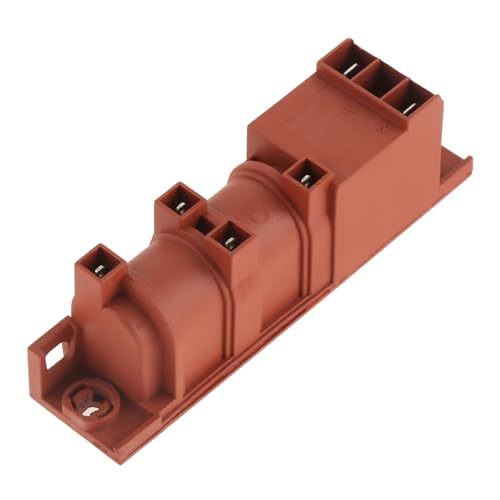
【HIGH QUALITY】: The pulse igniter is made of high quality material, durable and not easy to be damaged, well made, which can make your equipment run well.
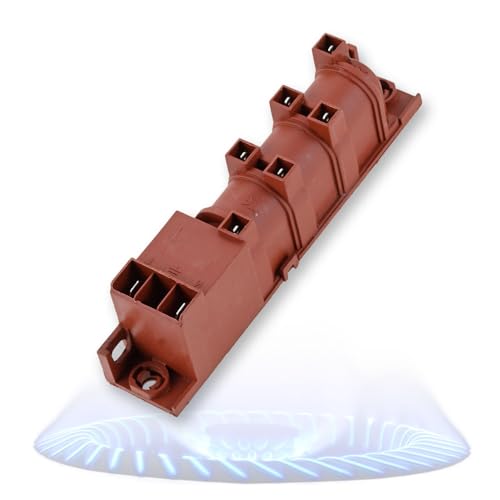
【Quality Craftsmanship】6 Exits Pulse Igniter Kit Made In China 110-240 Volt, Stovetop Surface Burner spark modules controls the spark for lighting the range's surface burners. This is a replacement part not Original which may have small difference than the original but same functions, ensuring optimal performance of your appliance.
Adjusting Gas Supply
- Check the Gas Supply Valve: Start by ensuring the main gas supply valve is open. If it’s shut, gas won’t flow to the burners.
- Inspect Supply Lines: Examine the gas lines for kinks or damage. Any blockage can restrict gas flow.
- Test Burner Ports: Look for clogs in the burner ports. Use a soft brush or a pin to clear any debris that may prevent proper gas flow.
- Recognize Gas Pressure Issues: Gas supply pressure might be low. If you suspect this, consult a professional to test the pressure and adjust it as needed.
- Examine the Igniter: Check if the igniter glows when you turn on the burner. A faulty igniter won’t produce the spark needed to ignite gas.
- Test Connections: Ensure the igniter is securely connected. Loose connections can interrupt the ignition process.
- Investigate for Faults: If the igniter glows without lighting the burner, it may require replacement. Look for cracks in the igniter and replace it if needed.
- Look at the Flame: Once the burner lights, observe the flame. A weak or yellow flame indicates an adjustment may be necessary for the air-to-gas mixture.
By following these practical steps, you can troubleshoot and resolve common issues with gas stoves that turn on but fail to produce heat.
Conclusion
Dealing with a stove that turns on but won’t heat up can be frustrating. You’ve got meals to prepare and plans to stick to. By understanding the common issues and following the troubleshooting steps outlined, you can tackle the problem head-on.
Whether it’s checking the power supply for electric stoves or ensuring the gas supply is open for gas stoves, taking these actions can help you get back to cooking in no time. If you find yourself stuck after trying these solutions don’t hesitate to reach out for professional help. Your kitchen adventures shouldn’t be held back by a stubborn stove!
Frequently Asked Questions
What should I check first if my stove won’t heat up?
If your stove isn’t heating, start by checking the power supply. For electric stoves, inspect the circuit breakers and ensure that your stove is properly plugged in. For gas stoves, verify that the gas supply valve is open and that there are no visible damages to the supply lines.
What are common causes for electric stoves not heating?
Common issues with electric stoves include faulty burners, defective switches, worn heating elements, tripped circuit breakers, or failures in the control board. Inspect these components to identify the cause of heating problems.
How can I troubleshoot a gas stove that won’t heat?
For a gas stove that won’t heat, check if the gas supply valve is open, inspect the igniter for functionality, and ensure burner ports are not clogged. If problems persist, consider checking gas pressure or consulting a professional.
Can I replace a faulty heating element myself?
Yes, you can replace a faulty heating element yourself. First, safely unplug the stove, remove the damaged element, purchase a suitable replacement, and install it according to the manufacturer’s instructions. Always test the stove afterward.
What should I do if my stove’s thermostat is malfunctioning?
To check if your thermostat is faulty, locate it and use a multimeter to measure resistance. If it shows improper resistance values, replacing the thermostat can restore proper function. Ensure correct installation when placing a new one.
How do I know if my electric stove’s burners are faulty?
Inspect the burners for visible damage, such as cracks or burn marks. You can also perform a continuity test using a multimeter to see if the burner is functioning. Replacing faulty burners can resolve heating issues.
When should I call a professional for stove problems?
If you’ve checked the power supply, thermostat, and other components but still face heating issues, or if you suspect gas pressure problems with a gas stove, it’s advisable to call a professional. Safety should be a priority with gas appliances.

Hey, I’m Jake. I focus on cooling systems at Appliance Mastery, like fridges, freezers, and air conditioners.
I’ve worked in appliance repair for more than ten years and I’m certified through NASTeC. I’ve seen just about every fridge issue you can imagine.
My goal is to help you fix problems without stress. Whether it’s a freezer that won’t cool or an AC that keeps beeping, I’m here to walk you through it.