
Have you ever jumped in the shower only to be greeted by a blast of cold water? If you’ve got a tankless electric water heater, this frustrating scenario might feel all too familiar. These systems promise endless hot water, but when they fail, it can leave you feeling stuck and stressed.
Key Takeaways
- Common Issues: Tankless electric water heaters can face problems such as no hot water, insufficient hot water, and fluctuating temperatures, often due to electrical issues or incorrect settings.
- Troubleshooting Steps: Begin troubleshooting by checking the power supply, examining water flow rates, and inspecting heating elements for damage or mineral buildup.
- When to Seek Help: Signs that require professional assistance include persistent cold water, frequent tripped breakers, strange noises, leaks, and persistent error codes.
- Maintenance is Key: Regular descaling and periodic inspections can significantly improve the efficiency and lifespan of your tankless electric water heater.
- Safety Considerations: Handling complex electrical components can be dangerous; prioritize safety by seeking professional help when necessary.
Common Issues With Tankless Electric Water Heaters
Tankless electric water heaters may deliver endless hot water under optimal conditions. However, several common issues can arise, causing frustration and inconvenience.
No Hot Water
You might encounter a complete lack of hot water. This issue often stems from a tripped circuit breaker or a blown fuse. Check your electrical panel and reset the breaker if necessary. If that doesn’t solve the problem, verify that the heater’s power supply is intact. Confirm that the correct settings are in place on the unit, as an incorrectly set digital thermostat can also prevent hot water production.
Insufficient Hot Water
When the heater provides some hot water but not enough, several factors can contribute. One common reason is the simultaneous use of multiple hot water fixtures. For instance, using the shower and dishwasher at the same time might exceed the unit’s capacity. Consider staggering usage for better performance. Another possibility is mineral build-up inside the system, which can hinder heating efficiency. Flushing the heater annually helps maintain optimal performance.
Fluctuating Water Temperature
Fluctuating water temperature can disrupt your shower experience. This situation often arises from improper flow rates. If fixtures demand more water than the heater can supply, temperature fluctuations occur. Adjusting the flow restrictors in your showerheads or faucets may help. Additionally, if the incoming water temperature changes due to seasonal variations, it can affect performance. Insulating your pipes can stabilize incoming water temperature, providing a more consistent hot water supply.
Troubleshooting Steps
When your tankless electric water heater isn’t working, follow these troubleshooting steps to identify and resolve the issue.
Recommended Products

TANKLESS WATER HEATER FLOW SENSOR: Replacement part number: FSA NFSML. Water flow sensor for ecosmart is crucial for ecosmart eco 11 electric tankless water heater as it detects water flow, triggering the unit to activate. When you notice that your water heater is no longer heating up, a new replacement needs to be considered.
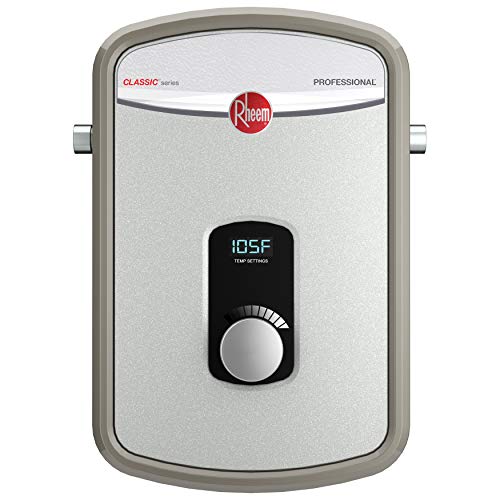
Get the performance you expect. Choose the right size water heater for your home and verify electrical requirements before installation. When properly sized and professionally installed, Rheem Tankless Electric Water Heaters deliver reliable, on-demand hot water while saving valuable space.

* 【Energy Efficient】: With its intelligent design, our Water Flow Sensors Switch operates with minimal power consumption. This not only makes it eco friendly choice but also helps in reducing your energy bills.
Check Power Supply
- Confirm the unit’s power is on. Check the power switch and ensure it’s in the “on” position.
- Inspect the circuit breaker. If it’s tripped, reset it by flipping it to the “off” position and back to “on.”
- Look for loose or damaged wiring. Tighten connections or replace frayed wires whenever necessary.
Examine Water Flow Rate
- Measure the flow rate. Use a flow meter or a bucket to ensure it’s within the manufacturer’s specified range.
- Inspect fixtures. Low-flow fixtures can limit water flow. Consider replacing or removing them if flow is inadequate.
- Identify any blockages. Check for mineral deposits or debris in the inlet screen and clean it as needed.
- Access the heating elements. Remove the cover and visually inspect for visible damage or burn marks.
- Test the heating elements with a multimeter. Ensure they are functioning correctly and replace any faulty components.
- Clean the elements. Descale them periodically to prevent mineral build-up, which can affect efficiency.
Following these steps can help you diagnose and fix issues with your tankless electric water heater.
When to Call a Professional
Identifying when to call a professional for your tankless electric water heater can save you time and further complications. Certain signs indicate the need for expert assistance.
Recommended Products

3/4 inch NPT water connections on bottom of the unit for easy installation
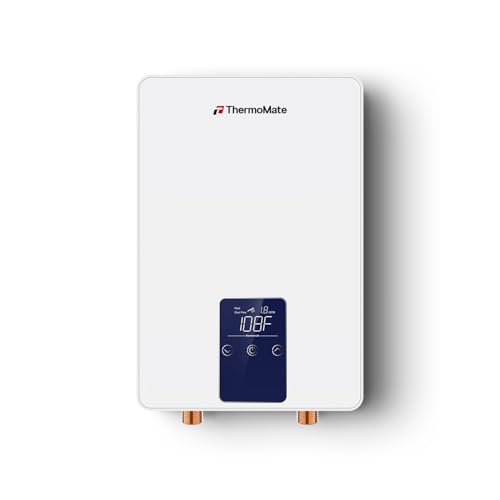
[Instant Sink Hot Water] - 6kw power heating system provides 1.0GPM at 35°F Temp Rise on demand hot water in seconds for point-of-use applications, perfect for under / over sink faucet. Temperature range from 85°F - 131°F. 24 Hours standby. Draw 25Amp @ 240V

【Instant Hot Water】 4.5kW under sink water heater only heats the water when you need it and no waiting to preheat, saving up to 50% in energy consumption. The temperature rise of 1.0 GPM is 50°F. Easy to get hot water in 3 seconds
Signs of Serious Issues
- Persistent Cold Water: If your unit regularly supplies cold water despite troubleshooting efforts, it signals a serious malfunction.
- Frequent Tripped Breakers: If the circuit breaker trips frequently, this could indicate an electrical issue needing immediate attention.
- Strange Noises: Loud banging or popping sounds coming from the heater often suggest internal damage or mineral build-up, both requiring professional evaluation.
- Leaking Water: Any visible leaks around the unit or connecting pipes must be addressed quickly to prevent water damage.
- Unusual Error Codes: If your unit displays error codes, consult the user manual for specifics. Continuous error codes often warrant expert help.
- Expertise: Professionals possess specialized training to diagnose complex issues that may not be obvious.
- Time-Saving: Professionals can quickly identify problems and apply efficient solutions, saving you days of trial and error.
- Safety: Handling electrical components can pose safety risks. Professionals understand safety protocols, reducing the risk of injury or further damage.
- Long-Term Solutions: Professionals provide solutions that not only fix the immediate issue but also prevent future problems.
- Manufacturer Warranty: Certain repairs performed by professionals help maintain your warranty, ensuring your investment stays protected.
Recognizing these signs and benefits helps you determine when to call a professional, ensuring your tankless electric water heater operates efficiently.
Maintenance Tips
Regular maintenance ensures your tankless electric water heater operates efficiently. Follow these tips to extend its life and keep it performing optimally.
Recommended Products

【Tankless Heater Clean Kit】This cleaning kit comes with everything you need to maintain your water heating system. Helps maintain the performance and extend the life of your tankless hot water heater. Easy to follow and quickly connects to your tankless isolation valves using the supplied hoses. All you need to do is mix 1 gallon of vinegar or biodegradable cleaner with 1 gallon of water to flush the tankless water heater. ( The vinegar and biodegradable cleaning agent are not included)

Tankless Electric Water Heater - This electric tankless water heater uses stainless steel and ABS materials, LED display. With 3000W power, the electric water heater tankless can raise the water by 82° F(0.3GPM) -131° F(0.5GPM) in seconds. The instant water heater can set Fahrenheit or Celsius degrees by holding the power button for 6 seconds. This 110 volt electric tankless hot water heater uses advanced technology, no need to preheat, eliminating the long waiting time for hot water!

Regular Descaling
Descaling prevents mineral build-up that clogs pipes and affects performance. Here’s how to descale your unit:
- Gather Materials: Purchase a descaling solution designed for electric water heaters or use a mixture of vinegar and water.
- Turn Off Power: Switch off the power to your heater at the circuit breaker.
- Bypass the System: Use a valve to bypass the water heater so that the descaling solution can circulate without filling your home’s plumbing.
- Circulate the Solution: Pump the descaling solution through the heater for at least 30 minutes to dissolve scaling.
- Flush with Water: After descaling, flush the unit with clean water to remove any remaining solution.
Repeat this process annually to maintain efficiency.
Periodic Inspections
Regular inspections can help detect issues before they escalate. Perform these inspections:
- Check for Leaks: Inspect connections and the heater body for any signs of water leaks.
- Examine Wiring: Look for frayed or loose wires in the electrical connections. Tighten any loose connections.
- Inspect Heating Elements: Regularly check the heating elements for wear. Replace them if they show signs of damage.
- Assess the Filter: Clean or replace any filters per the manufacturer’s recommendations to ensure proper water flow.
Schedule these inspections every six months for proactive maintenance.
Conclusion
Dealing with a tankless electric water heater that’s not working can be frustrating but you’re not alone. By following the troubleshooting steps and maintenance tips outlined in this article you can often pinpoint the issue and restore hot water to your home. Remember to keep an eye on signs that may require professional help to avoid further complications.
Regular maintenance is key to keeping your system running smoothly so don’t forget to schedule those inspections and descaling sessions. With a little attention and care your tankless electric water heater can continue to provide you with the comfort and convenience you expect. Here’s to enjoying endless hot showers again soon!
Frequently Asked Questions
Why am I getting cold water from my tankless electric water heater?
Cold water can occur due to a tripped circuit breaker, incorrect unit settings, or insufficient flow rate. Check your power supply, settings, and ensure you’re using the heater within its flow rate capacity.
What causes insufficient hot water with a tankless heater?
Insufficient hot water typically results from using multiple fixtures simultaneously or mineral build-up in the unit. Staggering usage and regular flushing can help improve the hot water supply.
How can I fix fluctuating water temperatures?
Fluctuating water temperatures may be caused by improper flow rates or seasonal changes. Adjusting flow restrictors and insulating pipes can help stabilize the incoming water temperature for a more consistent experience.
What troubleshooting steps should I take for my tankless heater?
Start by checking the power supply and ensuring the unit is functioning. Inspect the circuit breaker for tripped breakers, look for loose wiring, and check water flow rates. Consider testing and cleaning heating elements for any damage.
When should I call a professional for help?
You should contact a professional if you experience persistent cold water, frequent tripped breakers, unusual noises, leaks, or error codes. Professionals can diagnose complex issues and ensure safety while handling electrical components.
How can I maintain my tankless electric water heater?
Regular maintenance, such as descaling the unit annually and performing biannual inspections, is crucial for optimal performance. Check for leaks, inspect wiring and heating elements, and assess filters to prevent issues and enhance efficiency.

Hey, I’m Jake. I focus on cooling systems at Appliance Mastery, like fridges, freezers, and air conditioners.
I’ve worked in appliance repair for more than ten years and I’m certified through NASTeC. I’ve seen just about every fridge issue you can imagine.
My goal is to help you fix problems without stress. Whether it’s a freezer that won’t cool or an AC that keeps beeping, I’m here to walk you through it.