
Ever jumped in the shower only to be met with a blast of cold water? If your water heater isn’t delivering enough hot water, you’re not alone. This frustrating problem can disrupt your daily routine and leave you feeling less than refreshed.
Key Takeaways
- Identify Common Causes: Understand that sediment buildup, faulty thermostats, and heating element issues are the primary reasons for insufficient hot water.
- Recognize Warning Signs: Be alert for inconsistent water temperatures, decreased water pressure, and unusual noises, as they indicate potential problems with your water heater.
- Perform Regular Maintenance: Regularly flush your water heater tank and inspect the anode rod to extend the lifespan of the unit and ensure efficient operation.
- Troubleshooting Tips: Check and adjust the thermostat settings and inspect heating elements for continuity to troubleshoot hot water issues effectively.
- Know When to Seek Help: If you notice major issues like leaks, discolored water, or persistent problems, it’s advisable to contact a professional for repair and maintenance.
Common Causes Of Insufficient Hot Water
Insufficient hot water can stem from several common issues. Identifying the root cause can streamline your path to a solution.
Recommended Products

LWD UNIVERSAL SCREW-IN WATER HEATER ELEMENT - This screw-in, low watt density-style heating element can be used in most replacement situations of the same wattage and voltage. It reduces lime deposit buildup when used in areas with hard water.
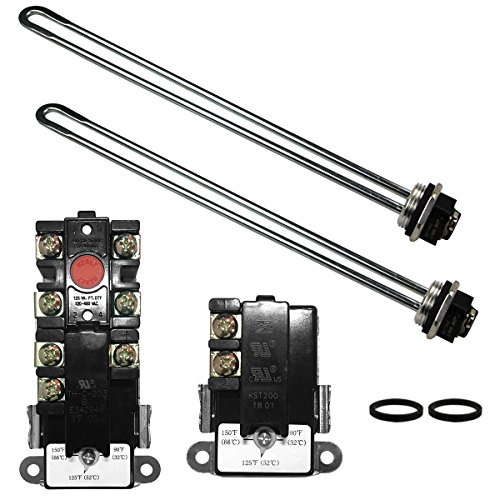
【ONE YEAR WARRANTY】Z Turn-up Kit Includes (2) 4500W 240V COPPER Water Heater Element, Insert Length: 13-9/16". 3500W@208V. Fit Most Brands of Water Heater >= 30 Gallons.

ONE YEAR WARRANTY: Contains 2 × 13-9/16inch Water Heater Element with Gaskets, 3500W@208V
Sediment Buildup
Sediment buildup in the tank often reduces hot water supply. Over time, minerals such as calcium and magnesium accumulate at the bottom, creating a barrier between the water and the heating element. Regular flushing of the tank, ideally once a year, prevents this buildup. If you notice a rumbling noise when the heater operates, it may signal sediment presence.
Faulty Thermostat
A faulty thermostat may lead to inadequate hot water. When the thermostat doesn’t correctly read the temperature, it can prevent the heating element from functioning properly. Check the thermostat settings; they should typically be set between 120°F and 140°F. If resetting the thermostat doesn’t work, consider replacing it.
Heating Element Issues
Heating element issues can result in insufficient hot water. Electric water heaters usually contain two heating elements: one near the bottom and one at the top. If one fails, your hot water supply may dwindle. Testing the heating elements with a multimeter can reveal their operational status. Replace any faulty elements to restore adequate hot water levels.
Signs That Indicate A Problem
Recognizing the signs of a malfunctioning water heater can help you address issues promptly. Keep an eye out for the following indicators.
Inconsistent Water Temperature
You may notice fluctuating water temperatures while showering or using hot water in the kitchen. If water alternates between hot and cold unexpectedly, it points to a potential issue with your water heater thermostat or heating elements. These problems can disrupt your comfort by causing frustration during your daily routines.
To assess this, test your water temperature at different faucet points. If there’s a significant variance, inspect or consult a professional regarding the thermostat or heating elements.
Decreased Water Pressure
You might experience a noticeable drop in water pressure when using hot water. This decrease can signal an obstruction or malfunction in your water heater. Sediment buildup often restricts hot water flow, limiting supply to your faucets.
To gauge the water pressure, check other fixtures in your home. If only the hot water shows diminished pressure, consider flushing your tank to remove sediment. If the issue persists, it’s wise to seek help from a qualified technician.
Troubleshooting Steps
Follow these steps to identify and resolve the issue with your water heater not providing enough hot water.
Checking The Thermostat Settings
Check the thermostat settings first. Ensure the temperature is set between 120°F and 140°F. If the setting is too low, the heater won’t provide sufficient hot water. Adjust the thermostat using the dial or digital interface on the unit. After adjustments, wait a few hours and test the hot water supply again.
Inspecting The Heating Elements
Inspect the heating elements if the thermostat settings are correct. Turn off the power supply to the water heater before you start. Remove the access panel to expose the heating elements. Use a multimeter to test for continuity. If either element shows no continuity, it needs replacement. Reinstall the access panel and turn on the power after making repairs.
Flushing The Water Heater
Flush the water heater regularly to remove sediment buildup. Connect a hose to the drain valve at the bottom of the tank and direct it outside or to a drain. Open the valve and let the water run until it runs clear. This process eliminates debris that may hinder heating performance. Repeat this flushing every six months for optimal performance.
When To Call A Professional
Recognizing when to call a professional ensures your water heater issues are resolved efficiently. Certain signs indicate problems that require expert assistance.
Signs Of Major Issues
Observe the following signs that suggest significant problems with your water heater:
- Inconsistent Water Temperature: If the water fluctuates between hot and cold, this points to potential thermostat or heating element issues.
- Strange Noises: Unusual noises, such as popping or rumbling, may signal sediment buildup or internal damage.
- Leaking Water: Water pooling around the unit can indicate leaks that need immediate attention.
- Discolored Water: If hot water appears rusty or discolored, it might indicate corrosion within the tank.
If you notice any of these issues, it’s best to contact a professional for a thorough inspection.
Routine Maintenance Importance
Routine maintenance keeps your water heater running efficiently and prolongs its lifespan. Follow these practices:
- Annual Inspection: Schedule an annual professional inspection to catch potential problems early.
- Flushing the Tank: Flush the tank every six months to remove sediment buildup, preventing overheating and inefficiency.
- Checking the Anode Rod: Inspect and replace the anode rod every two to three years. This helps prevent tank corrosion.
Investing in regular maintenance can save you from costly repairs and unnecessary replacements down the line.
Conclusion
Dealing with a water heater that’s not providing enough hot water can be a real hassle. By understanding the common causes and signs of trouble you can take proactive steps to keep your system running smoothly. Regular maintenance is key to avoiding unexpected cold showers and ensuring your water heater lasts longer.
If you notice any persistent issues like fluctuating temperatures or strange noises don’t hesitate to reach out to a professional. They can help diagnose the problem and get you back to enjoying consistent hot water. With a little attention and care your water heater can continue to provide comfort for years to come.
Frequently Asked Questions
What causes a lack of hot water in my water heater?
A lack of hot water can be caused by several issues, including sediment buildup, faulty thermostats, and heating element problems. Sediment can obstruct heat transfer, while a malfunctioning thermostat may prevent the water from reaching the right temperature. Regular maintenance can help prevent these issues.
How can I tell if my water heater is malfunctioning?
Signs of a malfunctioning water heater include inconsistent water temperatures, decreased water pressure when using hot water, strange noises, leaks, and discolored water. If you notice any of these symptoms, it’s best to investigate further or consult a professional.
How do I maintain my water heater?
Regular maintenance for your water heater includes flushing the tank every six months to remove sediment, checking the thermostat settings, and inspecting the anode rod every two to three years. These practices help ensure optimal performance and extend the lifespan of your unit.
When should I call a professional for my water heater?
You should call a professional if you experience inconsistent water temperatures, strange noises, leaks, or discolored water. These signs may indicate significant problems that need expert diagnosis and repair. Routine inspections can also help catch issues early.
What temperature should my water heater be set at?
Set your water heater thermostat between 120°F and 140°F. This temperature range is generally safe and helps ensure you have adequate hot water supply without risking scalding. Adjusting the thermostat lower may result in insufficient hot water.

Hey, I’m Jake. I focus on cooling systems at Appliance Mastery, like fridges, freezers, and air conditioners.
I’ve worked in appliance repair for more than ten years and I’m certified through NASTeC. I’ve seen just about every fridge issue you can imagine.
My goal is to help you fix problems without stress. Whether it’s a freezer that won’t cool or an AC that keeps beeping, I’m here to walk you through it.