
Is your electric water heater leaving you in the cold? You’re not alone. Many people face this frustrating issue, especially when they need hot water the most. Imagine stepping into a shower only to be greeted by icy water—it’s enough to ruin anyone’s day.
Key Takeaways
- Common Causes: Electric water heaters may fail to heat due to faulty thermostats, malfunctioning heating elements, or electrical connection problems.
- Troubleshooting Steps: Start by checking the power supply, testing the thermostat for continuity, and inspecting heating elements to identify the issue effectively.
- Regular Maintenance: Annual maintenance, such as flushing the tank and inspecting the anode rod, can prevent sediment buildup and prolong the life of the heater.
- Professional Help: Contact a professional for persistent heating issues, faulty components, or significant electrical problems to ensure safety and proper repairs.
- Signs to Watch For: Be vigilant for leaks, corrosion, or electrical connection issues, which may indicate the need for immediate professional intervention.
- Age Consideration: If your electric water heater is over ten years old and experiencing ongoing problems, consider getting a professional evaluation for potential upgrades or replacements.
Common Causes of Water Heater Not Heating Electric
When an electric water heater fails to heat, specific issues often lurk behind the problem. Understanding these common causes can help you diagnose and resolve the problem efficiently.
Recommended Products
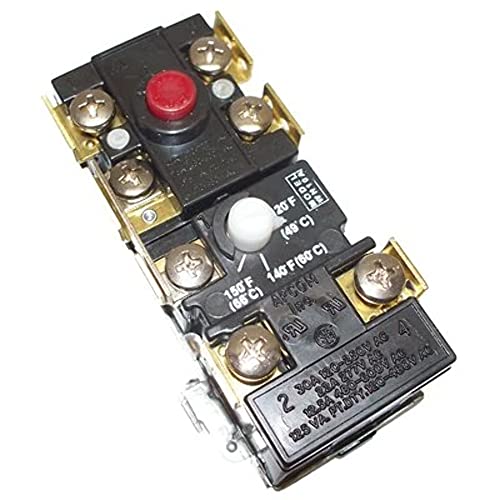
100108684 240V DP up thermostat

ONE YEAR WARRANTY: Contains 2 × 13-9/16inch Water Heater Element with Gaskets, 3500W@208V
Faulty Thermostat
A faulty thermostat can disrupt the heating cycle. The thermostat controls when the heating element activates. If it malfunctions, it may not signal the heater to warm the water. Check the temperature settings first. If the settings are correct yet the heater still doesn’t operate, consider replacing the thermostat. A multimeter can test the thermostat’s functionality.
Heating Element Issues
Heating elements are crucial for generating hot water. If one or both elements burn out, you won’t receive hot water. Signs of malfunction include discolored elements or visible damage. To troubleshoot, turn off the power and inspect the elements. Use a continuity tester to determine if they still work. If they show no continuity, replace the faulty element promptly.
Electrical Connection Problems
Electrical connection issues can interrupt power to your water heater. Loose, damaged, or corroded connections prevent the heater from functioning. Inspect wiring for signs of wear and check the circuit breaker. Ensure the breaker isn’t tripped or malfunctioning. Tighten any loose connections, and if you detect any damage, consult a professional electrician for repairs.
Troubleshooting Steps
Follow these steps to identify and resolve the issue with your electric water heater not heating.
Checking Power Supply
Check the circuit breaker first. Locate your electrical panel and examine if the breaker for the water heater is tripped. If it’s off, flip it back on. If it trips again, there’s likely an underlying issue. Inspect the power cord and plug. Look for signs of damage or wear. If any components appear frayed, consider replacing them.
Testing the Thermostat
Test your thermostat for accurate readings. Find the thermostat cover and remove it to access the components. Use a multimeter to check the thermostat’s continuity. If the multimeter does not show continuity, replace the thermostat. Set the temperature setting correctly; a setting below 120°F may lead to inadequate heating.
Inspecting Heating Elements
Inspect the heating elements next. Turn off power to the heater at the circuit breaker. Access the elements by removing the heating element access panels. Use a multimeter to test for continuity. If you find no continuity, it’s time to replace the faulty heating element. While inspecting, check for signs of corrosion or build-up around the elements, which can hinder performance.
Following these steps should help you determine the cause of your water heater’s heating issue and guide you toward a solution.
Prevention Tips for Electric Water Heaters
Taking care of your electric water heater helps prevent heating issues. Implement these practical tips to ensure reliable hot water when you need it.
Regular Maintenance
Maintain your electric water heater through routine checks. Flush the tank annually to remove sediment buildup, which can obstruct heating elements. Inspect the anode rod every two years; replace it if it’s corroded, as this helps prevent tank rust. Check for any leaks or signs of wear around connections and fittings. Cleaning the area around the heater also promotes proper airflow and efficiency.
Importance of Professional Inspection
Schedule a professional inspection every few years. Technicians can identify potential issues that may not be obvious during your checks. They’ll inspect electrical components, confirm safe operation, and ensure everything is functioning optimally. Regular professional assessments extend the lifespan of your water heater and maintain efficiency, ultimately saving you money on energy bills.
When to Call a Professional
Recognizing when to seek help from a professional can save you time and prevent costly mistakes. Here are the key situations that warrant a call to an expert.
Recommended Products
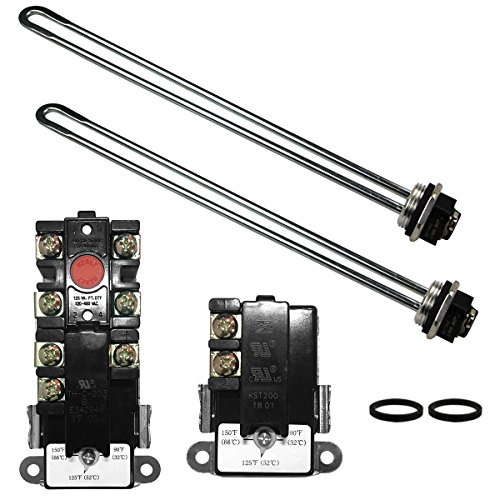
【ONE YEAR WARRANTY】Z Turn-up Kit Includes (2) 4500W 240V COPPER Water Heater Element, Insert Length: 13-9/16". 3500W@208V. Fit Most Brands of Water Heater >= 30 Gallons.
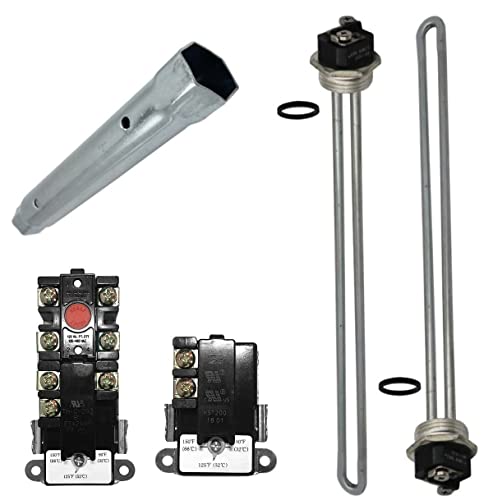
【Contents】(2) Water Heater thermostats: one is upper and another is lower thermostat. 120V ~ 480V, Temperature Adjustment Range: 90F ~ 150F. Thermo-O-Disc(TOD) Style, can exchangeable with Apcom Style.
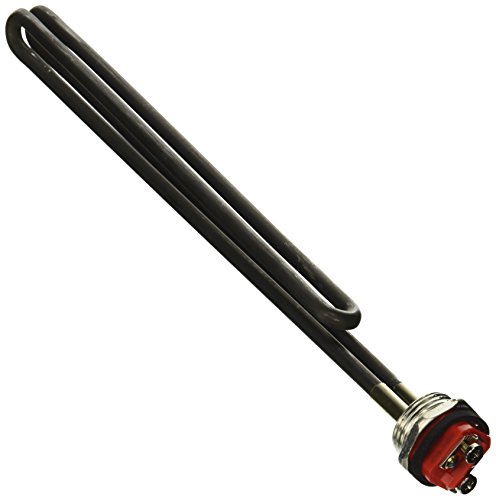
Element - 240V/4500W stainless steel resistored lwd - 1 in screw-in
Persistent Heating Issues
If your electric water heater continues to fail despite basic troubleshooting steps, it’s time to contact a professional. Problems such as repeated power failures or inconsistent heating often indicate deeper issues that require expert analysis.
Faulty Thermostat
If testing the thermostat shows that it’s not functioning correctly, bring in a technician. A malfunctioning thermostat can lead to unsafe temperatures and additional damage to your unit if not addressed properly.
Damaged Heating Elements
If you suspect burned-out heating elements but can’t find or fix them, seek professional assistance. Experts can replace these elements safely and ensure your water heater operates efficiently.
Electrical Problems
If you experience issues with the electrical connections, like frequent breaker trips or visible signs of damage, call a professional. Electrical work can pose significant safety hazards. Qualified electricians handle repairs safely and comply with local codes.
Leaks or Corrosion
If you notice leaks around your water heater or see signs of corrosion, it’s crucial to consult an expert. Leaks can indicate serious problems with the tank or fittings. Professionals can assess the damage and determine whether repairs or replacements are necessary.
Age of the Heater
If your electric water heater is over ten years old and you face ongoing issues, consider contacting a professional for an evaluation. Aging units often require major repairs or replacements, and an expert can provide recommendations based on the heater’s condition.
Routine Maintenance
If you’re unsure about how to maintain your water heater, schedule a professional inspection. Regular check-ups help prevent issues and ensure optimal performance, extending the lifespan of your unit.
Being proactive in these situations can prevent further damage and ensure you enjoy hot water when you need it.
Conclusion
Facing a cold shower can be a real hassle but understanding the common issues with electric water heaters can help you tackle the problem effectively. By following the troubleshooting steps outlined, you can often identify the root cause of your heater’s failure to provide hot water.
Regular maintenance is key to preventing future issues and ensuring your water heater runs smoothly. Don’t hesitate to reach out for professional help when needed to keep your system in top shape. With a little attention and care, you’ll enjoy reliable hot water whenever you need it.
Frequently Asked Questions
What causes electric water heaters to stop providing hot water?
Electric water heaters may fail to provide hot water due to several common issues, including a faulty thermostat, burned-out heating elements, or electrical connection problems. A malfunctioning thermostat can disrupt the heating cycle, while damaged elements prevent water from heating. Inspecting these components is key to identifying the problem.
How can I troubleshoot my electric water heater?
To troubleshoot your electric water heater, start by checking the power supply, like the circuit breaker and power cord. Next, test the thermostat with a multimeter for accurate readings. Finally, inspect the heating elements for continuity and corrosion, as these steps can help pinpoint the issue.
When should I consider calling a professional for my water heater?
You should call a professional if you experience persistent heating issues, faulty thermostats, burned-out heating elements, electrical problems, or noticeable leaks or corrosion. Professional inspections are also recommended to prevent damage and maintain efficiency, especially for older units.
How can I maintain my electric water heater?
Regular maintenance for your electric water heater includes flushing the tank annually to remove sediment buildup, inspecting the anode rod every two years, and checking for leaks or wear around connections. Scheduling professional inspections every few years can also help ensure safe and efficient operation.
What are the signs that my water heater needs repair?
Signs that your water heater needs repair include a lack of hot water, strange noises, leaks, rust-colored water, or fluctuating water temperatures. If you notice these issues, it’s crucial to address them quickly to avoid further damage or inconvenience.
Hey, I’m Jake. I focus on cooling systems at Appliance Mastery, like fridges, freezers, and air conditioners.
I’ve worked in appliance repair for more than ten years and I’m certified through NASTeC. I’ve seen just about every fridge issue you can imagine.
My goal is to help you fix problems without stress. Whether it’s a freezer that won’t cool or an AC that keeps beeping, I’m here to walk you through it.