
Ever jumped in the shower only to be greeted by a blast of cold water? If your water heater isn’t making enough hot water, you’re not alone. Many people face this frustrating issue, especially during those chilly mornings when a warm shower feels like a luxury.
Key Takeaways
- Identify Common Issues: Insufficient hot water can be caused by sediment buildup, electrical component failures, or improper settings. Regular checks and maintenance can prevent these problems.
- Sediment Buildup: Regularly flushing the tank every six months helps remove sediment accumulation, which impedes water heating efficiency.
- Check Thermostat Settings: Ensure your thermostat is set between 120°F and 140°F for optimal performance; incorrect settings can lead to inadequate hot water.
- Inspect Heating Elements: Faulty or damaged heating elements can significantly reduce hot water supply; routine inspections can help identify these issues early.
- Regular Maintenance: Schedule annual professional inspections and perform basic maintenance tasks, like checking the anode rod and water pressure, to extend the life of your water heater.
- Understand Water Heater Types: Recognize that different water heater types (tank vs. tankless) have unique maintenance needs and flow rate limitations that affect hot water availability.
Common Causes of Insufficient Hot Water
Insufficient hot water can stem from various issues. Understanding these common causes can help you troubleshoot the problem effectively.
Recommended Products
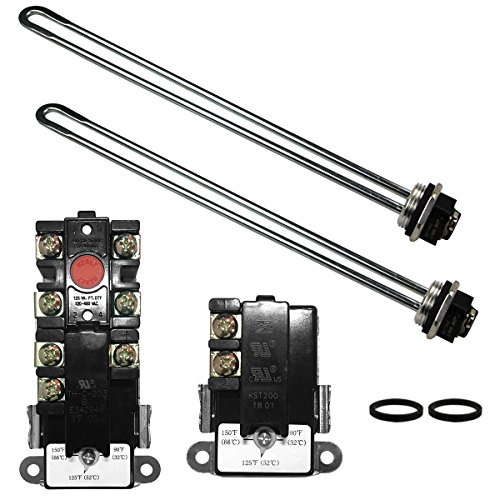
【ONE YEAR WARRANTY】Z Turn-up Kit Includes (2) 4500W 240V COPPER Water Heater Element, Insert Length: 13-9/16". 3500W@208V. Fit Most Brands of Water Heater >= 30 Gallons.

【ONE YEAR WARRANTY】: The Tune-up kit in plumber's pack with protective Cover, Designed to Be a Repair Kit for Most Common Electric Water Heaters ≥ 30 gallon, Provides a quick tune-up to prlong the water heater's life.

𝐑𝐢𝐬𝐤-𝐅𝐫𝐞𝐞 𝐆𝐮𝐚𝐫𝐚𝐧𝐭𝐞𝐞--𝐁𝐚𝐜𝐤𝐞𝐝 𝐛𝐲 𝟐-𝐲𝐞𝐚𝐫𝐬 𝐰𝐚𝐫𝐫𝐚𝐧𝐭𝐲 𝐟𝐨𝐫 𝐚𝐝𝐝𝐞𝐝 𝐩𝐞𝐚𝐜𝐞 𝐨𝐟 𝐦𝐢𝐧𝐝(𝐬𝐮𝐩𝐩𝐨𝐫𝐭 𝐫𝐞𝐭𝐮𝐫𝐧/𝐞𝐱𝐜𝐡𝐚𝐧𝐠𝐞)If you have any problems during guarantee period, please feel free to contact us via YOUR ORDER/ EMAIL / QA, We will reply to you within 24 hours. For whatever reason you are not satisfied, you can request 𝗮 𝗿𝗲𝗽𝗹𝗮𝗰𝗲𝗺𝗲𝗻𝘁 𝗼𝗿 𝗮 𝗿𝗲𝗳𝘂𝗻𝗱
Sediment Buildup
Sediment buildup occurs when minerals settle at the bottom of your water heater. This accumulation impedes the heating element’s ability to heat water properly. To check for sediment buildup:
- Turn Off Power: For electric water heaters, switch off the power at the breaker. For gas heaters, turn off the gas valve.
- Drain the Heater: Attach a hose to the drain valve and let the water flow out until it runs clear.
- Flush: Rinse the tank with fresh water to remove remaining sediment.
Regular flushing every six months can prevent this issue.
Electrical Issues
Electrical components in your water heater can malfunction, leading to inadequate heating. Common problems include:
- Tripped Breaker: Check your circuit breaker to see if it has tripped. If so, reset it and monitor for further issues.
- Faulty Heating Elements: Inspect heating elements for signs of damage. Measure resistance using a multimeter; if it’s outside the normal range, replacement may be necessary.
- Thermostat Problems: A malfunctioning thermostat might not signal the heating element correctly. Test the thermostat settings and replace it if faulty.
Addressing these electrical issues promptly can restore your hot water supply.
Types of Water Heaters Affected
Different types of water heaters can experience issues with inadequate hot water supply. Understanding the unique characteristics of each type helps identify potential problems.
Recommended Products

Superior Pump 91660 Descaler Pump Kit is designed to clean and descale most Tankless Water Heaters

Powerful Performance: The submersible pump boasts a high power of 1/3 HP, with a pump speed of 1980 GPH and a sufficient 16-foot head pressure, making descaling simple and serving as the ideal tool for maintaining and flushing water heaters.

Powerful Performance: The submersible pump boasts a high power of 1/3 HP, with a pump speed of 1980 GPH and a sufficient 16-foot head pressure, making descaling simple and serving as the ideal tool for maintaining and flushing water heaters.
Tank Water Heaters
Tank water heaters store a specific amount of hot water for immediate use. They’re common in many households. If your tank water heater isn’t producing enough hot water, check the following:
- Sediment Buildup: Sediments can accumulate in the tank, decreasing efficiency. Regular flushing prevents this issue. Flushing once a year is recommended.
- Heating Element Failure: Some models have two elements. If one fails, hot water supply drops. Inspect and replace faulty elements when necessary.
- Thermostat Settings: Set thermostats between 120°F and 140°F. If set too low, water won’t reach desired temperatures. Adjust them if needed.
- Flow Rate Limits: Tankless units have a specific flow rate. If multiple outlets run simultaneously, hot water may feel insufficient. Check your unit’s specifications and consider staggering usage.
- Temperature Settings: Ensure that temperature settings align with your needs. Adjust upwards for higher output, but don’t exceed manufacturer recommendations.
- Maintenance Needs: These units need descaling every six months to a year. Regular maintenance ensures optimal operation. Schedule it if you notice a drop in performance.
Signs Your Water Heater Needs Attention
Noticing issues with your water heater can save you from further inconvenience. Here are key indicators that your unit requires immediate attention.
Insufficient Hot Water Supply
You may experience insufficient hot water if your water heater can’t meet demand. For instance, if you run out of hot water during a shower or struggle to get hot water for your dishwashing, it’s a sign something’s wrong. Check the thermostat setting; it should range from 120°F to 140°F. If this setting is correct but the problem persists, sediment buildup might be the culprit, blocking heat transfer. Regular maintenance, like flushing the tank, prevents these issues.
Fluctuating Water Temperatures
You might also notice fluctuating water temperatures. If your hot water suddenly turns cold or alternates between hot and lukewarm, it can indicate a failing heating element or thermostat malfunction. For tank water heaters, inspect for corrosion on heating elements, and for tankless systems, ensure they’re not being over-tasked. Keeping the temperature set correctly and scheduling annual inspections can help maintain stable temperatures.
Maintenance Tips for Optimal Performance
Maintain your water heater to ensure it provides enough hot water. Regular upkeep prevents issues and extends the unit’s lifespan. Follow these maintenance tips:
Recommended Products

WATER HEATER SEDIMENT REMOVAL TOOL – The Sediment Gone hot water heater flush kit is designed to stir, loosen, and flush out stubborn sediment buildup from the bottom of your water heater tank by actively breaking up compacted sediment while draining.

UL Verified V699054 for heat & pressure: Verified for safety and reliability under high temperature and pressure conditions

MULTIPLE BENEFITS – Extend the lifetime of your water heater, improve its efficiency, reduce your energy bill, and increase your hot water supply. This tool pays for itself in one use!
Flush the Tank Regularly
- Frequency: Flush your tank at least once a year to remove sediment buildup.
- Steps:
- Turn off power to the heater.
- Connect a garden hose to the drain valve.
- Open the valve and let water flow out until it runs clear.
- Close the valve, remove the hose, and restore power.
Check the Anode Rod
- Purpose: The anode rod prevents corrosion inside the tank.
- Frequency: Inspect the rod every 3 to 5 years.
- Steps:
- Turn off power and water supply.
- Remove the rod from the top of the tank.
- If it’s corroded more than 6 inches, replace it with a new one.
Adjust the Thermostat
- Recommended Setting: Set your thermostat between 120°F and 140°F.
- Benefits: This range provides adequate hot water while saving energy.
- Steps:
- Locate the thermostat on your heater.
- Adjust the setting using a screwdriver as needed.
Inspect Heating Elements
- Frequency: Check heating elements annually for signs of wear.
- Sign of Trouble: If water isn’t heating properly, inspect elements for damage.
- Steps:
- Turn off power.
- Remove the access panel.
- Use a multimeter to test continuity in the elements.
Schedule Professional Inspections
- Frequency: Schedule annual inspections with a licensed technician.
- Benefits: Professionals can identify and address issues that you may overlook.
- Recommendation: Look for a technician with experience in your specific type of water heater.
- Recommended Range: Keep water pressure between 40-60 psi.
- Signs of Issues: High pressure can lead to leaks, while low pressure causes inconsistent hot water.
- Steps to Check:
- Use a pressure gauge on a faucet.
- Adjust pressure regulator if necessary.
By following these maintenance tips, you can optimize your water heater’s performance and ensure a steady supply of hot water.
Conclusion
Dealing with a water heater that just won’t provide enough hot water can be a real hassle. By staying proactive with maintenance and keeping an eye out for signs of trouble, you can avoid those chilly surprises during your showers. Regularly flushing your tank and checking the thermostat settings can make a world of difference.
If you find yourself still struggling with hot water issues, don’t hesitate to reach out to a professional. They can help diagnose any underlying problems and ensure your water heater runs smoothly. With a little attention and care, you can enjoy the comfort of hot water whenever you need it.
Frequently Asked Questions
What causes insufficient hot water from a water heater?
Insufficient hot water can be caused by sediment buildup, which hinders the heating element’s efficiency, or by electrical issues like faulty heating elements, tripped breakers, or thermostat problems.
How can I flush my water heater to remove sediment?
To flush your water heater, turn off the power, connect a garden hose to the drain valve, and drain the tank completely. Then, turn the water back on to flush out remaining sediment before refilling and restarting the heater.
What maintenance is required for tank water heaters?
Tank water heaters require regular flushing at least once a year, checking the anode rod every 3-5 years, and ensuring the thermostat is set between 120°F and 140°F for energy efficiency.
How can I tell if my water heater needs repair?
Signs of a failing water heater include insufficient hot water supply, fluctuating water temperatures, and unusual noises. Check the thermostat setting and watch for leaks as indicators of needed repairs.
What should I do if my tankless water heater isn’t providing enough hot water?
Ensure the temperature settings are correct and check the flow rate. Perform regular maintenance, including descaling every six months to a year, to keep the unit running efficiently.
When should I schedule professional inspections for my water heater?
It’s recommended to schedule annual professional inspections to identify potential issues and ensure optimal performance of your water heater, helping to avoid unexpected breakdowns.
How often should I check my water heater’s heating elements?
Inspect the heating elements of your water heater annually for wear and tear to ensure they are functioning correctly and providing adequate hot water when needed.

Hey, I’m Jake. I focus on cooling systems at Appliance Mastery, like fridges, freezers, and air conditioners.
I’ve worked in appliance repair for more than ten years and I’m certified through NASTeC. I’ve seen just about every fridge issue you can imagine.
My goal is to help you fix problems without stress. Whether it’s a freezer that won’t cool or an AC that keeps beeping, I’m here to walk you through it.