
The Whirlpool cooling off message indicates that the appliance is in a protective mode due to overheating or mechanical issues. To ensure longevity, it is crucial to understand the underlying causes and take appropriate actions to mitigate potential damage.
Whirlpool Cooling Off Message Explained
The cooling off message is a common alert on Whirlpool appliances, particularly refrigerators and air conditioners. This message typically appears when the unit’s internal temperature exceeds safe operating levels. The causes can range from blocked vents to malfunctioning components. Identifying the specific trigger is essential for effective troubleshooting and prevention.
Recommended Products
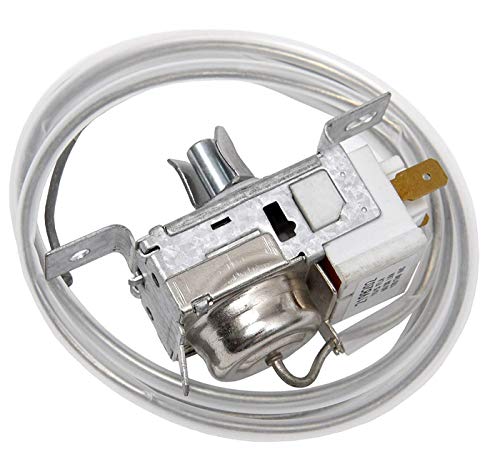
MODEL NUMBER: 2198202 Refrigerator Cold Control Thermostat

PRODUCT OVERVIEW: OEM REPLACEMENT PRECISION: Replacement Whirlpool W10383615 refrigerator thermistor designed to monitor internal temperature and regulate cooling and defrost cycles. Meets or exceeds OEM specifications for fit, accuracy, and performance. Replaces part numbers W10383615, WPW10383615, AP6020566, PS11753997 to restore reliable temperature control.
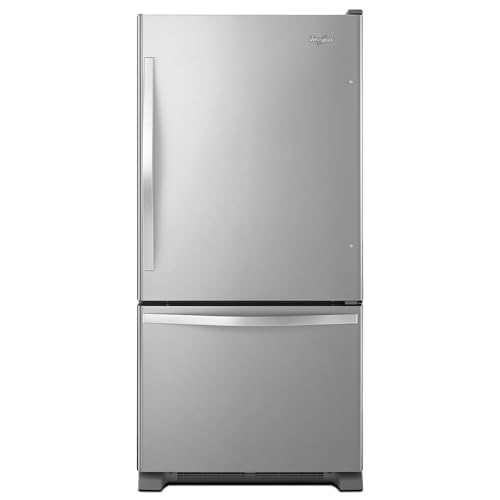
SpillGuard Glass Shelves for Easy Cleanup This refrigerator features SpillGuard glass shelves that help contain leaks and spills, so messes stay on the shelf and don’t drip down onto lower shelves. The transparent design also brightens the interior and makes it easier to find what you need quickly.
Whirlpool Cooling Off Message Triggers
Understanding the triggers for the Whirlpool cooling off message is essential for maintaining your appliance’s performance. This section delves into the common causes that can activate this alert, helping you identify and address potential issues before they escalate. By recognizing these triggers, you can ensure your appliance operates smoothly and efficiently over time.
Several factors can lead to the cooling off message. Understanding these can help in diagnosing the issue effectively.
Blocked Vents: Dust and debris can obstruct airflow.
Faulty Thermostat: An inaccurate thermostat can misread temperatures.
Compressor Issues: A malfunctioning compressor may fail to cool properly.
Electrical Problems: Wiring issues can disrupt power supply.
| Cause | Description | Difficulty Level (1-5) |
|---|---|---|
| Blocked Vents | Obstruction of airflow due to dirt | 2 |
| Faulty Thermostat | Incorrect temperature readings | 3 |
| Compressor Issues | Failure to cool due to malfunction | 4 |
| Electrical Problems | Wiring disruptions affecting power | 5 |
Whirlpool Cooling Off Message Troubleshooting Steps
When your Whirlpool appliance displays a cooling off message, it can be frustrating and concerning. Understanding the potential causes and effective troubleshooting steps is essential for restoring functionality and ensuring the longevity of your appliance. This section provides practical solutions to help you address the issue and maintain optimal performance.
To address the cooling off message, follow these steps to diagnose and resolve the problem.
Inspect Vents: Clear any obstructions from the vents.
Check Thermostat Settings: Verify that the thermostat is set correctly.
Examine Compressor: Listen for unusual sounds from the compressor.
Inspect Wiring: Look for frayed or damaged wires.
Whirlpool Appliance Maintenance Best Practices
Maintaining your Whirlpool appliances is essential for ensuring their longevity and optimal performance. By following best practices for care and upkeep, you can prevent common issues and extend the life of your appliances. This section outlines key maintenance tips tailored specifically for Whirlpool products, helping you keep them running smoothly for years to come.
Regular maintenance can significantly extend the lifespan of Whirlpool appliances. Implement these practices to avoid future issues.
Clean the Coils: Dust accumulation can hinder cooling efficiency.
Check Seal Integrity: Ensure door seals are airtight to prevent temperature fluctuations.
Monitor Temperature Settings: Keep the thermostat at recommended levels to avoid strain.
Schedule Professional Inspections: Regular check-ups can catch issues early.
Whirlpool Cooling Off Message Indicators
Understanding the indicators of the Whirlpool cooling off message is essential for maintaining your appliance’s longevity. These messages can signal various issues, and recognizing them early can prevent further complications. This section will delve into the specific indicators to watch for, ensuring your Whirlpool appliance operates efficiently for years to come.
Being aware of warning signs can help you act before issues escalate. Look for these indicators:
Unusual Noises: Grinding or clicking sounds may indicate mechanical failure.
Inconsistent Cooling: Fluctuating temperatures can signal a malfunction.
Excessive Frost Buildup: This may indicate a problem with the defrost system.
Frequent Cycling: If the unit frequently turns on and off, it may be struggling.
| Warning Sign | Potential Issue | Recommended Action |
|---|---|---|
| Unusual Noises | Mechanical failure | Inspect components |
| Inconsistent Cooling | Malfunction | Check thermostat |
| Excessive Frost | Defrost system issue | Schedule service |
| Frequent Cycling | Strain on system | Monitor usage |
Whirlpool Overheating Prevention Tips
To ensure your Whirlpool appliance operates efficiently and lasts longer, it’s crucial to address potential overheating issues. This section provides practical tips for preventing overheating, helping you maintain optimal performance while extending the lifespan of your appliance. Implementing these strategies can save you time and money on repairs and replacements.
Preventing overheating is crucial for maintaining appliance efficiency. Consider these tips:
Avoid Overloading: Do not overcrowd the appliance as it can restrict airflow.
Keep Away from Heat Sources: Position your appliance away from ovens or direct sunlight.
Regularly Defrost: If applicable, defrost the unit to maintain optimal performance.
Use Energy-Saving Settings: Utilize eco-friendly modes to reduce strain.
Whirlpool Cooling Off Message Consequences
Understanding the consequences of the Whirlpool cooling off message is crucial for maintaining the longevity of your appliance. This message can indicate various issues that, if not addressed promptly, may lead to more significant problems. By recognizing these consequences, you can take proactive steps to ensure your Whirlpool appliance operates efficiently for years to come.
Ignoring the cooling off message can lead to irreversible damage. Address issues promptly to maintain appliance functionality.

Hey, I’m Jake. I focus on cooling systems at Appliance Mastery, like fridges, freezers, and air conditioners.
I’ve worked in appliance repair for more than ten years and I’m certified through NASTeC. I’ve seen just about every fridge issue you can imagine.
My goal is to help you fix problems without stress. Whether it’s a freezer that won’t cool or an AC that keeps beeping, I’m here to walk you through it.