
If your Whirlpool dishwasher is not draining completely, the issue may stem from a clogged filter or a malfunctioning drain pump. Addressing these problems promptly can prevent further damage and ensure your dishwasher operates efficiently.
Whirlpool Dishwasher Drainage Symptoms to Recognize
Understanding the symptoms of drainage issues in your Whirlpool dishwasher is crucial for effective maintenance. Recognizing these signs early can help prevent further complications and ensure your appliance operates efficiently. This section outlines the key indicators that your dishwasher may not be draining completely, allowing you to address problems promptly.
Understanding the common symptoms of drainage issues can save time during troubleshooting. A Whirlpool dishwasher may show signs such as standing water at the bottom, unusual noises, or error codes. Identifying these symptoms early can help pinpoint the problem.
| Symptom | Primary Suspect | Difficulty (1-5) |
|---|---|---|
| Standing water | Clogged filter | 2 |
| Noisy operation | Faulty drain pump | 3 |
| Error code | Electrical issue | 4 |
Whirlpool Dishwasher Maintenance Tools Needed
To effectively address drainage issues in your Whirlpool dishwasher, having the right maintenance tools is essential. This section outlines the specific tools you’ll need to troubleshoot and resolve common problems, ensuring your appliance operates efficiently. With these tools at your disposal, you can tackle maintenance tasks with confidence and keep your dishwasher in optimal condition.
Before starting any maintenance, gather the necessary tools and supplies. This preparation ensures a smoother process and minimizes interruptions.
Screwdriver set for removing panels
Towels for spills
Bucket to catch water
Vinegar and baking soda for cleaning
Recommended Products
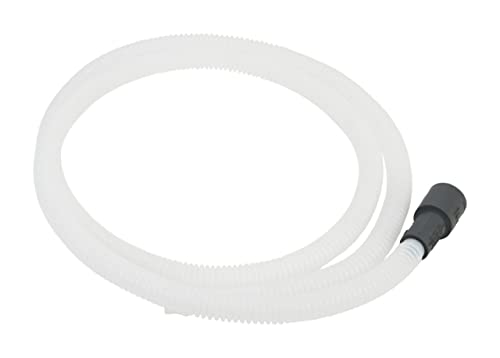
GENUINE OEM: Whirlpool Genuine OEM Accessories are designed specifically for your appliance, meet tested engineering standards, and are crafted to ensure the quality of your appliance, unlike non-OEM parts

This product is a Factory Certified Part. These three words represent quality parts and accessories designed specifically for your appliance. Time tested engineering that meets our strict quality specifications
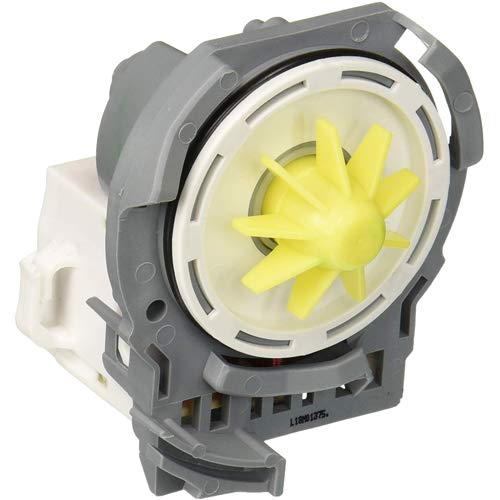
▶ This is a brand new ClimaTek Dishwasher Drain Pump
Whirlpool Dishwasher Safety Precautions
When addressing drainage issues with your Whirlpool dishwasher, it’s essential to prioritize safety. Understanding the necessary precautions can help prevent accidents and ensure a smooth maintenance process. This section outlines key safety measures to follow while troubleshooting and repairing your appliance, allowing you to work confidently and effectively.
Safety is paramount when working on appliances. Always disconnect the dishwasher from the power supply before performing any maintenance.
Use gloves to protect your hands from sharp edges or cleaning chemicals. Ensure the area is dry to prevent any electrical hazards.
Whirlpool Dishwasher Drainage Repair Steps
If your Whirlpool dishwasher isn’t draining completely, it can lead to unpleasant odors and inefficient cleaning. Understanding the common issues and following the right repair steps can help restore its functionality. This section outlines practical solutions to effectively address drainage problems in your appliance.
Follow these steps to address the drainage issue effectively. Start by inspecting the filter and drain pump.
Remove the bottom rack to access the filter.
Unscrew the filter and rinse it under hot water to remove debris.
Inspect the drain pump for blockages. Remove any visible obstructions.
Reconnect the filter and bottom rack.
Run a short cycle to check if the issue is resolved.
Whirlpool Dishwasher Drain Pump Issues
If your Whirlpool dishwasher isn’t draining completely, the drain pump may be the culprit. Understanding common issues related to the drain pump can help you identify the problem and restore your dishwasher’s efficiency. This section delves into the specific challenges associated with the drain pump and offers practical solutions to ensure proper drainage.
If the dishwasher still does not drain, the problem may lie with the drain pump. This component is essential for expelling water from the appliance.
Listen for unusual sounds during operation. A humming noise may indicate a jammed pump.
Check the wiring to ensure connections are secure.
If necessary, replace the drain pump if it is defective.
Whirlpool Dishwasher Air Gap and Drain Hose Cleaning
A common issue with Whirlpool dishwashers not draining completely can often be traced back to the air gap and drain hose. Proper maintenance of these components is crucial for ensuring efficient drainage and preventing clogs. Understanding how to clean and maintain them can significantly enhance your dishwasher’s performance.
A blocked air gap or drain hose can also cause drainage issues. Cleaning these components is straightforward and often resolves the problem.
Locate the air gap on the sink or countertop.
Remove the cover and clean any debris inside.
Inspect the drain hose for kinks or blockages.
Clear any obstructions to ensure smooth water flow.
Recommended Products

CLEAN HOME PRODUCT prevents wastewater from backing up into your dishwasher, eliminating the risk of contaminating your clean dishes – OVERALL HEIGHT with plastic body: 9 in. – CAP HEIGHT: 2 1/2 in. – CAP DIAMETER: 1 7/8 in. – Pre-Drilled Hole Size Requirement: 1 1/2 in.
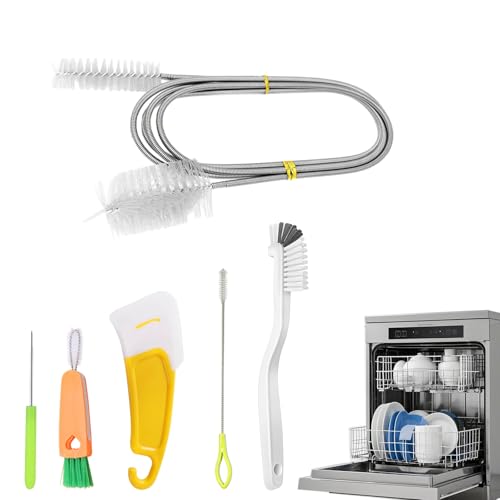
Deep Clean Every Corner Tackle hidden grime with our 6-piece brush kit! Includes a pick, silicone scraper, straw cleaner brush, gap cleaning brush, angle cleaning brush, and flexible tubes brush. Perfect for cleaning inlet/outlet pipes, water jets, and internal crevices. Removes food residue, limescale, and unclogs nozzles effortlessly.

PRODUCT prevents wastewater from backing up into your dishwasher, eliminating the risk of contaminating your clean dishes – OVERALL HEIGHT with plastic body: 9 in. – CAP HEIGHT: 2 1/2 in. – CAP DIAMETER: 1 7/8 in. – Pre-Drilled Hole Size Requirement: 1 1/2 in.
Whirlpool Dishwasher Maintenance for Drainage Issues
Proper maintenance is essential for ensuring your Whirlpool dishwasher drains effectively. Understanding common drainage issues can help you identify problems early and maintain optimal performance. This section provides practical tips and insights to keep your dishwasher running smoothly and prevent frustrating clogs and backups.
Regular maintenance can prevent future drainage issues. Implementing a cleaning routine will extend the life of your dishwasher.
Monthly filter cleaning is crucial.
Run a cleaning cycle with vinegar every few months.
Inspect hoses for wear and tear regularly.
Whirlpool Dishwasher Final Maintenance Check
After addressing common issues with your Whirlpool dishwasher, it’s crucial to perform a final maintenance check to ensure optimal performance. This step will help identify any lingering problems that could affect drainage and overall efficiency. By following these guidelines, you can extend the life of your appliance and enjoy cleaner dishes with every cycle.
After performing the necessary maintenance, conduct a final check. Ensure all components are securely replaced and the dishwasher is reconnected to power.
Run a full cycle to test the drainage.
Monitor for any signs of leaks or unusual noises.
If problems persist, consider consulting a professional technician for further diagnosis.

Hey, I’m Jake. I focus on cooling systems at Appliance Mastery, like fridges, freezers, and air conditioners.
I’ve worked in appliance repair for more than ten years and I’m certified through NASTeC. I’ve seen just about every fridge issue you can imagine.
My goal is to help you fix problems without stress. Whether it’s a freezer that won’t cool or an AC that keeps beeping, I’m here to walk you through it.