
A Whirlpool ice maker not dropping ice often indicates issues with the water supply or internal components. Common fixes include checking the water line for blockages and inspecting the ice maker assembly for faults.
Whirlpool Ice Maker Malfunction Symptoms
Recognizing the symptoms of your Whirlpool ice maker not dropping ice is crucial for effective troubleshooting. Common signs include ice buildup in the bin, a lack of ice production, or unusual noises during operation. Understanding these symptoms helps narrow down potential causes and solutions.
| Symptom | Primary Suspect | Difficulty (1-5) |
|---|---|---|
| No ice production | Clogged water line | 3 |
| Ice stuck in bin | Faulty ice maker assembly | 4 |
| Unusual noises | Worn motor | 2 |
Whirlpool Ice Maker Water Supply Inspection
When troubleshooting a Whirlpool ice maker that isn’t dropping ice, inspecting the water supply is a crucial first step. A blocked or malfunctioning water line can prevent ice production, leading to frustration. Understanding how to identify and resolve these issues will help ensure your ice maker operates efficiently.
The water supply line is essential for ice production. If it is clogged or kinked, your ice maker will not function properly. Start by inspecting the line for any visible blockages or bends.
Shut off the water supply to the ice maker.
Disconnect the water line from the back of the refrigerator.
Inspect the line for ice or debris.
Flush the line with water to clear any blockages.
Reconnect the line and turn the water supply back on.
Recommended Products

【Potable Drinking Water Use】:Our ice maker hose is BPA-free,the inner tube made by food grade PEX materials, non-toxic ingredients,odorless and tasteless.Ensure your family enjoy crystal clear ice cubes and pure water.
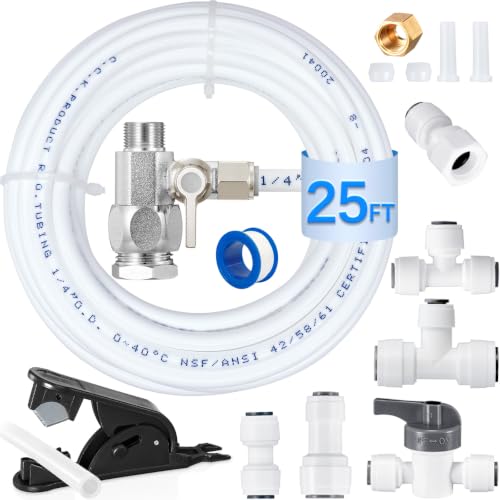
【Widely Compatibility】:Our water line kit is suitable for most standard under sink filtration system or reverse osmosis systems (1/4"or 3/8" Outlet), and most brand and models refrigerator,ice maker,water dispenser.
Whirlpool Ice Maker Assembly Inspection Steps
When troubleshooting a Whirlpool ice maker that isn’t dropping ice, a thorough inspection of the assembly is essential. This section outlines clear and actionable steps to help you identify potential issues within the ice maker assembly, ensuring you can efficiently diagnose and resolve the problem. Follow these guidelines to restore your ice maker’s functionality.
If the water supply line is clear, the next step is to examine the ice maker assembly. A malfunctioning assembly can prevent ice from dropping into the bin.
Unplug the refrigerator to ensure safety.
Remove the ice maker cover by unscrewing it.
Check the motor for signs of wear or damage.
Test the ejector arm to ensure it moves freely.
Replace any faulty components as needed.
Whirlpool Ice Maker Thermostat Adjustments
If your Whirlpool ice maker isn’t dropping ice, adjusting the thermostat may be a crucial step in troubleshooting the issue. Understanding how to properly modify the thermostat settings can help restore optimal ice production and ensure your appliance operates efficiently. This section will guide you through the necessary adjustments to get your ice maker back on track.
The thermostat controls the temperature within the ice maker. If it is set too high, the ice may not freeze properly, leading to issues with ice dropping.
Locate the thermostat on the ice maker.
Adjust the setting to a colder temperature.
Monitor the ice production over the next few hours.
Recommended Products

Good performance: Have you encountered any of these problems? 1. Poor ice-making performance 2. Abnormal machine operation 3. Increased energy consumption 4. Inaccurate temperature display 5. Alarm system failure. This ice maker sensor will solve these problems for you

Part number: 627985.(Non-OEM).

Ice Maker Bin Temperature Sensor (replaces W10511923) WPW10511923 Compatible with Whirlpool 3021097 AP6022509 PS11755842
Whirlpool Ice Bin Positioning Issues
Proper positioning of the ice bin is crucial for the efficient operation of your Whirlpool ice maker. Misalignment can lead to ice not dropping as intended, causing frustration and potential malfunctions. Understanding how to correctly position the ice bin can help ensure a smooth ice-making process and prevent unnecessary issues.
The condition of the ice bin can also affect ice production. If the bin is full or improperly positioned, it may block the ice maker’s operation.
Remove the ice bin and check for obstructions.
Clean the bin to remove any ice buildup.
Reinsert the bin ensuring it sits correctly.
Whirlpool Ice Maker Electrical Connection Issues
Electrical connection issues can often be the root cause of a Whirlpool ice maker not dropping ice. Understanding how to troubleshoot these problems is essential for restoring functionality. This section will explore common electrical faults and provide practical solutions for beginners to address them effectively.
Electrical issues can disrupt the ice maker’s functionality. Inspecting the wiring and connections can reveal underlying problems.
Unplug the refrigerator before inspection.
Check the wiring harness for loose or damaged connections.
Test the ice maker with a multimeter to ensure it receives power.
Replace any damaged wires or connectors.
Whirlpool Ice Maker Repair Services Available
If your Whirlpool ice maker isn’t dropping ice, professional repair services can help diagnose and fix the issue efficiently. Skilled technicians are equipped to handle common problems, ensuring your ice maker returns to optimal performance. Understanding your repair options can save you time and frustration, allowing you to enjoy a steady supply of ice once again.
If troubleshooting does not resolve the issue, it may be time to consider professional repair. A certified technician can diagnose complex problems that require specialized tools and knowledge.
Contact a local appliance repair service.
Provide details about the symptoms observed.
Schedule an appointment for a thorough inspection.
Recommended Products

✅【IDEAL REPLACEMENT】: We offer Ice Maker Emitter Sensor Control Board,100% brand new and not easy to deform and damage. This 4389102 refrigerator control board kit was specifically designed, Well-tested by the manufacturer, meets OEM standards, Ensure lasting and effective performance. While this is NOT a genuine Whirl-pool part, this ice maker sensor control boards kit is a direct replacement and it will appear, fit and work like the factory part.

Complete Kit Components: 8201756 Refrigerator Ice Dispenser Door Kit includes 1 x ice door pin, 1 x spring, 1 x bracket, 1 x dashpot, 1 x bracket to replace the broken tabs, 1 x ice door bracket, and 1 x the ice door

【W10670845 WPW10670845 Ice Bucket for whirlpool Refrigerator】Upgraded refrigerator ice container w10670845 ice bin for whirlpool ice bucket replacement. Replaces Part Number is W10670845, WPW10670845, AP6023698, 2196091, 1115342, 1115372, 2152701, 2152702, 2182099, 2182100, 3451073, PS11757044. W10670845/WPW10670845 Whirlpool ice maker replacement parts fixes symptoms: A:Leaking ice bucket ; B: ice buckets are cracks; C: Ice not dispensing properly.
Whirlpool Ice Maker Maintenance Tips
Proper maintenance is essential for ensuring your Whirlpool ice maker operates efficiently and reliably. Regular upkeep not only prevents issues like ice not dropping but also extends the lifespan of the appliance. Here are some practical tips to help you keep your ice maker in top condition.
Regular maintenance can prevent future issues with your Whirlpool ice maker. Simple steps can ensure optimal performance and longevity.
Clean the ice maker every six months.
Inspect water lines for blockages regularly.
Check the ice bin for proper positioning.
Taking these steps can help you avoid costly repairs and ensure your ice maker functions smoothly.

Hey, I’m Jake. I focus on cooling systems at Appliance Mastery, like fridges, freezers, and air conditioners.
I’ve worked in appliance repair for more than ten years and I’m certified through NASTeC. I’ve seen just about every fridge issue you can imagine.
My goal is to help you fix problems without stress. Whether it’s a freezer that won’t cool or an AC that keeps beeping, I’m here to walk you through it.